
Last updated September 22, 2026
Level 1 sweep and inspection to the NFPA 211 annual standard - flue, crown, cap, and flashing checked and photographed
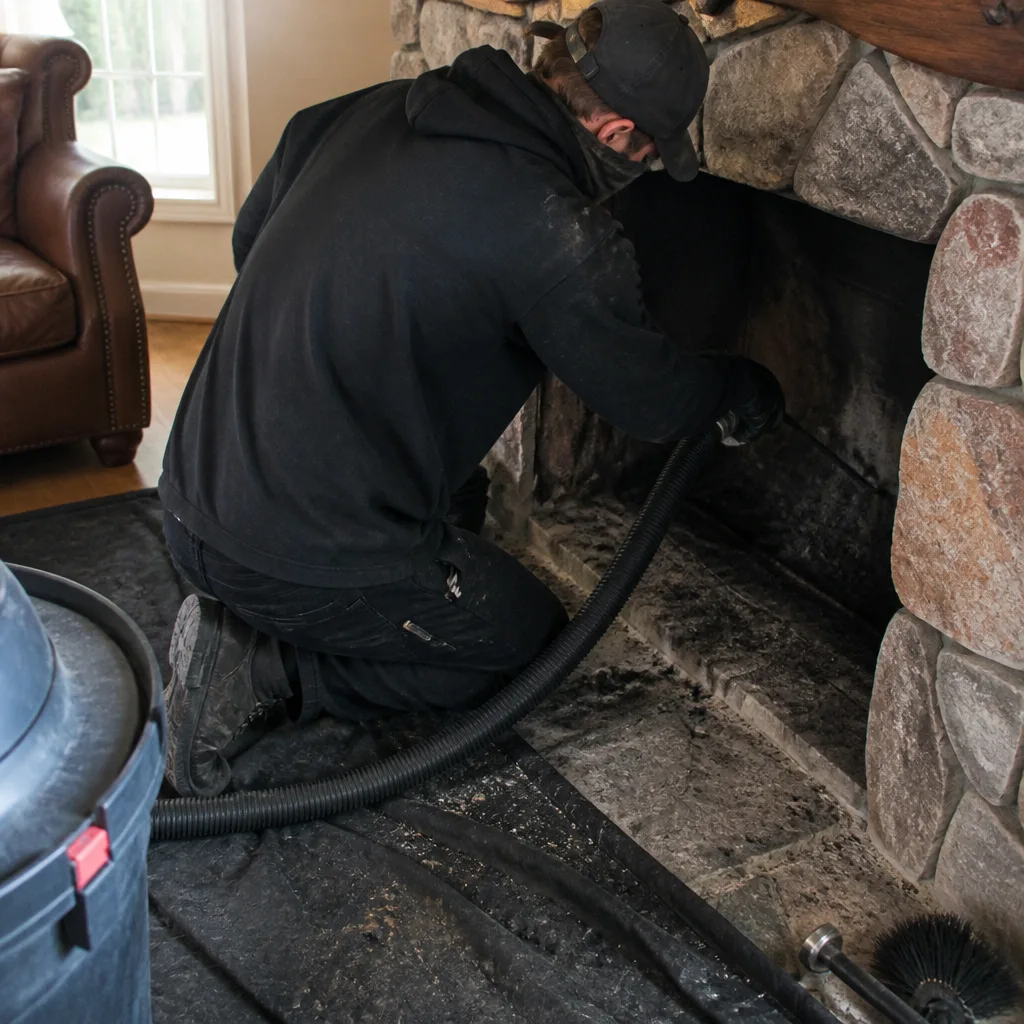
Chimney sweep logs do not sweep chimneys. They loosen some creosote - which then falls where a brush and vacuum still have to collect it.
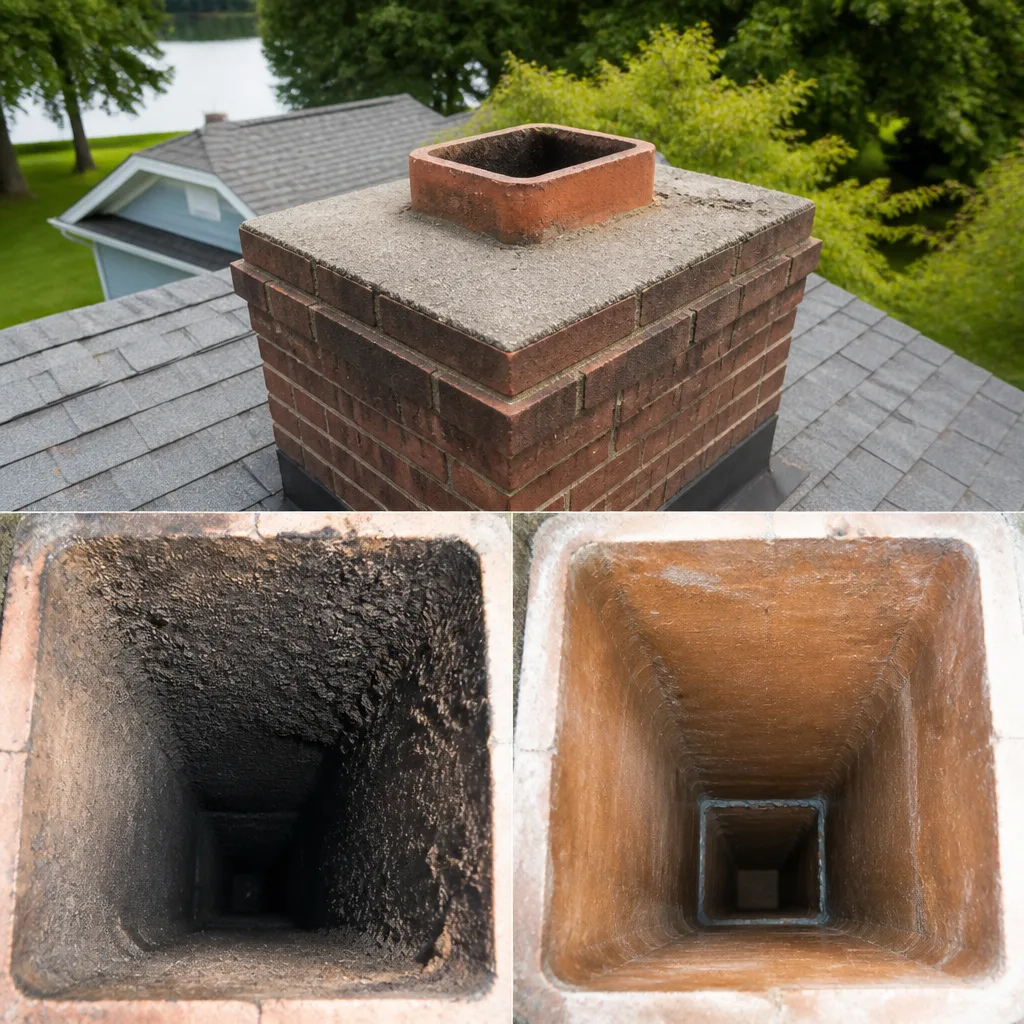
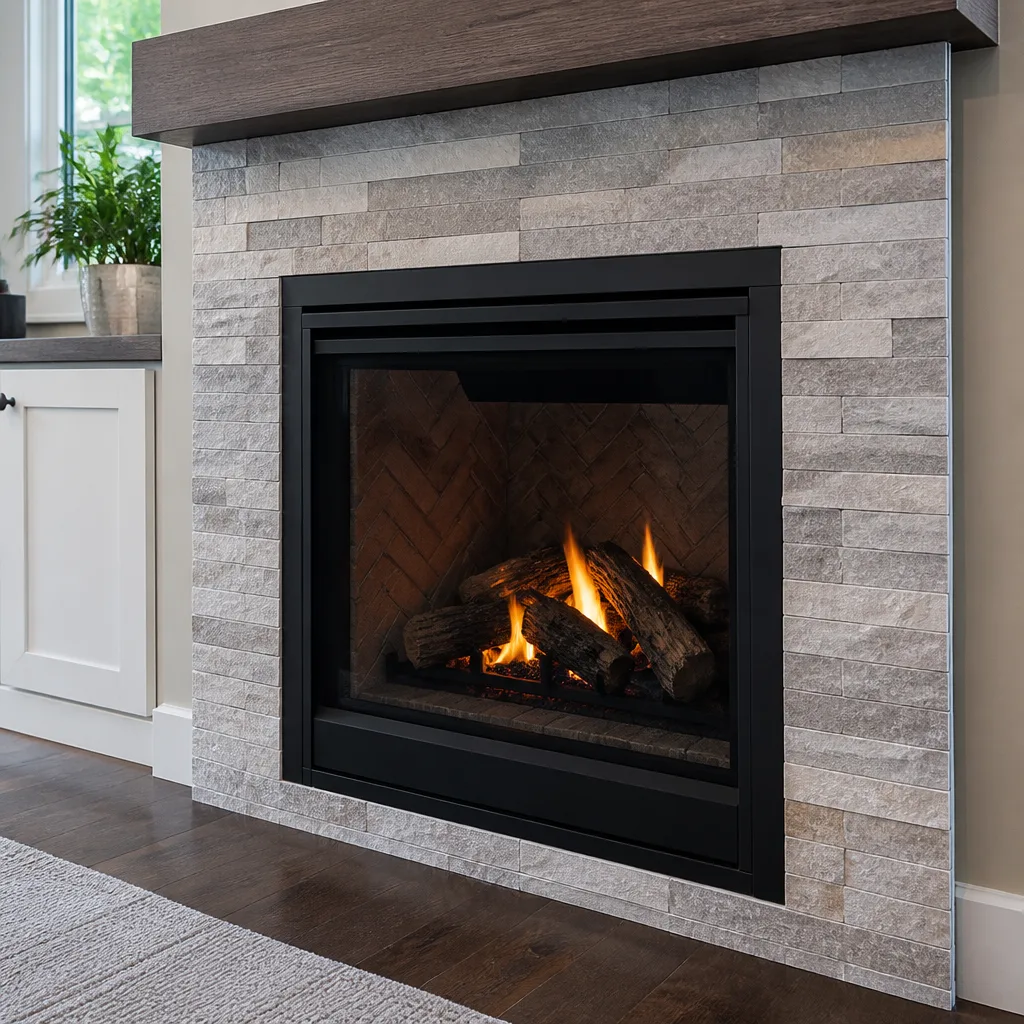
 Before
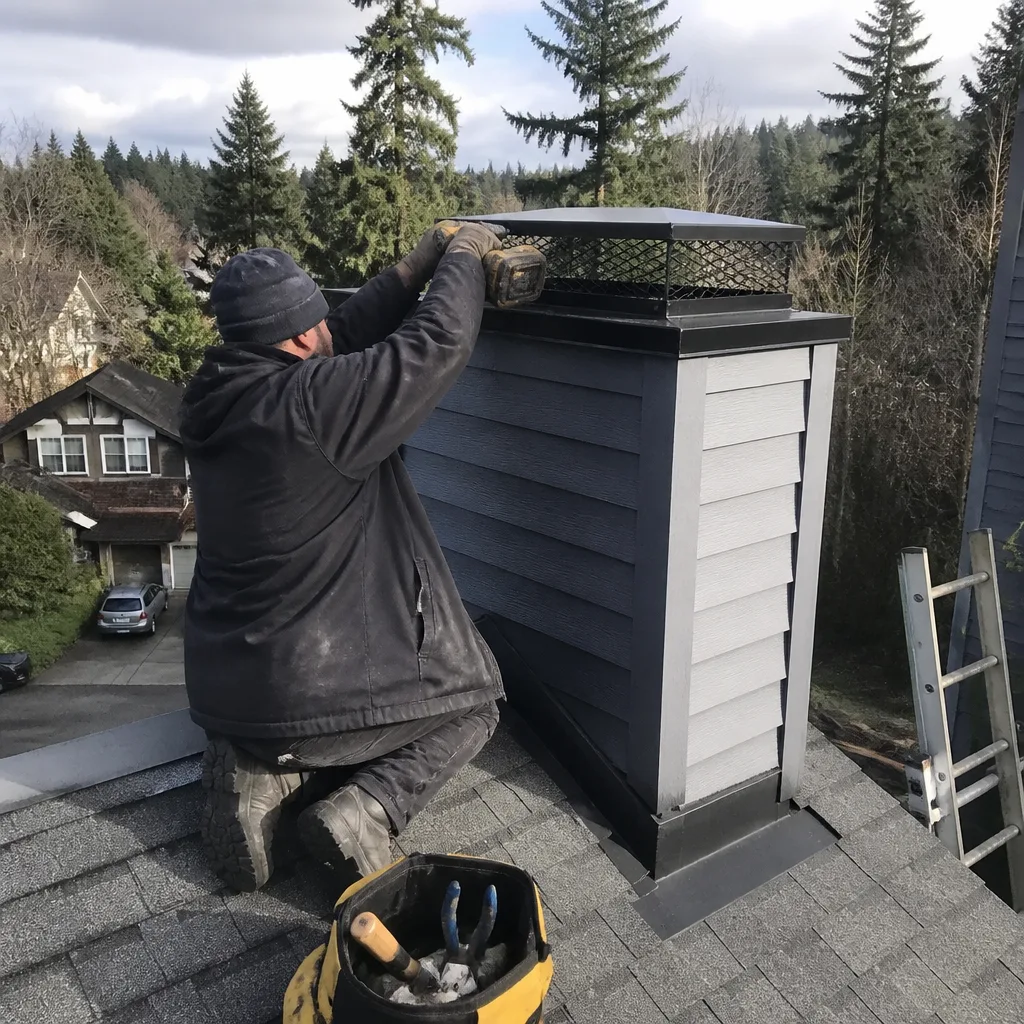 After
After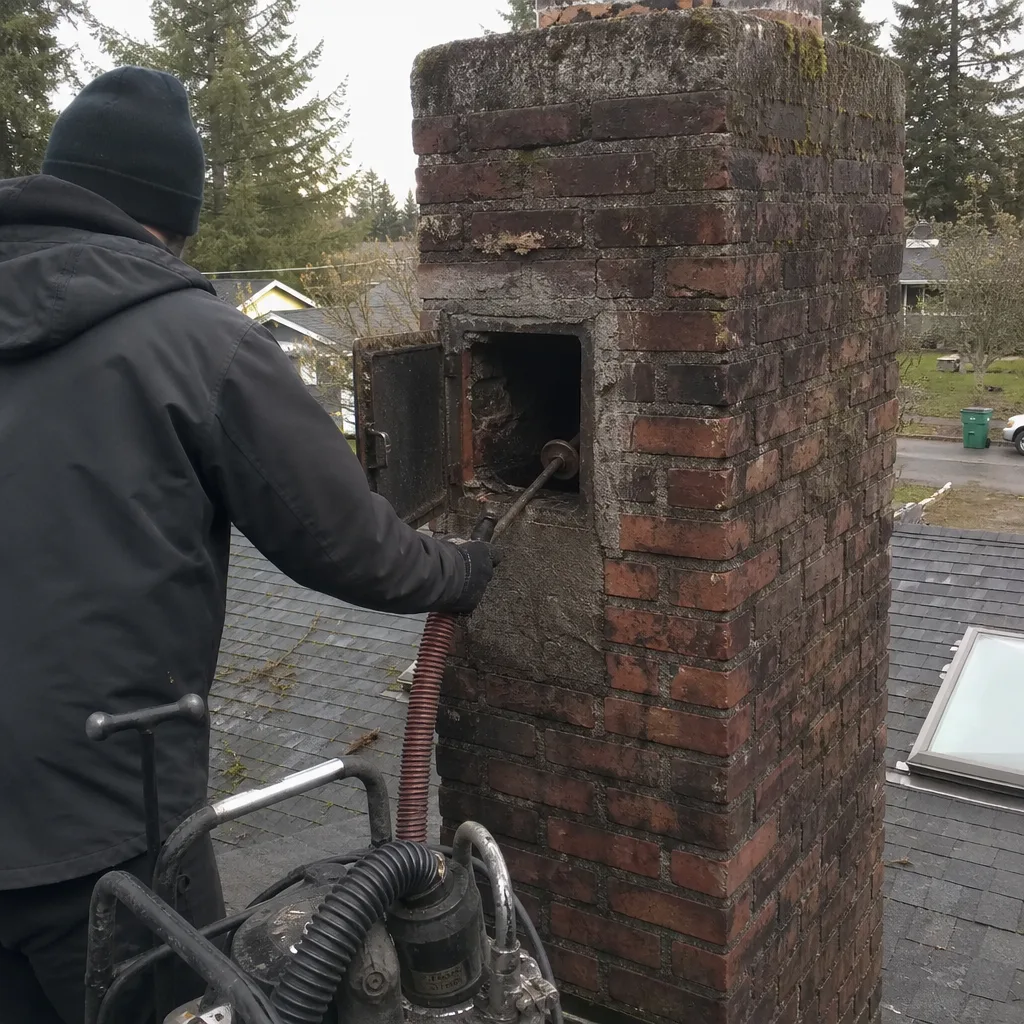 Before
 After
After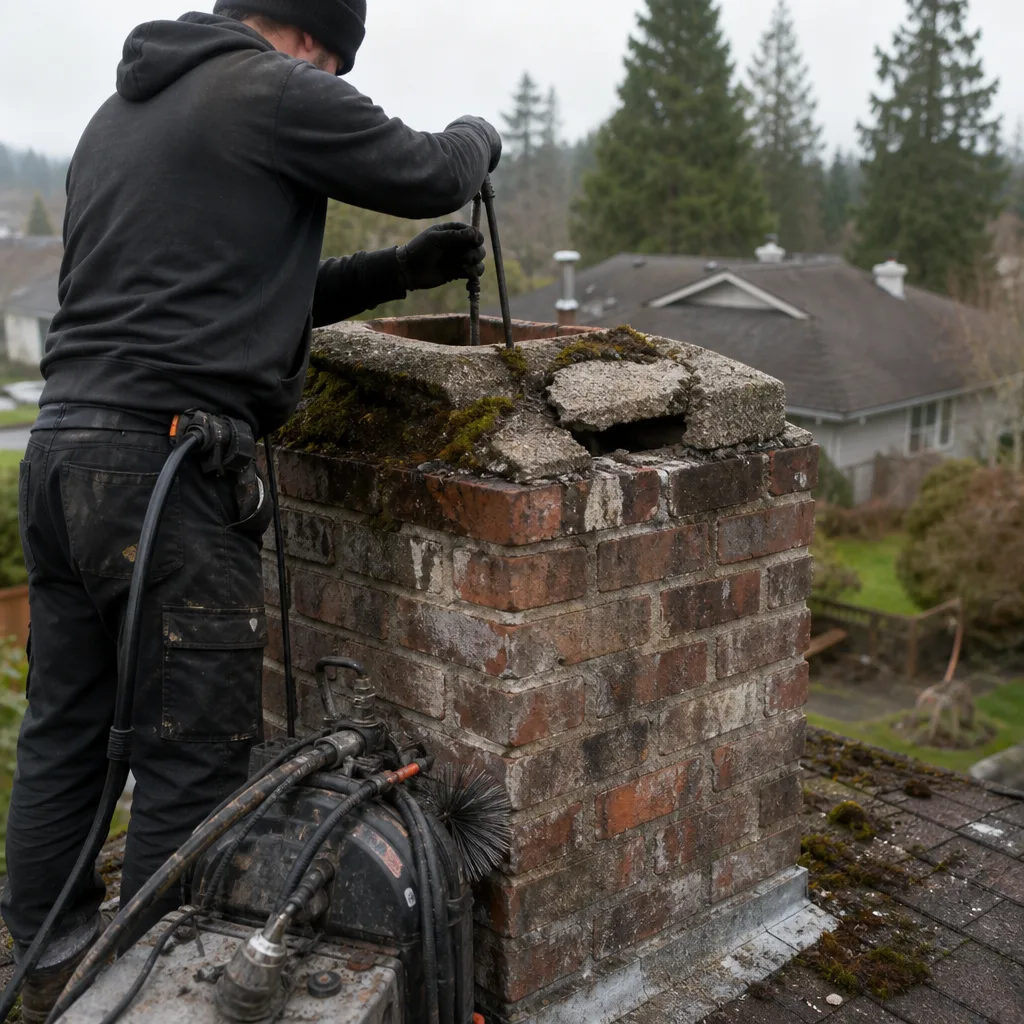 Before
 After
AfterChimney Cleaning & Sweep Maintenance Checklist for Puyallup Homeowners
A cracked flue tile can pass every visible-from-below check and still vent carbon monoxide into a wall cavity. The only reliable detection method is a camera scan, yet fewer than one in three Washington sweeps include one. In this guide, we’ll draw a sharp line between what you can safely observe from your firebox opening and what requires a professional with a camera in the flue, because that distinction is where most published checklists fail Puyallup homeowners. You’ll walk away with two complete checklists - one for your monthly walk-through, one for the annual sweep - plus the exact documentation format insurance adjusters and real estate underwriters accept.
Quick Answer
Puyallup homeowners should perform a 10-minute monthly visual check from the firebox opening and schedule our Chimney Cleaning & Sweep services with an annual NFPA 211 Level 2 sweep and camera inspection. Monthly checks catch obvious blockages, rust staining, and creosote buildup you can see; the annual professional visit finds cracked flue tiles, liner gaps, and hidden deterioration that only a camera scan reveals. Expect to pay $189-$349 for a complete sweep and inspection in the Puyallup market, with written documentation delivered before any work begins.
Table of Contents
- The Homeowner’s Monthly Checklist: What You Can See From Below
- Seven Firebox Warning Signs That Mean a Camera Scan Is Overdue
- The Annual Professional Sweep: NFPA 211 Level 2 Scope
- Puyallup-Specific Hazards: Moss, Humidity, and Rust Patterns
- Pass/Fail Criteria: Stop Using vs. Schedule Soon
- How to Log Inspections for Insurance and Real Estate
- Common Mistakes to Avoid
- When to Call a Professional
- Frequently Asked Questions
 Before
 After
AfterThe Homeowner’s Monthly Checklist: What You Can See From Below
Every checklist should start with what you can actually do. Standing at your firebox opening with a flashlight, you can observe meaningful conditions without climbing, disassembling, or touching anything that carries risk. These checks take under ten minutes and should happen monthly during burning season, or before first use if you burn occasionally.
- Draw the damper fully open. It should move smoothly and seat completely. A damper that sticks, chatters, or leaves a visible gap when “closed” is failing. In Puyallup’s wet winters, we see damper corrosion from humidity cycling more often than mechanical wear.
- Shine a flashlight up the flue. You’re looking for obstructions - bird nests, leaf debris, or fallen brick - and for creosote accumulation. A thin layer of soot is normal. Glazed, shiny black buildup (Class III creosote) or anything thicker than 1/8 inch means stop using the fireplace and schedule a sweep.
- Inspect the firebox walls and floor. Cracks wider than a nickel, missing mortar, or heaved firebrick are stop-use conditions. Spalling (flaking or popping of the brick surface) from moisture freeze-thaw is common in South Hill and Meridian homes with older masonry.
- Check the smoke chamber above the damper. This is the sloped area that funnels smoke into the flue. You can see its general condition from below. Exposed corbelling brick, significant soot buildup, or gaps where the chamber meets the flue liner all require professional evaluation.
- Look for rust staining on firebox walls or the damper frame. Rust means water is entering from above - a failed crown, missing cap, or deteriorated flue liner. In Puyallup’s climate, rust staining often appears before homeowners notice any leak inside the house.
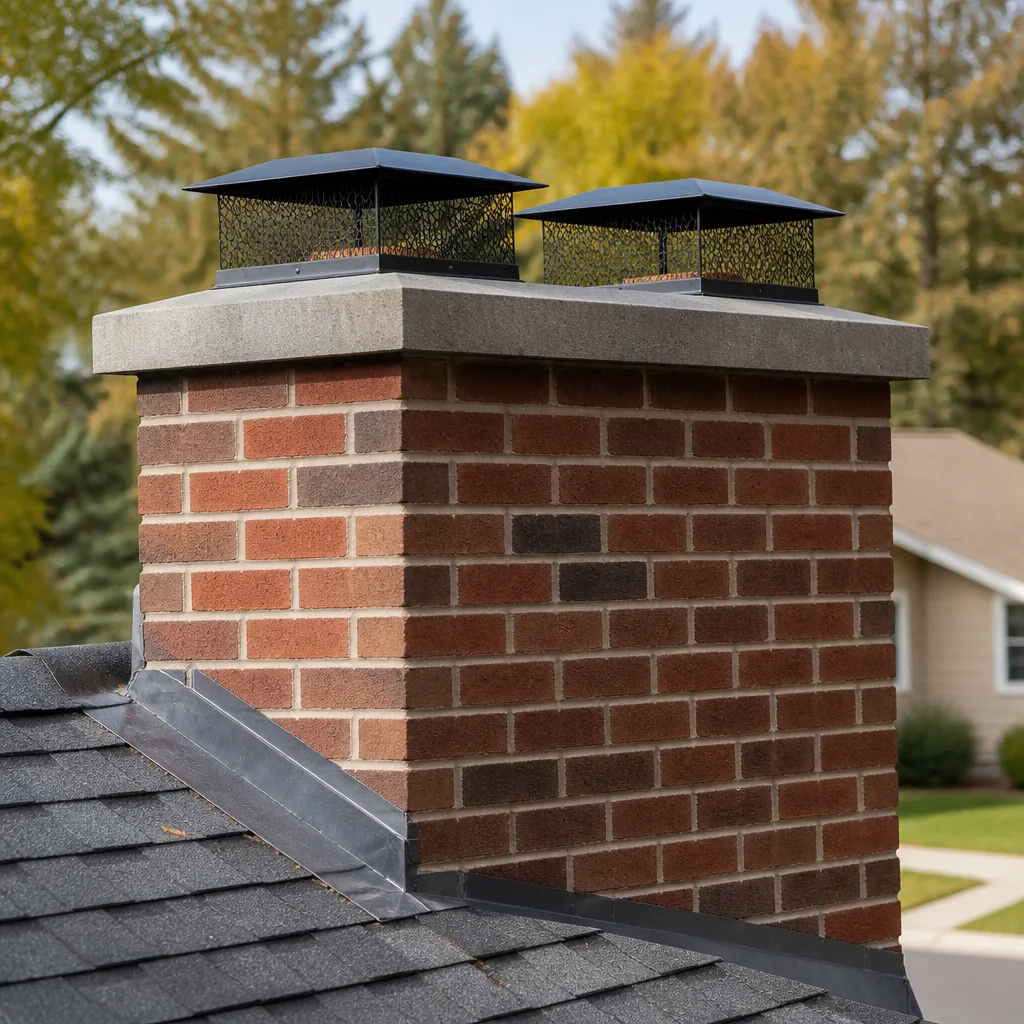
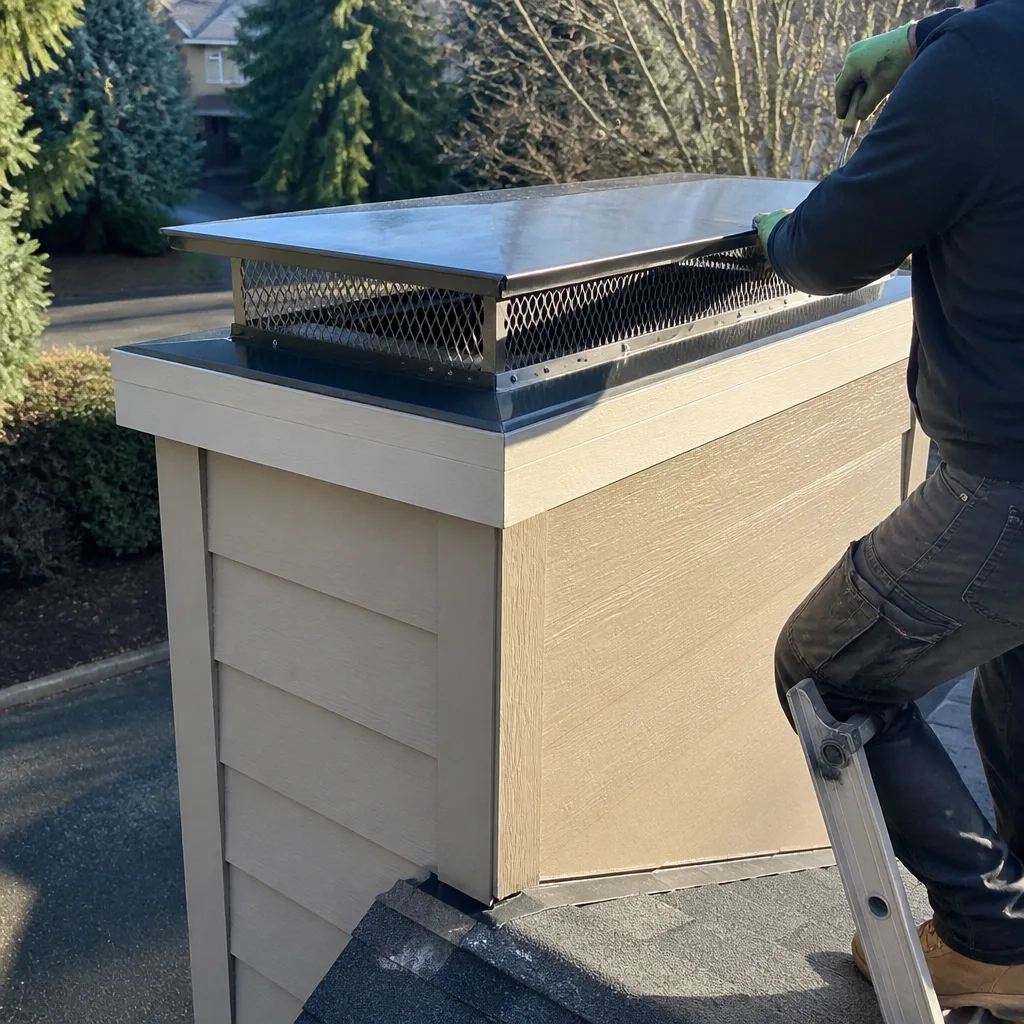
- Verify the chimney cap is present and aligned. From the ground or a safe window vantage, confirm the cap sits squarely and shows no visible damage. A missing or tilted cap in Puyallup invites water, moss, and the Douglas squirrels common to the Puyallup River valley.
- Sniff for unusual odors. A strong, acrid smell when the fireplace is not in use suggests creosote buildup, animal intrusion, or downdraft issues. Musty smells indicate water intrusion.
- Check surrounding walls and ceiling. Water stains, peeling paint, or efflorescence (white mineral deposits) on the chimney breast mean moisture is migrating through the masonry - a failed crown, deteriorated mortar joints, or liner breach.
Record the date and your observations. This log becomes evidence if you ever need to document maintenance for an insurance claim or home sale. We’ll cover the exact format below.
Seven Firebox Warning Signs That Mean a Camera Scan Is Overdue
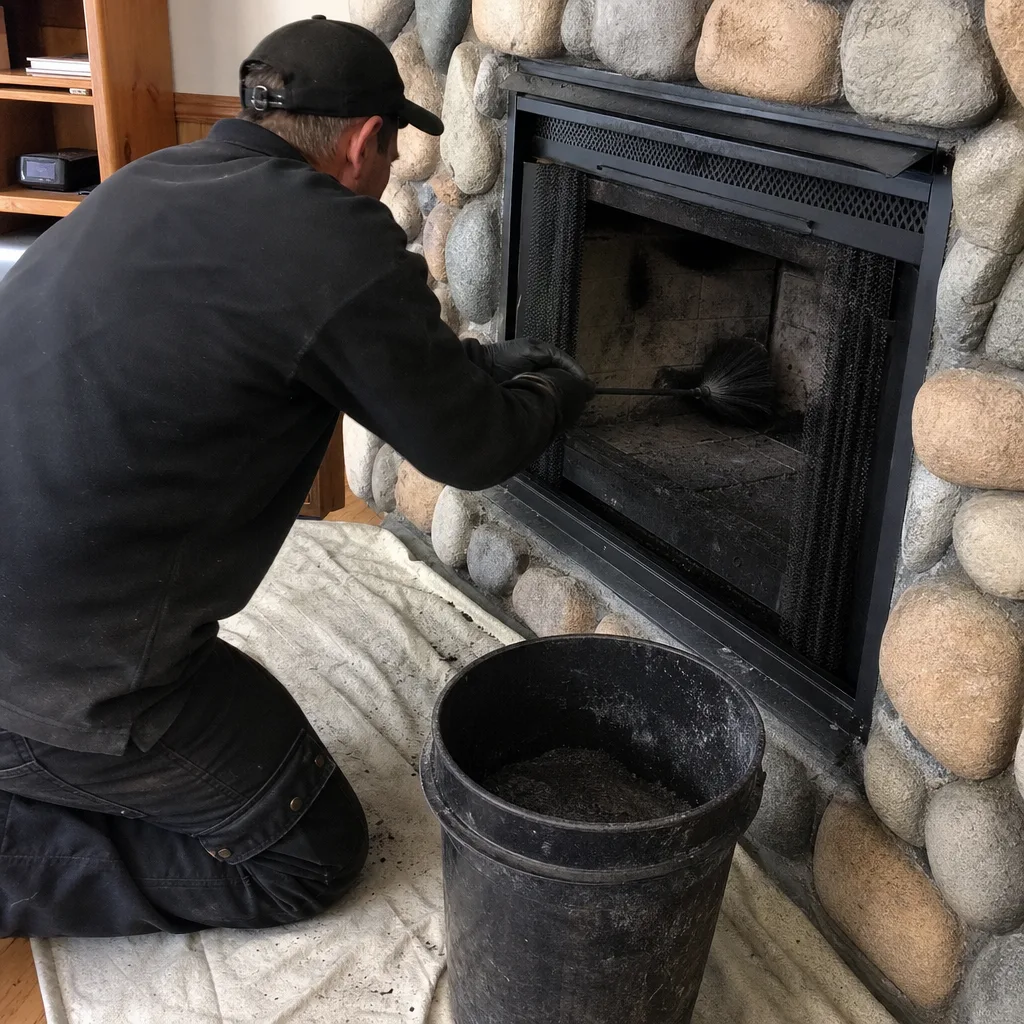
These are not “keep an eye on it” conditions. Each one indicates hidden damage that a flashlight from below cannot assess. If you observe any of these, stop using the fireplace and schedule an NFPA 211 Level 2 inspection with camera documentation. For a deeper look at what to watch for, see our Chimney Cleaning Warning Signs: A Puyallup Homeowner’s Reference Guide.
- Shiny, tar-like creosote (Class III). This glazed deposit is highly combustible and cannot be removed with standard brushing. It forms when wood burns incompletely, common with Puyallup’s frequent burn bans and restricted-air operation. A camera scan confirms whether it extends the full flue length.
- White or gray residue on flue tiles. This is efflorescence from water vapor passing through cracked tiles or liner gaps. The moisture is carrying dissolved salts from the masonry. What you see is the symptom; the camera finds the crack.
- Discolored or deformed flue tiles. Any tile that looks brown, orange, or has a curved, melted appearance has been overheated. This indicates a prior chimney fire, often one the homeowner didn’t notice. Overheating degrades the tile’s integrity even if it hasn’t cracked through.
- Gaps between flue tiles. Flue liners should present continuous, aligned joints. Visible gaps mean tiles have shifted, settled, or been damaged by thermal expansion. Combustion gases escape through these gaps into the chimney structure.
- Mortar debris on the smoke shelf. The smoke shelf is the flat area behind the damper. Falling mortar means deterioration above - spalling brick, eroded joints, or liner failure. The debris you see is a fraction of what’s loose higher up.
- Daylight visible through the chimney wall. Any pinhole of light means a breach in the flue liner or outer masonry. This is an immediate stop-use condition. Carbon monoxide and combustion gases can enter wall cavities or living spaces.
- Smoke spillage into the room during use. If smoke enters the room despite an open damper and proper fuel, the cause may be a blocked flue, improper chimney sizing, or a damaged liner creating turbulence. A camera scan distinguishes between these and determines whether repair or cleaning is the right response.
In our experience across more than 38,000 inspections, the most dangerous condition is a homeowner who performed monthly checks faithfully, saw nothing alarming, and never knew a cracked flue tile was venting gases into the attic. The camera scan is not an upsell. It’s the difference between a checklist that protects you and one that gives you false confidence.
The Annual Professional Sweep: NFPA 211 Level 2 Scope
The annual visit is not a “cleaning” in the sense most homeowners imagine. It’s a documented evaluation of the entire chimney system, with cleaning performed as needed based on what the inspection finds. For full details, see The Complete Guide to Chimney Cleaning in Puyallup. Here’s what a proper NFPA 211 Level 2 sweep includes, and what you should demand in writing before anyone starts work.
Pre-work documentation (Haven Standard Clause 1). Before any technician touches your chimney, you receive a written price, written scope of work, and written warranty. This is not a verbal estimate or a range - it’s a fixed figure with line items. At Level Two Chimney Puyallup, we’ve delivered written prices before work starts on every job since 2009, with no exceptions.
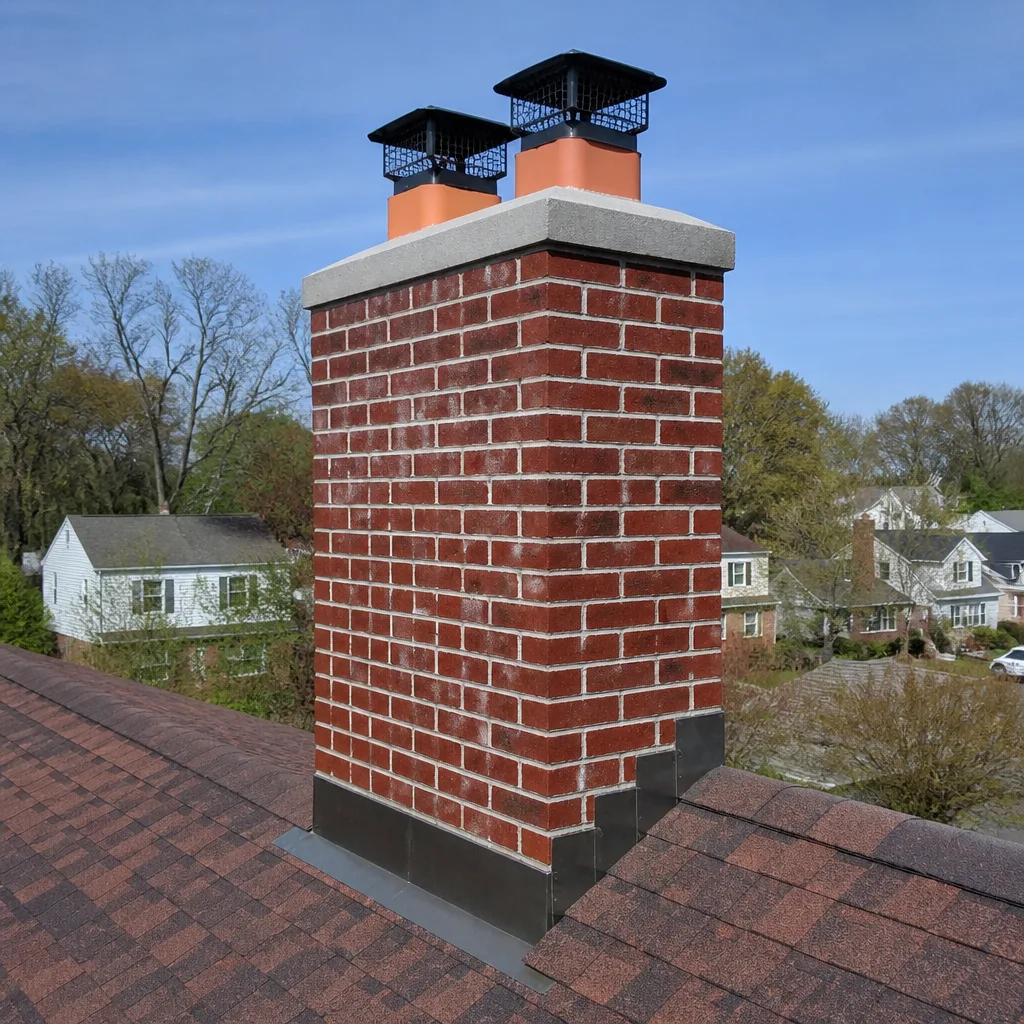
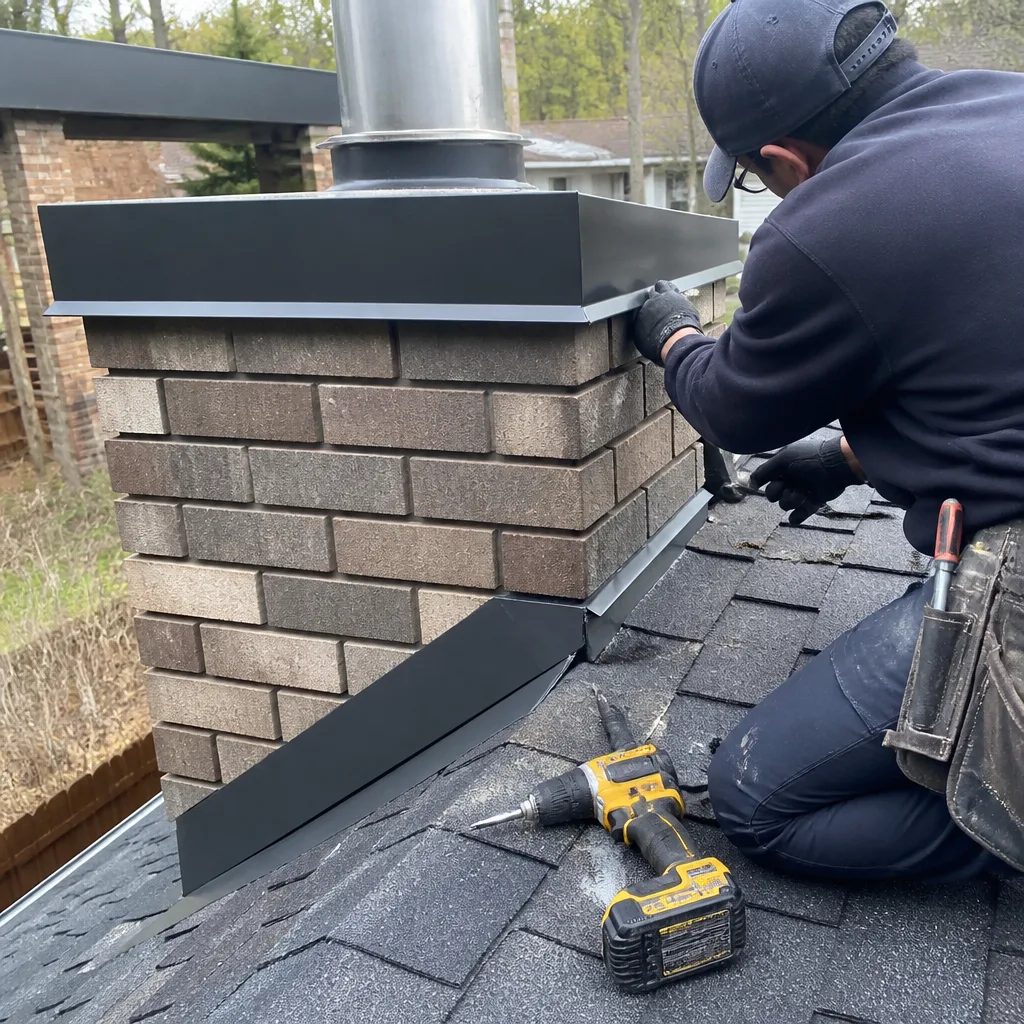
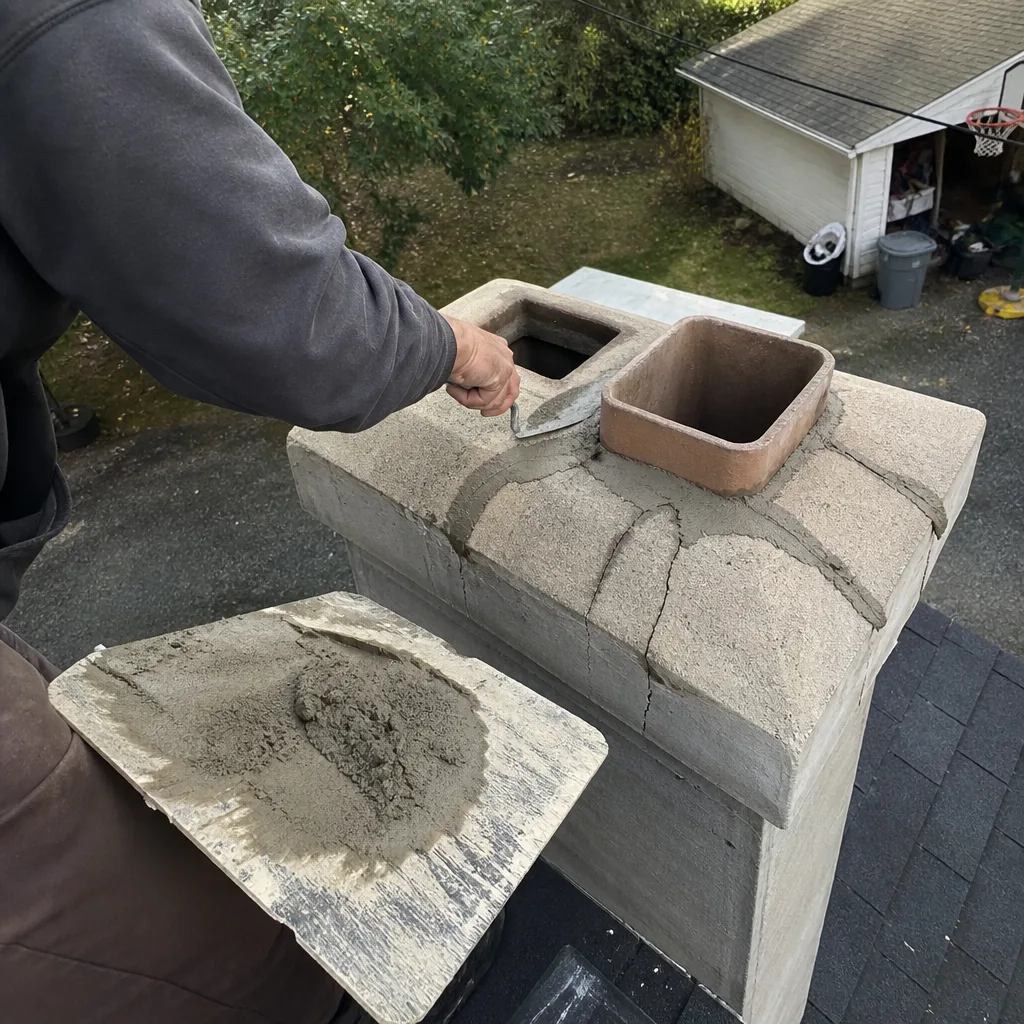
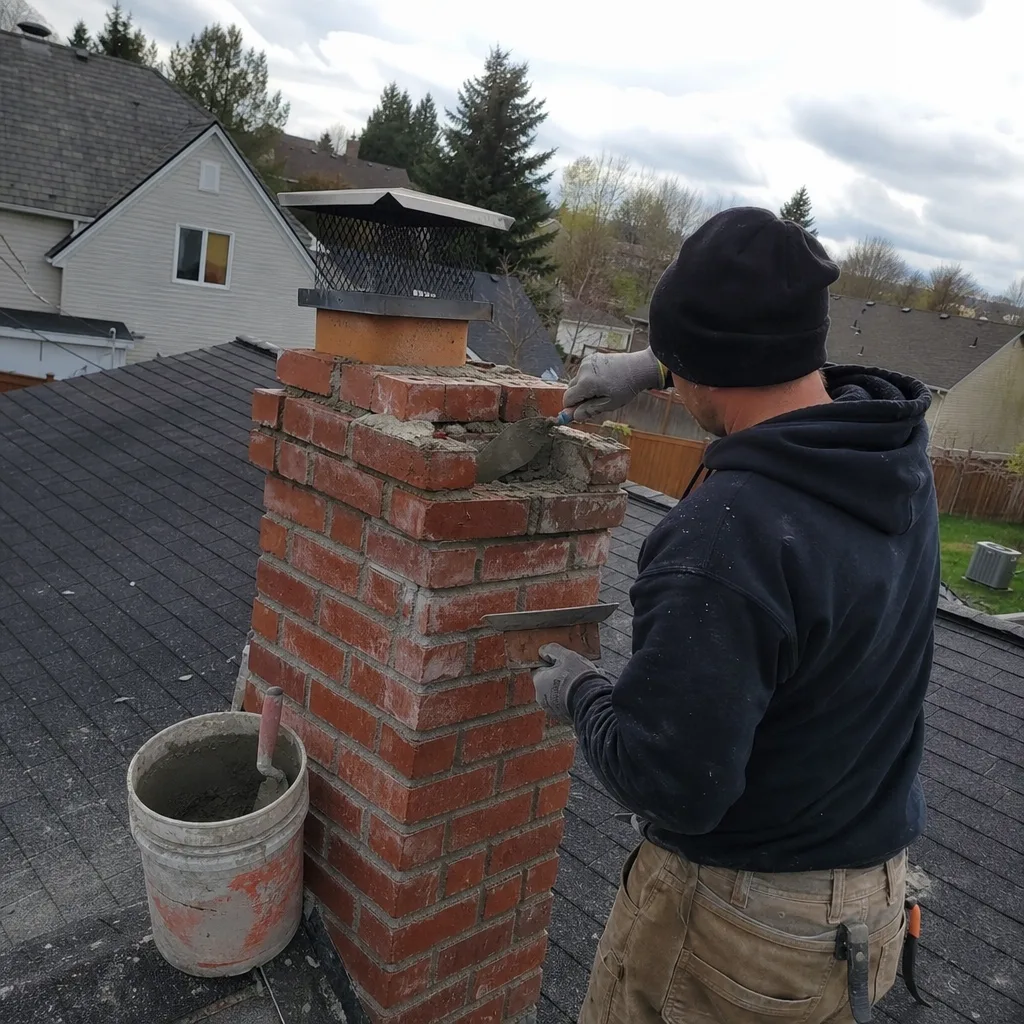
Exterior evaluation. The technician examines the crown, cap, flashing, and visible masonry from roof level or a properly secured ladder. In Puyallup, this includes specific attention to moss and lichen growth on the crown, which retains moisture and accelerates freeze-thaw damage.
Interior camera scan (Haven Standard Clause 4). A high-resolution camera travels the full flue length, recording every flue tile, liner joint, and connection point. The technician narrates findings in real time. You receive the photo record, not a summary. This practice became Clause 4 of the Haven Standard because we started it in 2009, years before insurers or regulators required documentation.
Smoke chamber and firebox inspection. The technician evaluates the smoke chamber for proper parging (smooth surfacing), exposed corbelling, and gaps. The firebox is checked for cracked or spalled brick, deteriorated mortar, and proper clearances to combustibles.
Appliance connection and clearances. For wood stoves, inserts, or gas log sets, the technician verifies proper connection to the flue liner, adequate combustion air supply, and manufacturer-required clearances to walls and mantels.
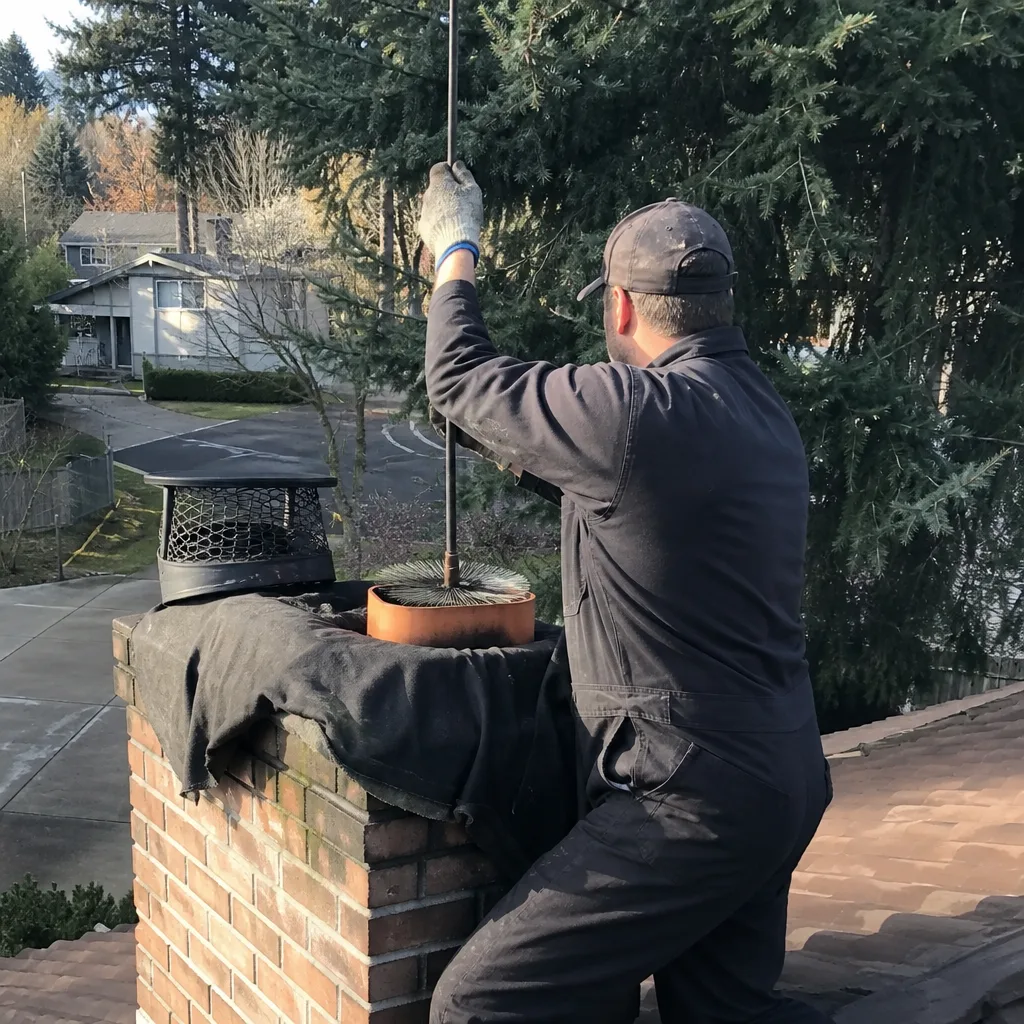
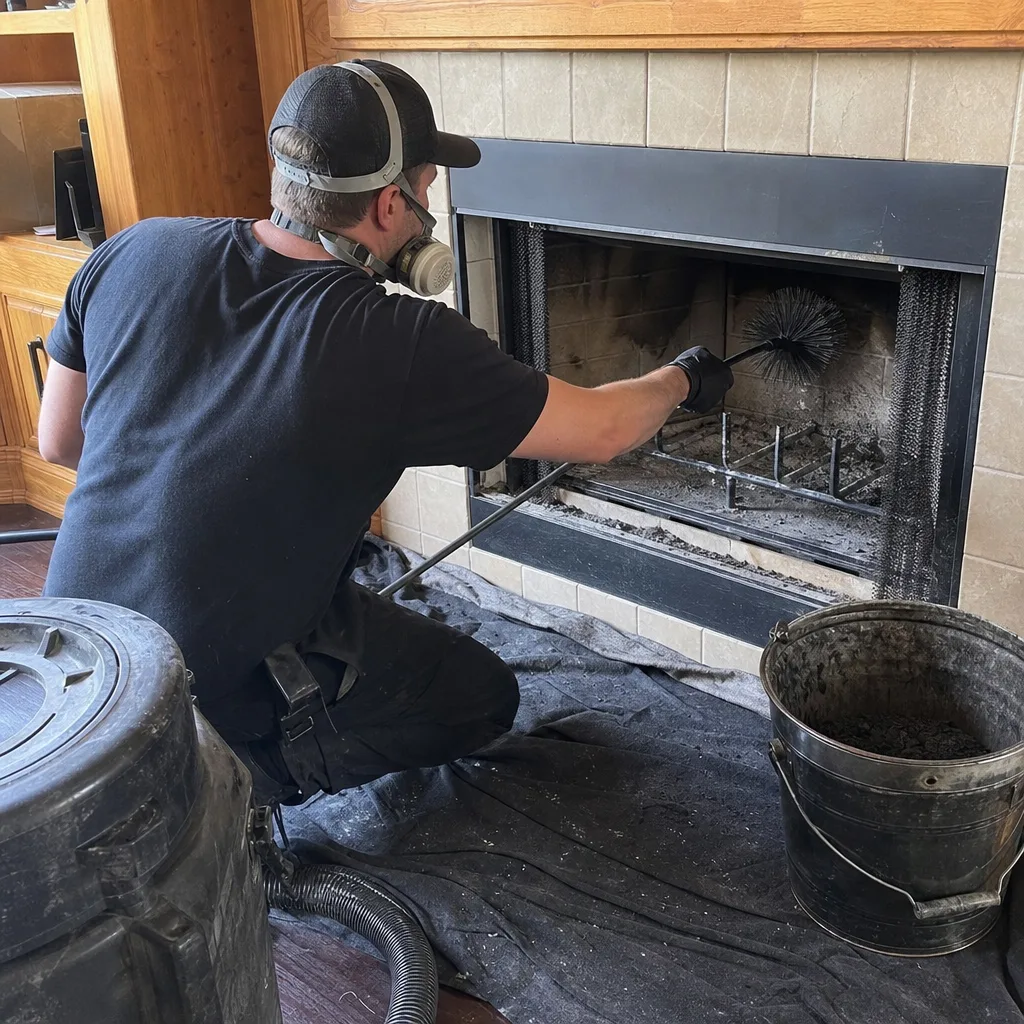
Cleaning as indicated. Sweeping is performed with brushes sized to the flue, with debris contained by vacuum. Class III creosote requires chemical treatment or rotary cleaning, which should be noted in the written scope with additional cost if applicable.
Post-work documentation. You receive the photo record, a written condition report, and the completed scope with technician notes. This is your evidence of maintenance for insurance, warranty, or real estate purposes.
Pricing in the Puyallup market for this complete service typically runs:
- Standard sweep and Level 2 inspection: $189-$249
- Heavy creosote removal (Class III, rotary method): $279-$349
- Smoke chamber parging or minor firebox repair: quoted in writing after inspection
- Flue liner evaluation with full camera documentation: included in standard service
The Chimney Cleaning & Sweep in Puyallup page has additional detail on what each tier includes.
Puyallup-Specific Hazards: Moss, Humidity, and Rust Patterns
Puyallup’s location in the Puyallup River valley, with 40+ inches of annual rainfall and persistent marine humidity, creates chimney conditions that inland Washington homeowners rarely face. Our annual moisture exposure is comparable to Seattle’s, but with more freeze-thaw cycling due to colder winter nights and clearer days.
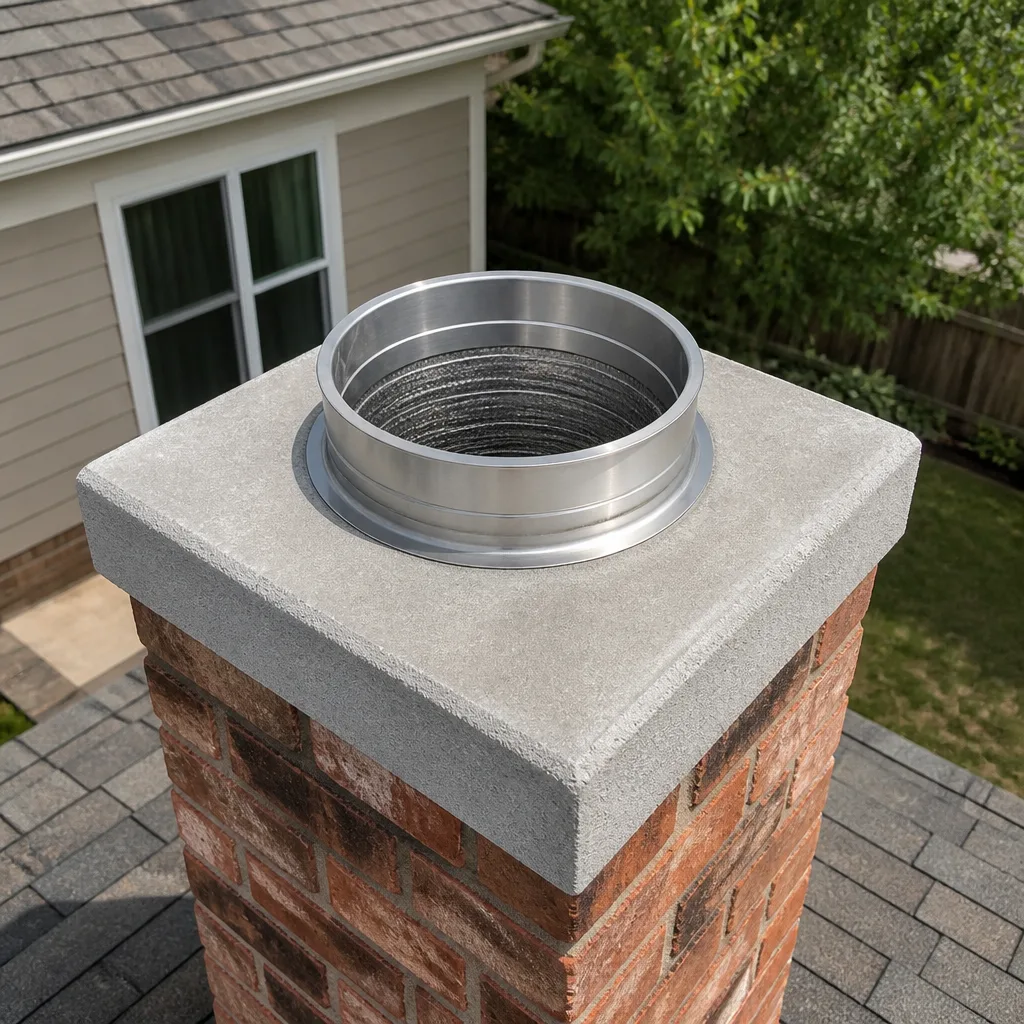
Moss and organic growth on the crown. The concrete crown is your chimney’s umbrella. In Puyallup, moss establishes within 2-3 years on unsealed concrete, especially on north-facing exposures common in neighborhoods like Edgewood and North Puyallup. Moss roots penetrate micro-cracks, water freezes in the openings, and the crown deteriorates from the top down. A mossy crown is not cosmetic - it’s a leak in progress. Annual inspection catches this before water reaches the flue liner.
Cap corrosion from salt-laden humidity. Marine air carries chloride ions that accelerate corrosion of galvanized and even stainless steel caps. We see significant corrosion on caps older than seven years in Puyallup, particularly in homes west of Meridian near the river valley. Stainless steel from quality manufacturers like Famco resists this longer, but no cap is maintenance-free in this climate.
Rust staining as early damper warning. Before a damper fails to seal or operate, rust appears on the firebox walls below it. The pattern matters: streaking from the damper frame itself indicates damper corrosion; staining on side walls suggests water entering through the flue liner. In Puyallup’s humidity, we’ve replaced dampers in homes as young as twelve years old that showed no operational problems yet - the rust was the only warning.
Spalling from freeze-thaw in South Hill and Meridian. These neighborhoods have older housing stock with original clay flue liners and softer brick. Water enters through deteriorated mortar joints, freezes overnight, and pops brick faces off. The damage accelerates once started. Camera scans in these areas routinely find spalling that hasn’t yet produced interior leaks.
Downdraft from valley wind patterns. Puyallup’s topography creates localized downdraft conditions, especially in homes below the South Hill bluff or in the valley floor. Smoke spillage, poor draft, and accelerated creosote buildup can all result. A proper evaluation includes draft testing under actual conditions, not just visual inspection.
Pass/Fail Criteria: Stop Using vs. Schedule Soon
Not every finding demands immediate fireplace shutdown. But the difference between “schedule in the next two weeks” and “do not light another fire” is not a judgment call you should make without criteria. Here’s how we classify findings at Chimney Repair in Puyallup:
Stop Using the Fireplace Immediately
- Any visible gap or hole in the flue liner
- Daylight through chimney walls
- Smoke entering the room during normal operation
- Class III creosote accumulation (glazed, shiny, tar-like)
- Firebox cracks wider than a nickel or missing firebrick
- Evidence of prior chimney fire (discolored, deformed, or cracked tiles)
- Animal intrusion with nesting material present
- Carbon monoxide detector activation near the fireplace
Schedule Within Two Weeks
- Rust staining on firebox walls or damper frame
- Spalling brick or eroded mortar joints (exterior, no active leak)
- Damper that sticks or fails to seat fully
- Missing or damaged chimney cap
- Minor crown cracks without active water intrusion
- Soot accumulation approaching 1/8 inch thickness
Monitor and Address at Annual Sweep
- Thin soot layer, no glaze
- Minor mortar erosion in firebox, no loose material
- Crown in good condition, no visible cracking
- Cap present and secure, minor surface corrosion
- Damper operates smoothly, seals completely
The critical distinction: stop-use conditions involve breaches in the containment system (liner, firebox, chimney structure) that allow combustion gases, sparks, or heat to escape their designed path. Schedule-soon conditions are deterioration that will become hazardous but haven’t yet compromised containment. When in doubt, treat it as stop-use. A cold night with space heaters is preferable to a structure fire or CO poisoning.
How to Log Inspections for Insurance and Real Estate
Your maintenance log is only as useful as its credibility. An insurance adjuster evaluating a chimney fire claim, or a buyer’s inspector reviewing pre-sale documentation, needs specific information in a specific format. Here’s what to record, and how.
For homeowner monthly checks:
- Date and time of inspection
- Weather conditions (temperature, recent precipitation - relevant for moisture findings)
- Each checklist item with pass/fail notation
- Specific observations: “Rust staining 3 inches wide on left firebox wall below damper frame”
- Photographs with date stamps
- Your signature
For professional service visits:
- Company name, technician name, and license information
- Service date and scope in writing
- Photo record or camera scan documentation (Haven Standard Clause 4 requires this)
- Written condition report with findings
- Written price and warranty
- Recommended next service date
Store digital copies in cloud storage with automatic backup. Physical copies in a home maintenance file are useful for real estate transactions. The key is contemporaneous documentation - records created at the time of inspection, not reconstructed later.
For Puyallup homeowners in the 32-50 age bracket who bought between 2015 and 2025, this documentation also protects your investment. A well-documented maintenance history is a selling point; gaps or verbal-only records create liability that buyers’ inspectors will flag.
At Fireplace Services in Puyallup, we provide the complete documentation package on every visit, formatted for insurance and real estate use. It’s included in the service, not an add-on.
Common Mistakes to Avoid
- Confusing a “visual inspection” with a Level 2 evaluation. Many Puyallup sweeps advertise “inspection included” but deliver only a flashlight look from the firebox or roof. This misses cracked flue tiles, liner gaps, and internal deterioration. Demand camera documentation by name.
- Ignoring rust as cosmetic. Rust staining on firebox walls or the damper frame is never cosmetic in Puyallup’s climate. It’s evidence of water intrusion that will degrade the damper, damage the liner, and eventually reach interior finishes. Treat rust as an active leak signal.
- Using the wrong fuel or burning wet wood. Unseasoned wood (moisture content above 20%) produces Class III creosote rapidly. Puyallup’s frequent burn restrictions tempt homeowners to burn whatever is available. The result is glazed creosote that requires chemical treatment and significantly increases fire risk.
- Skipping the annual sweep because “it looks fine.” The conditions that cause chimney fires and CO intrusion - cracked liners, hidden creosote buildup, liner gaps - are not visible from below. Annual camera inspection finds what monthly checks cannot.
- Accepting verbal estimates or post-work billing. Without a written price before work starts, you have no recourse for scope creep or surprise charges. Haven Standard Clause 1 exists because we saw this problem repeatedly in the Puyallup market before 2009.
- Failing to document DIY maintenance. Your monthly checks matter for insurance and liability, but only if recorded. A dated photo log with observations carries weight; “I checked it regularly” does not.
- Delaying repair after a stop-use finding. The gap between “I should call someone” and “I’ll call after the holidays” is where chimney fires happen. When your checklist produces a stop-use result, the fireplace stays cold until a professional clears it.
When to Call a Professional
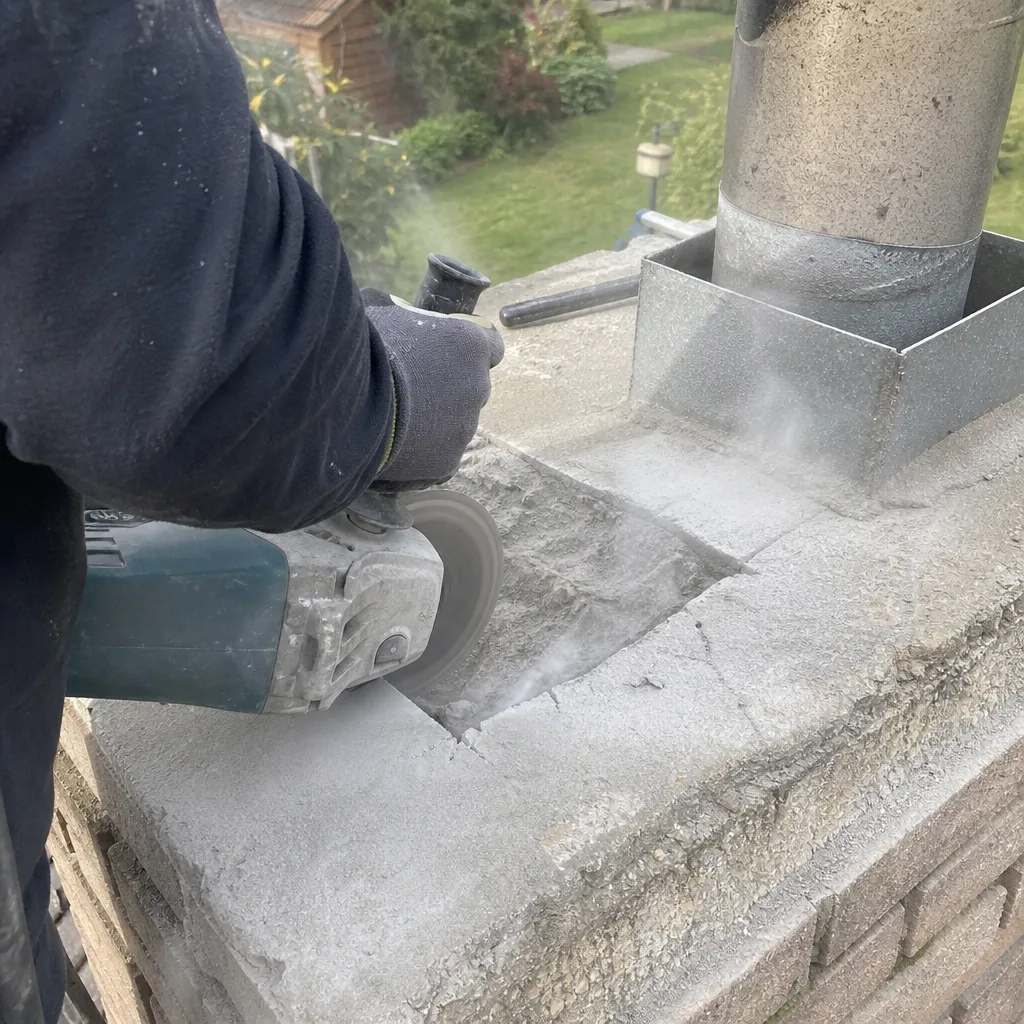
Call when any stop-use condition appears on your monthly checklist, when you observe smoke spillage or unusual odors, or when your annual sweep is due. If you’ve purchased a home with no chimney maintenance records, schedule a Level 2 inspection before first use - previous owners’ habits are unknown, and a camera scan establishes your baseline.
For Puyallup homeowners considering a new insert, stove, or liner, professional evaluation of the existing flue is required before installation. Sizing, clearance, and liner compatibility all depend on conditions only a camera scan reveals.
Level Two Chimney Puyallup offers free estimates in Puyallup - call (253) 323-5667. Every estimate includes a written price, written scope, and written warranty before any work begins. We also provide free second opinions on any competitor’s written estimate. Live phone support is available 24 hours a day, 7 days a week.
Frequently Asked Questions
A complete chimney sweep and NFPA 211 Level 2 inspection in Puyallup typically costs $189-$249, with heavy creosote removal running $279-$349. Every job includes a written price before work starts, a camera-scan photo record, and the 365-Day Done Right Promise. Call (253) 323-5667 for an exact quote - estimates are free.
You need a new liner when the existing one is cracked, gapped, improperly sized for your appliance, or missing entirely - conditions only a camera scan can confirm. We do not recommend liner replacement without photo evidence you can see for yourself. In some cases, a damaged section can be repaired with HeatShield or similar products; in others, full replacement with a stainless steel liner from Olympia Chimney or DuraFlex is the only safe option. We’ll show you the camera footage and explain which category you’re in.
The National Fire Protection Association recommends annual inspection for all chimney systems, with cleaning frequency based on use and fuel type. In Puyallup’s wet climate, annual inspection is especially important because moisture accelerates liner and masonry deterioration. Heavy wood burners (more than three cords per season) may need mid-season cleaning. Gas fireplaces require annual inspection of the burner, pilot, and venting system even though they produce minimal creosote.
Skipped maintenance leads to three predictable outcomes: creosote accumulation increases chimney fire risk; moisture intrusion degrades liners and masonry; and hidden damage (cracked tiles, liner gaps) allows carbon monoxide and combustion gases into living spaces. Chimney fires cause an estimated 25,000 structure fires annually in the U.S.; CO poisoning from failed or blocked chimneys causes hundreds of hospitalizations. The cost of annual maintenance is a fraction of the cost of fire damage, medical emergency, or emergency repair.
Homeowners can perform the monthly visual checks in this guide. Actual sweeping requires proper brushes, containment equipment, and roof access that carries fall risk. More importantly, cleaning without camera inspection means you’re removing visible soot while missing cracked liners, gaps, and internal damage. We do not recommend DIY sweeping for these reasons. The 365-Day Done Right Promise applies only to professional service.
A Level 1 inspection is a visual examination of readily accessible portions of the chimney, appropriate for annual maintenance when no changes have been made to the system. A Level 2 inspection includes a camera scan of the full flue interior, evaluation of the attic and crawl space where accessible, and inspection after any chimney fire, earthquake, or installation of a new appliance. In Puyallup, we perform Level 2 as our standard because the camera scan finds conditions no visual inspection can. Clause 4 of the Haven Standard requires this documentation on every job.
A functional cap prevents water entry, animal intrusion, and debris accumulation while allowing proper venting. From the ground, check that it’s present, properly sized, and not visibly damaged or corroded. In Puyallup, caps from quality manufacturers like Famco resist marine corrosion longer than bargain alternatives. If you see rust streaks on the chimney exterior, or if the cap is missing, damaged, or improperly installed, replacement is needed. We source caps through Haven’s buying network to keep prices honest.
The Bottom Line
A chimney maintenance checklist works only when it distinguishes what you can see from what requires professional equipment. Your monthly firebox checks catch obvious problems and build a documentation trail. The annual NFPA 211 Level 2 sweep with camera inspection finds the hidden conditions - cracked flue tiles, liner gaps, internal deterioration - that cause fires and CO intrusion. In Puyallup’s wet, freeze-thaw climate, that distinction matters more than in drier regions. For more guides & resources, explore our blog. Don’t let a checklist that stops at the firebox opening give you false confidence. Get the camera scan, get the photo record, and get it in writing.
Written by Corrine Halstead, Owner at Level Two Chimney Puyallup, serving Puyallup since 2009.