
Last updated September 22, 2026
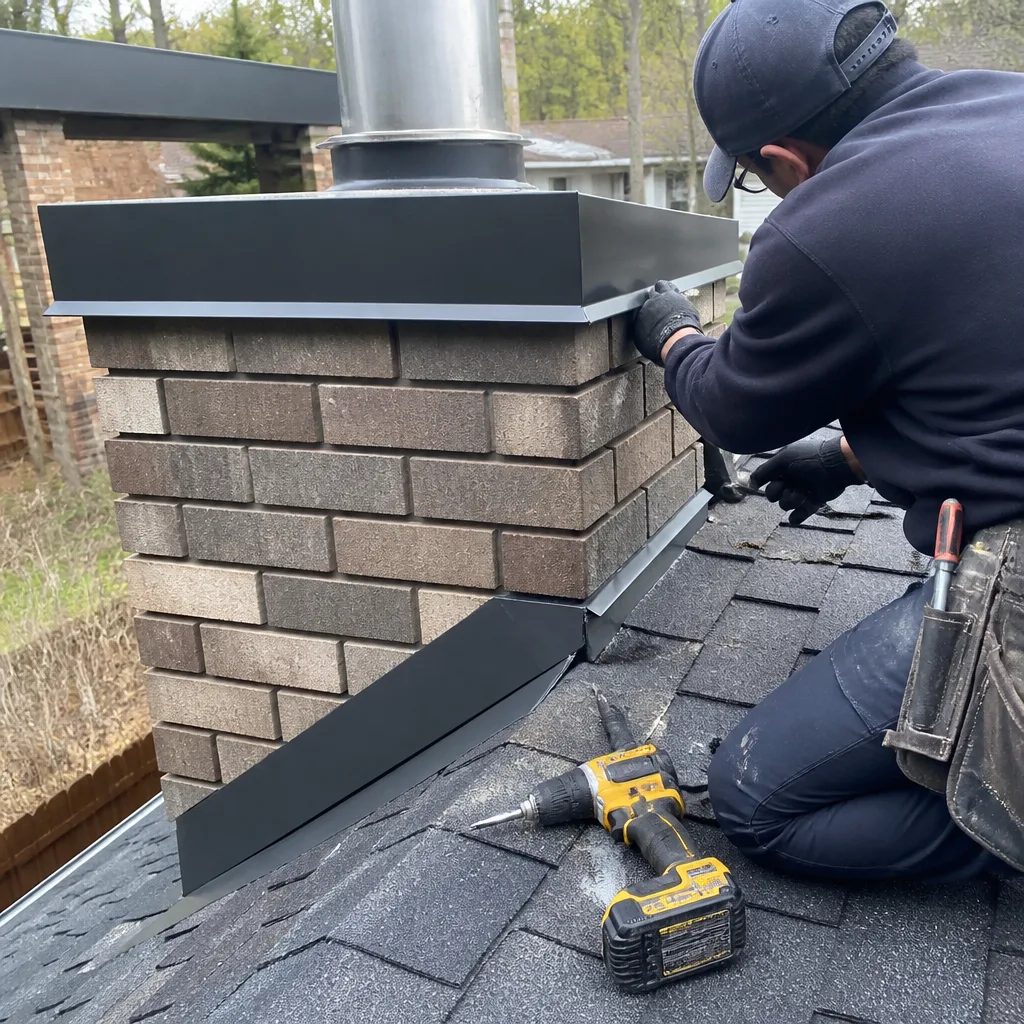
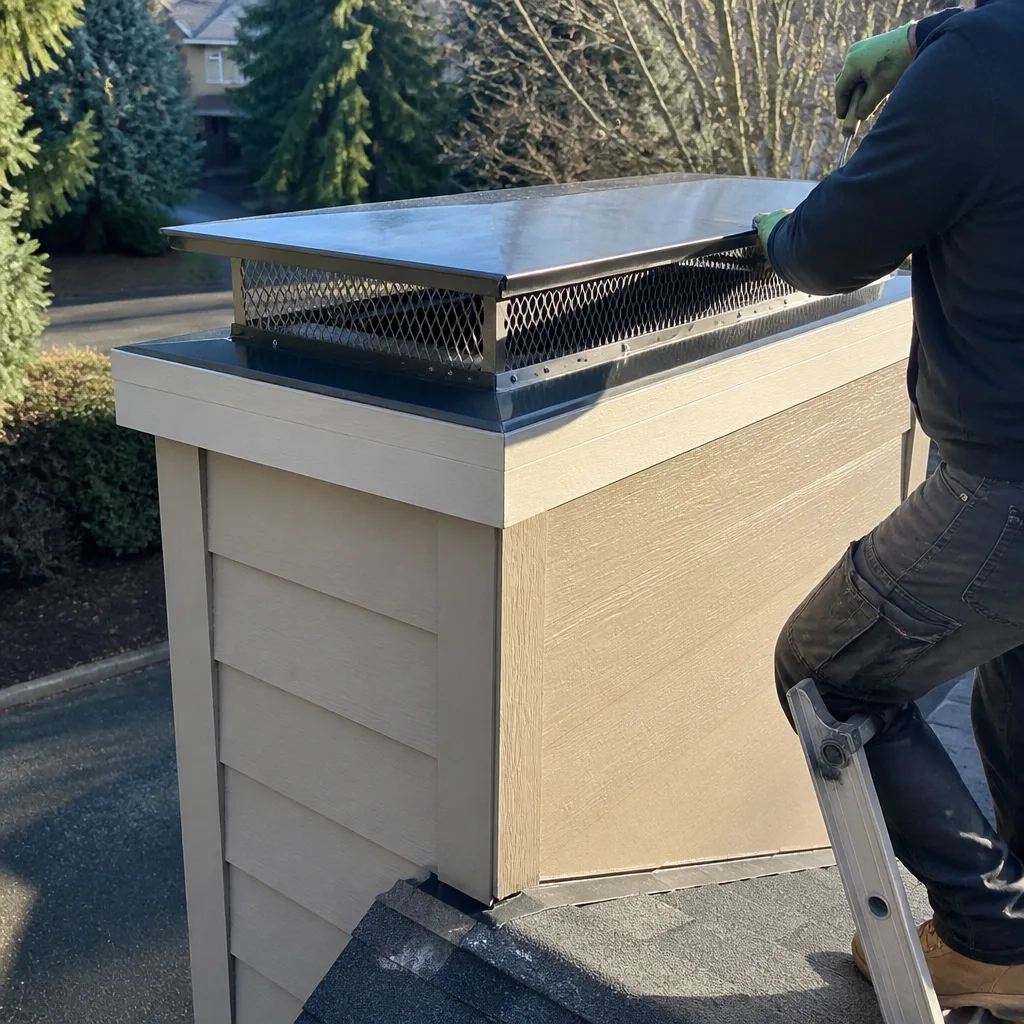
Level 1 sweep and inspection to the NFPA 211 annual standard - flue, crown, cap, and flashing checked and photographed
Chimney sweep logs do not sweep chimneys. They loosen some creosote - which then falls where a brush and vacuum still have to collect it.
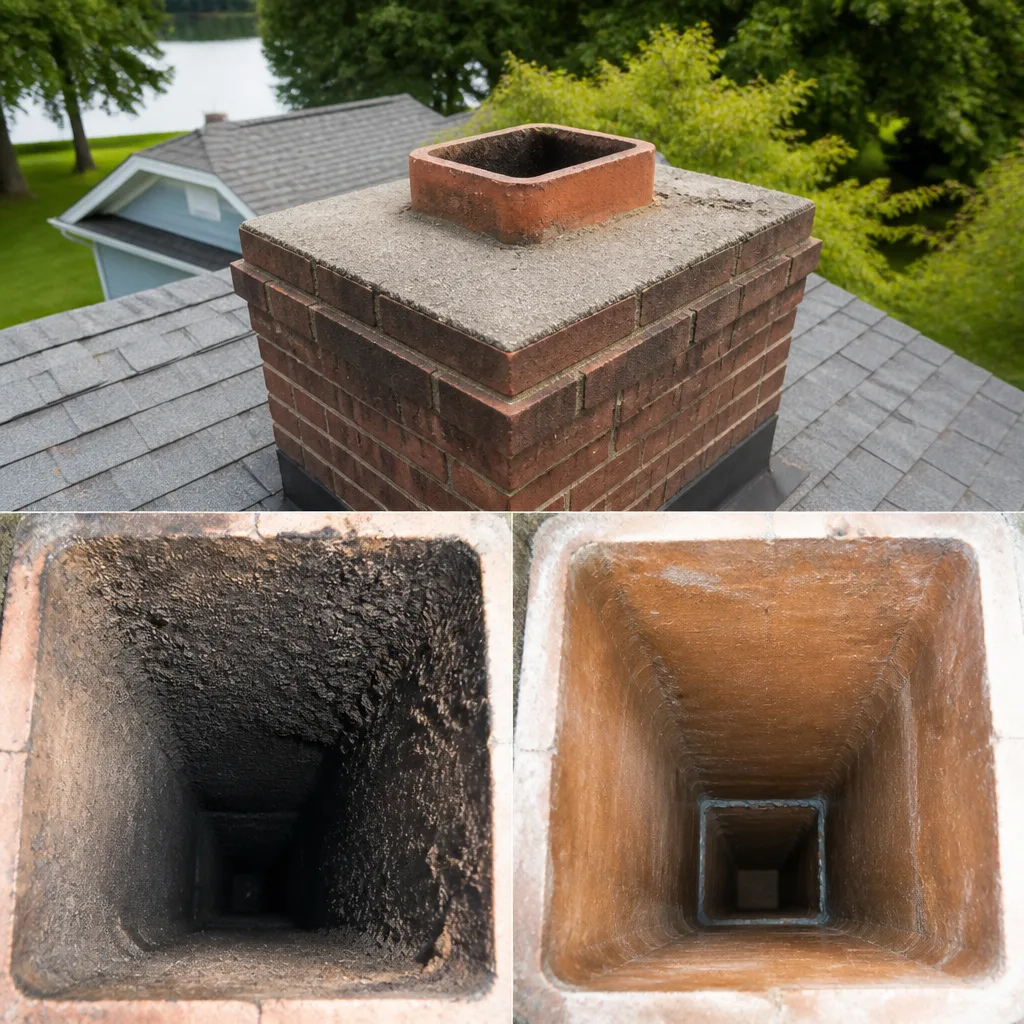
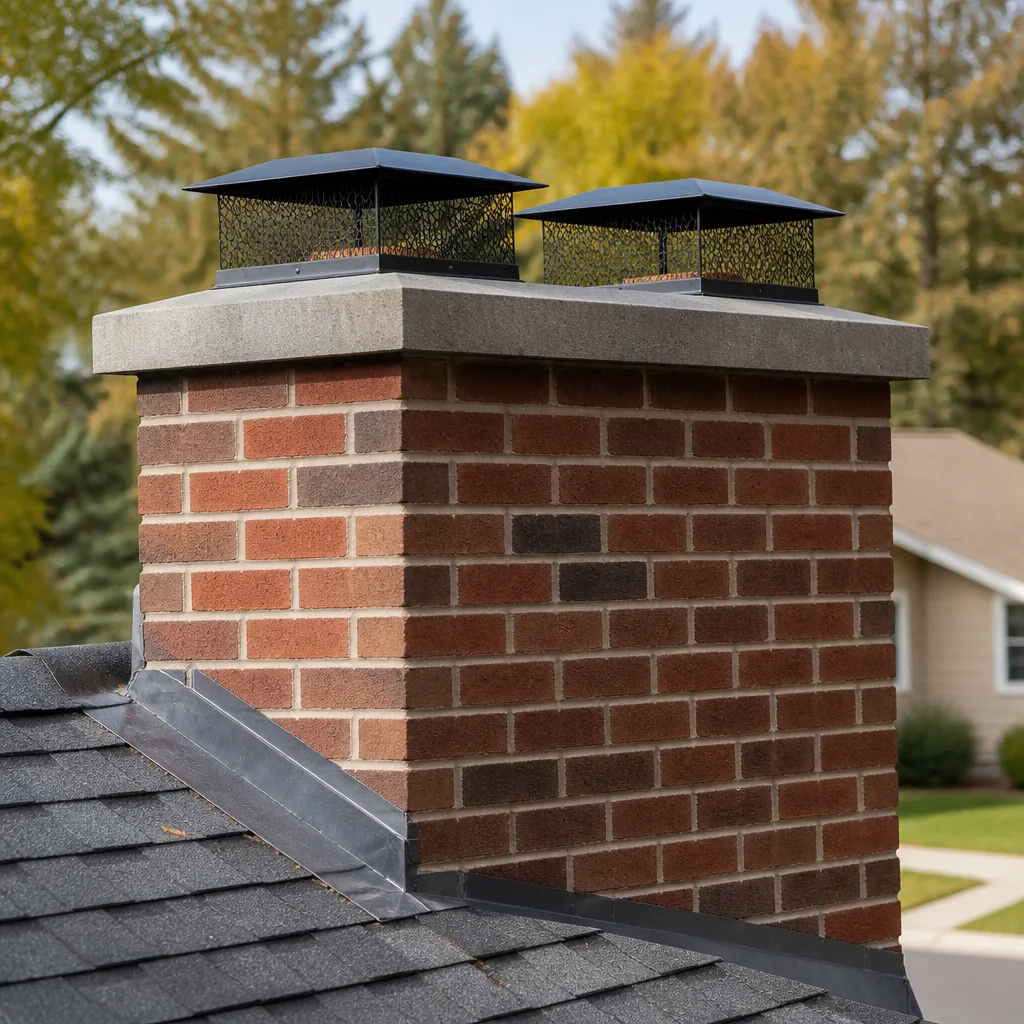
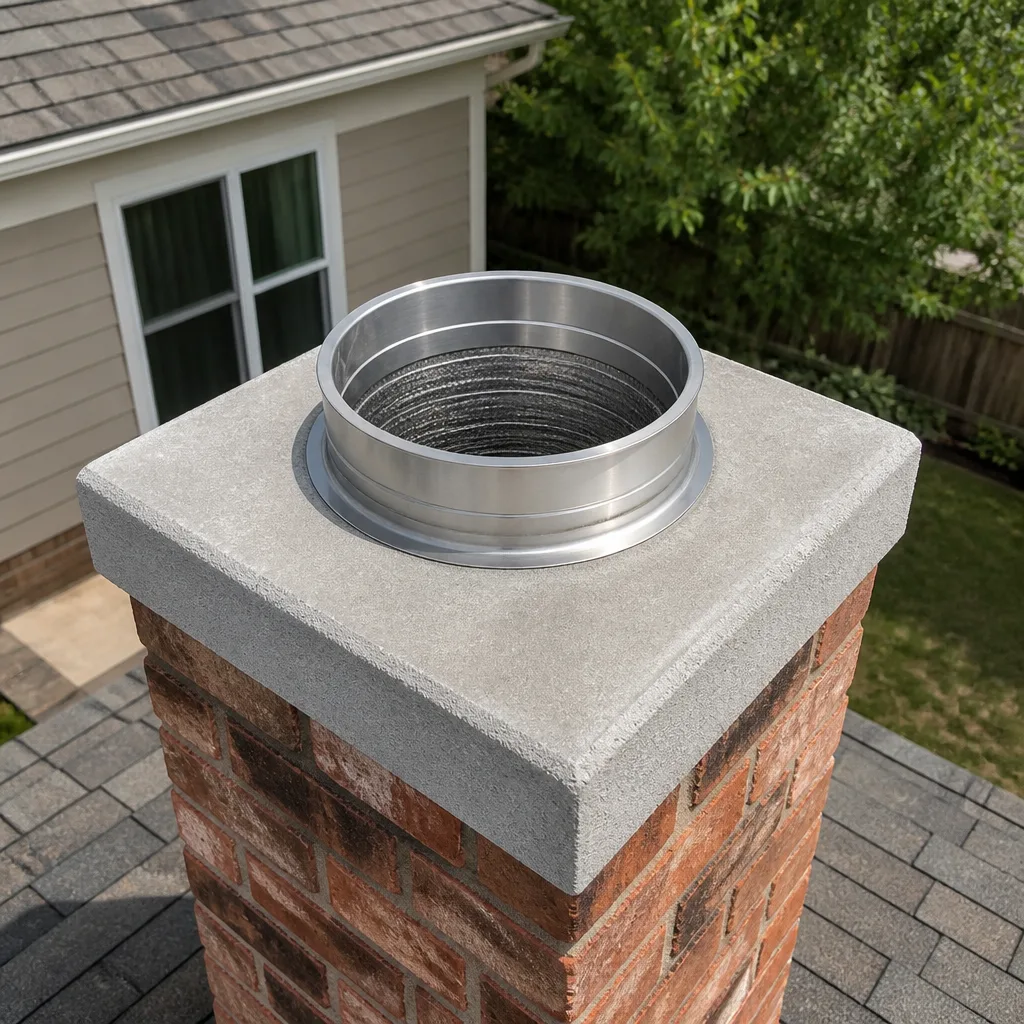
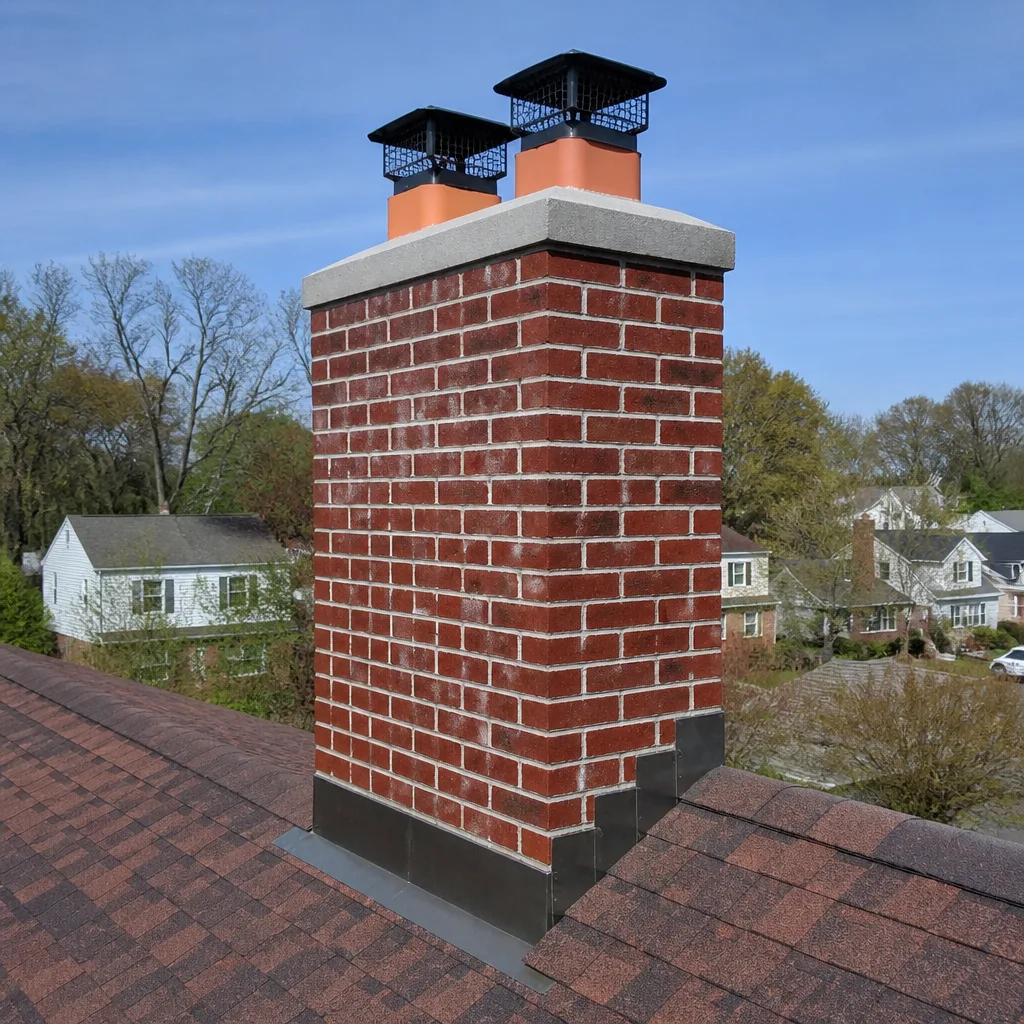
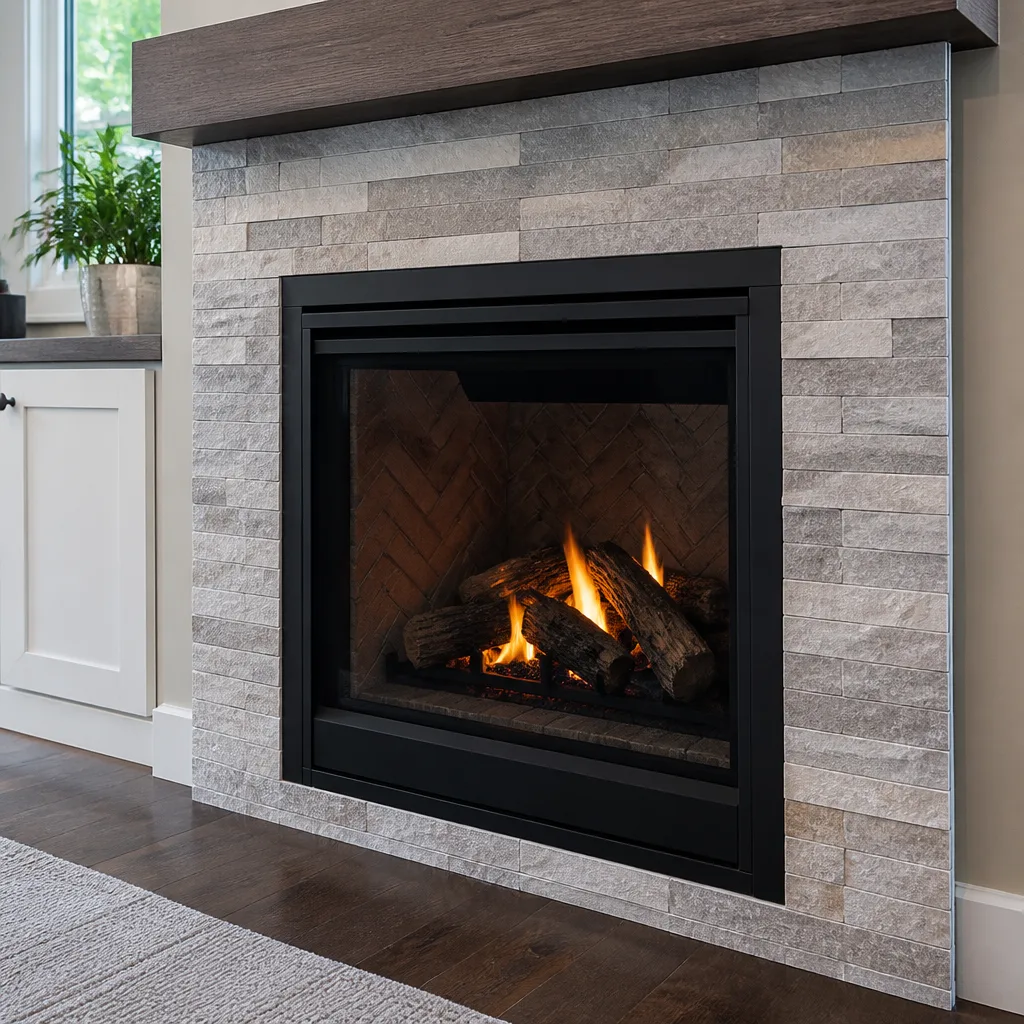
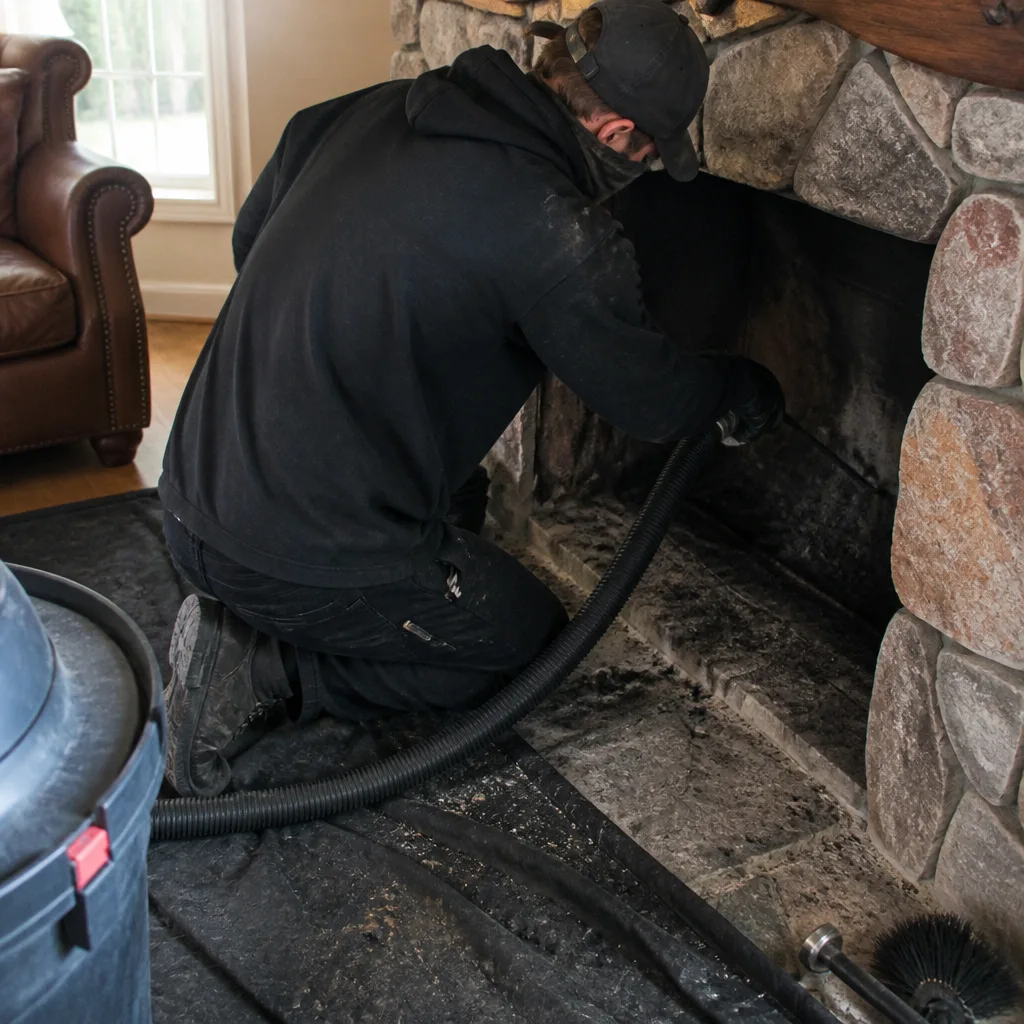 Before
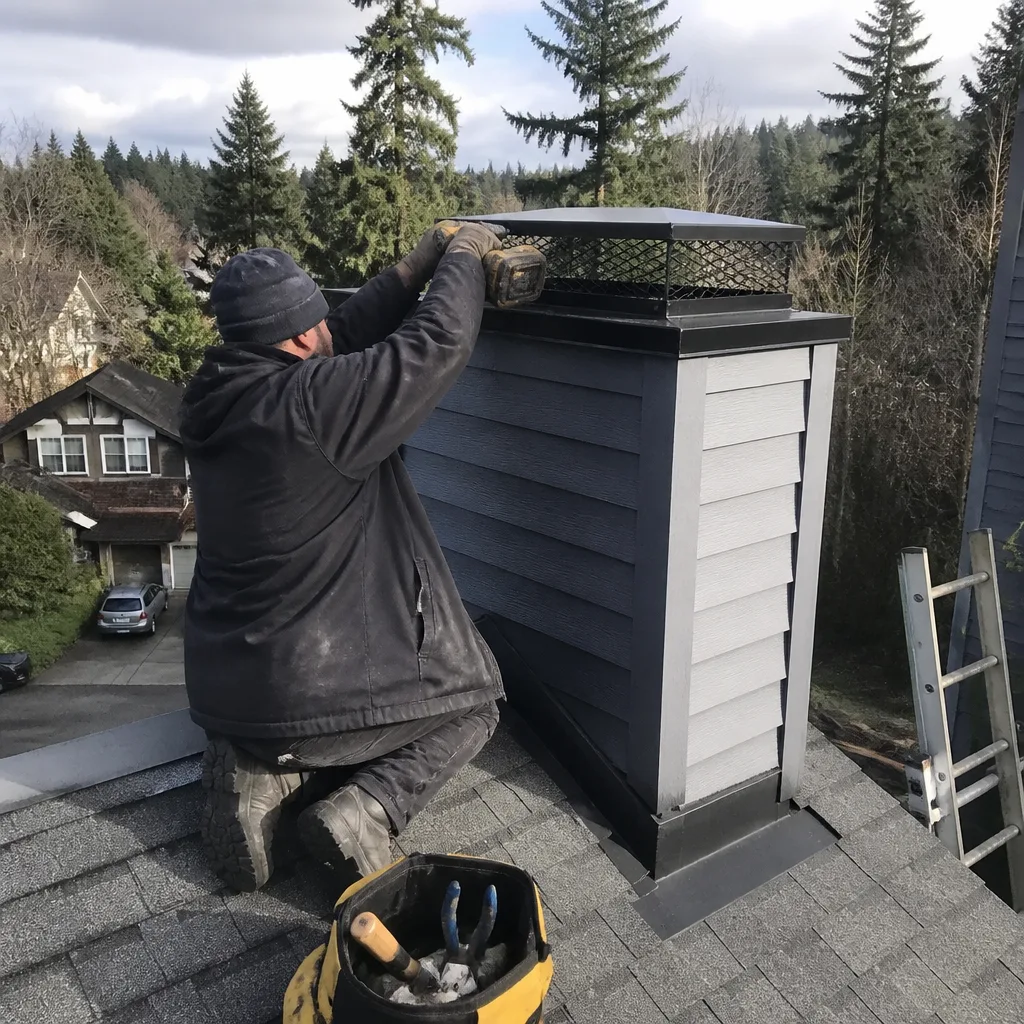 After
After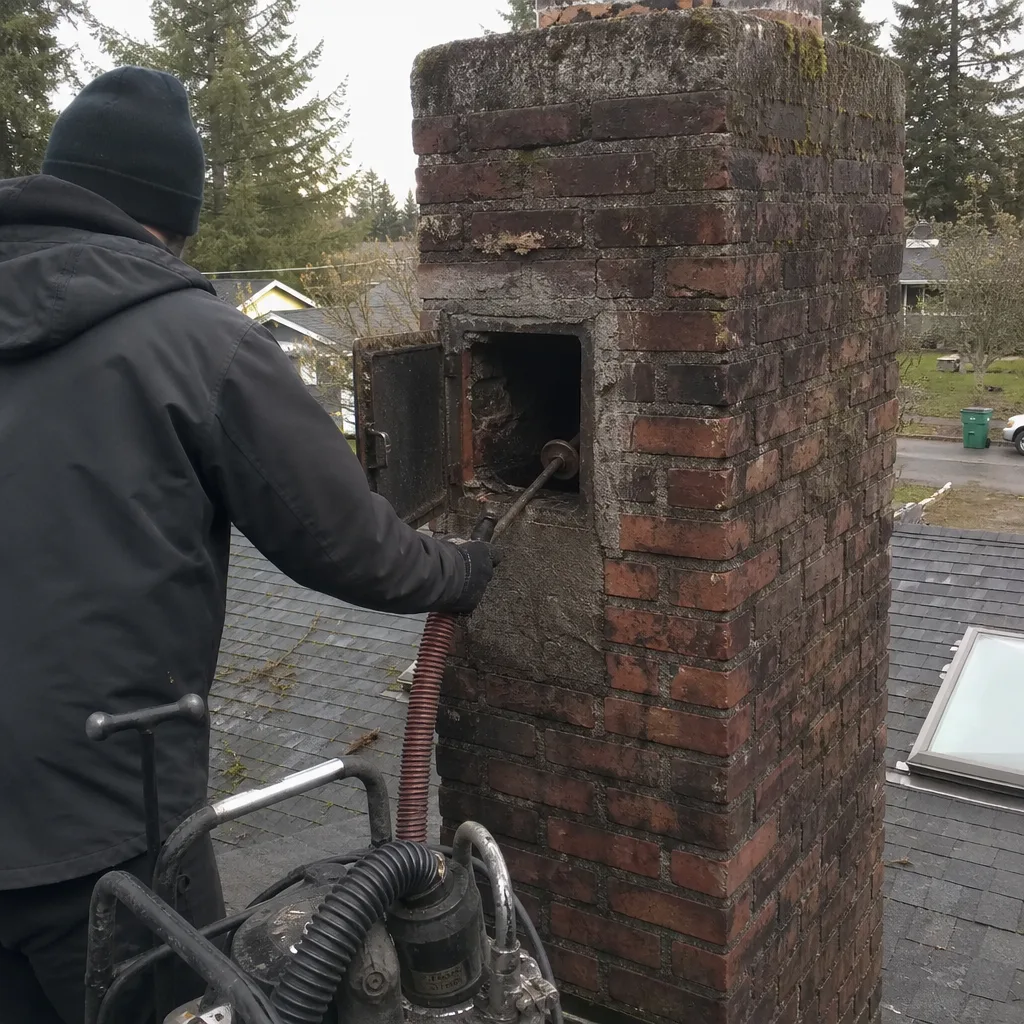 Before
 After
After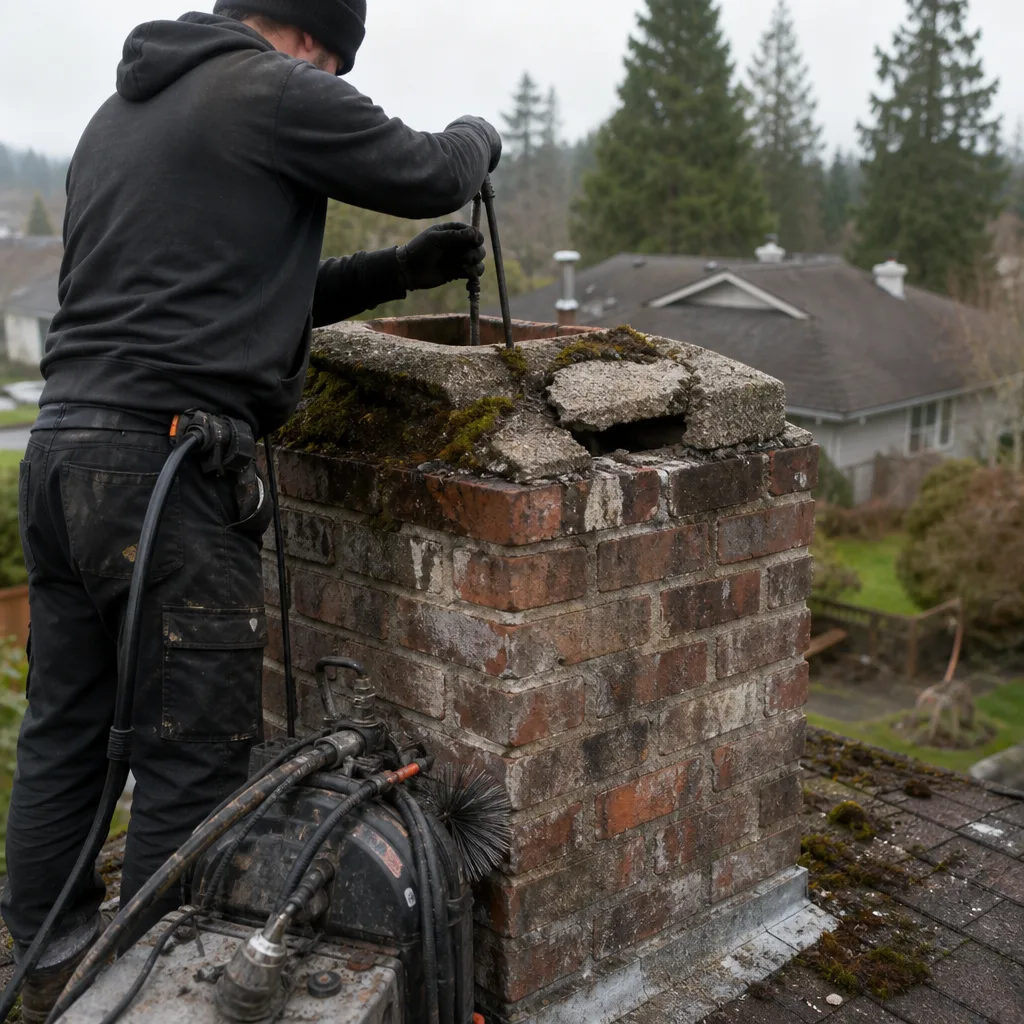 Before
 After
AfterDIY vs Professional Chimney Cleaning: The Puyallup Homeowner’s Decision Guide
You can buy the same polypropylene brushes a professional sweep uses for about $60 at a hardware store in Puyallup and clean your flue competently on a Saturday morning. The problem is that brushing removes what you can see from the firebox, not what matters for safety. Since 2009, we’ve pulled cameras up flues in Puyallup homes that looked clean to the naked eye and found cracked DuraFlex liners, separated joints in South Hill’s 1980s flexible liner retrofits, and Stage 2 creosote glazing that no brush would touch. This guide shows you exactly where DIY ends and professional work begins, what documentation actually protects you, and how to decide which path fits your specific chimney.
Quick Answer
DIY chimney cleaning handles Stage 1 creosote removal in straight, accessible flues with working cleanouts, but it cannot verify structural integrity, liner condition, or hidden creosote buildup. A professional Chimney Cleaning & Sweep in Puyallup includes an NFPA 211 Level 2 camera inspection that documents what brushing alone cannot see, producing a written record your insurance and home sale will require. For most Puyallup homeowners, especially those with flexible liners, post-remodel systems, or any heating appliance change, professional cleaning plus inspection is the only path that closes the liability gap.
Table of Contents
- What DIY Chimney Cleaning Actually Covers
- Equipment, Preparation, and Skill Level Required
- Three Conditions That Make DIY Inappropriate
- The Documentation Gap: Why It Matters
- The Puyallup-Specific Complication
- Decision Framework: Four Questions to Ask
- Cost Comparison: Real Numbers for Puyallup
- Common Mistakes to Avoid
- When to Call a Professional
- Frequently Asked Questions
 Before
 After
AfterWhat DIY Chimney Cleaning Actually Covers
DIY chimney cleaning works in a narrow band of conditions. Understanding that band honestly helps you decide without wasting money or risking safety.
Stage 1 creosote only. This is the fluffy, soot-like deposit that forms from well-seasoned hardwood burned hot with adequate air supply. It brushes off readily. Stage 2 creosote, the shiny black flakes that look like tar chips, requires a rotary loop or chain whip. Stage 3, the hardened glaze that looks like obsidian, needs chemical treatment and mechanical removal that can damage a flue if done incorrectly. We’ve seen Puyallup homeowners brush what they thought was clean flue, only to find Stage 3 glazing six feet up where the flue narrows, invisible from below.
Straight flues with accessible cleanouts. A flue with no offsets, no sharp turns, and a working cleanout door at the base allows a brush to travel the full length. If your chimney has a 30-degree bend to avoid a structural member, common in downtown Puyallup’s 1920s balloon-frame construction, a standard brush rod binds at the turn.
Standard masonry or rigid metal liners. These tolerate mechanical brushing. Flexible corrugated liners, installed in many Puyallup homes during the 1990s and 2000s heating upgrades, can be damaged by aggressive brushing if the corrugations have degraded.
What DIY does well: removes loose combustible material from accessible surfaces, improves draft marginally, and satisfies the homeowner’s sense of maintenance. What it cannot do: assess liner integrity, identify spalling flue tiles, detect crown cracks that allow water entry, or document the work for any third party.
Equipment, Preparation, and Skill Level Required
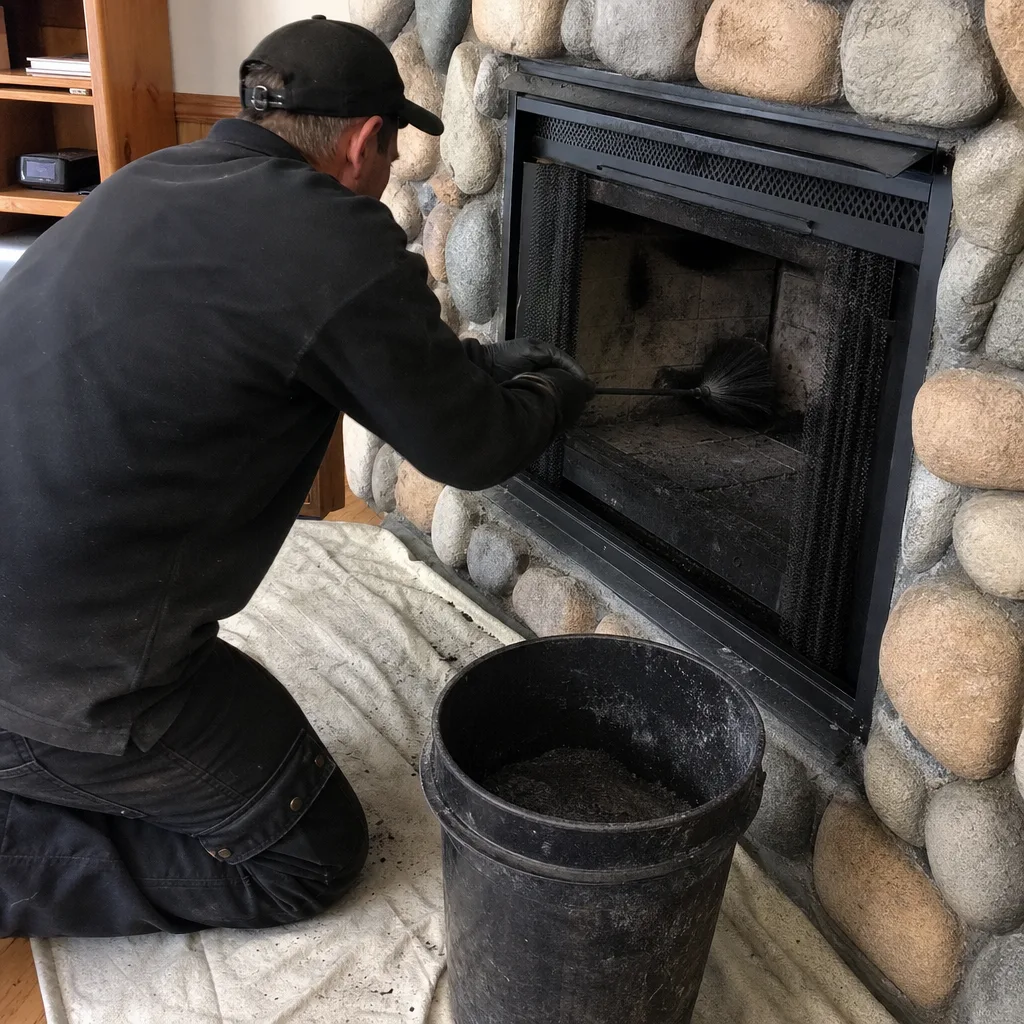
Proper DIY chimney cleaning requires more than a brush and a wish. Here’s what the work actually demands.
Essential Equipment
- Chimney brush sized to your flue diameter - measure the flue tile or liner ID, not the exterior chimney. Common sizes are 6″, 7″, and 8″.
- Fiberglass or polypropylene rods - enough length to exceed your chimney height by 10 feet. A two-story Puyallup home with a standard chimney needs roughly 25 feet.
- Drop cloths, HEPA-rated shop vacuum, and respirator (N95 minimum) - creosote particulate is a listed carcinogen; ordinary dust masks are insufficient.
- Flashlight with 500+ lumens - to inspect the flue from below before and after.
- Mirror and inspection camera (optional but recommended) - a basic borescope with 720p resolution runs $40-80 and lets you see past the smoke chamber.
Preparation Steps
- Verify the chimney is cool. Minimum 24 hours since last fire.
- Seal the fireplace opening with plastic sheeting and tape to prevent dust infiltration into the living space.
- Cover flooring with drop cloths. Creosote stains permanently.
- Access the cleanout door, typically in the basement or exterior foundation. If your Puyallup home lacks one, you’ll need to brush from above, requiring roof access with proper fall protection.
- Inspect the flue from below with flashlight and mirror. Note any visible cracks, obstructions, or unusual deposits.
- Assemble rods and brush. Add rods as you push upward, rotating clockwise to tighten connections.
- Brush the full length with firm up-and-down strokes, adding rods until the brush exits the top.
- Vacuum debris from the smoke shelf and firebox. The smoke shelf, the flat area behind the damper, collects the most material and is the hardest to reach.
Skill Level Assessment
The physical work is moderate. The judgment required is significant. You need to recognize when what you’re seeing doesn’t match expectations, when the brush isn’t moving freely, when the deposits aren’t coming loose. That recognition comes from repetition. Our technicians at Level Two Chimney Puyallup home complete hundreds of cleanings annually; pattern recognition is what separates a cleaning from a liability.
Three Conditions That Make DIY Inappropriate
Regardless of your skill with tools, three situations require professional evaluation with camera documentation. No exception.
Condition 1: Stage 2 or 3 Creosote
Stage 2 creosote presents as shiny, brittle flakes that detach in chunks. It indicates restricted combustion air, unseasoned wood, or thermostat-controlled appliances that smolder. Stage 3 is a hardened, glazed coating that reduces flue diameter and acts as a fuel source itself. Both require mechanical removal with rotary equipment, often preceded by chemical treatment with powders or sprays that modify the creosote structure. We’ve treated Stage 3 glazing in Puyallup’s Meridian area homes where homeowners burned construction scrap for two winters, unaware that treated lumber accelerates creosote formation dramatically.
Attempting to brush Stage 3 creosote with standard equipment polishes the surface without removing mass. The flue looks cleaner. It isn’t.
Condition 2: Any Recent Chimney Fire Event
A chimney fire, even a small one you extinguished yourself, alters the flue structure. Thermal shock cracks flue tiles, separates liner joints, and can distort metal liners. The damage occurs where you cannot see it. After a suspected or confirmed chimney fire, NFPA 211 requires a Level 2 inspection before the chimney returns to service. This is not a recommendation. It’s a standard that insurance adjusters and fire marshals reference.
In Puyallup’s older housing stock, particularly the pre-1940s homes near Pioneer Park, we’ve found thermal damage to parged (smoothed) smoke chambers that appeared intact from the firebox but showed delamination six feet up where temperatures peaked.
Condition 3: Any Planned Appliance Change
Installing a new insert, converting from wood to gas, or changing appliance efficiency rating alters the flue’s thermal and draft characteristics. The existing liner may be improperly sized, incompatible with the new appliance’s exhaust profile, or damaged in ways that didn’t matter for the previous use but matter critically now. A camera inspection verifies liner diameter, condition, and clearance to combustibles. Puyallup’s building department requires documentation of liner suitability for gas conversions; DIY cleaning provides none.
The Documentation Gap: Why It Matters
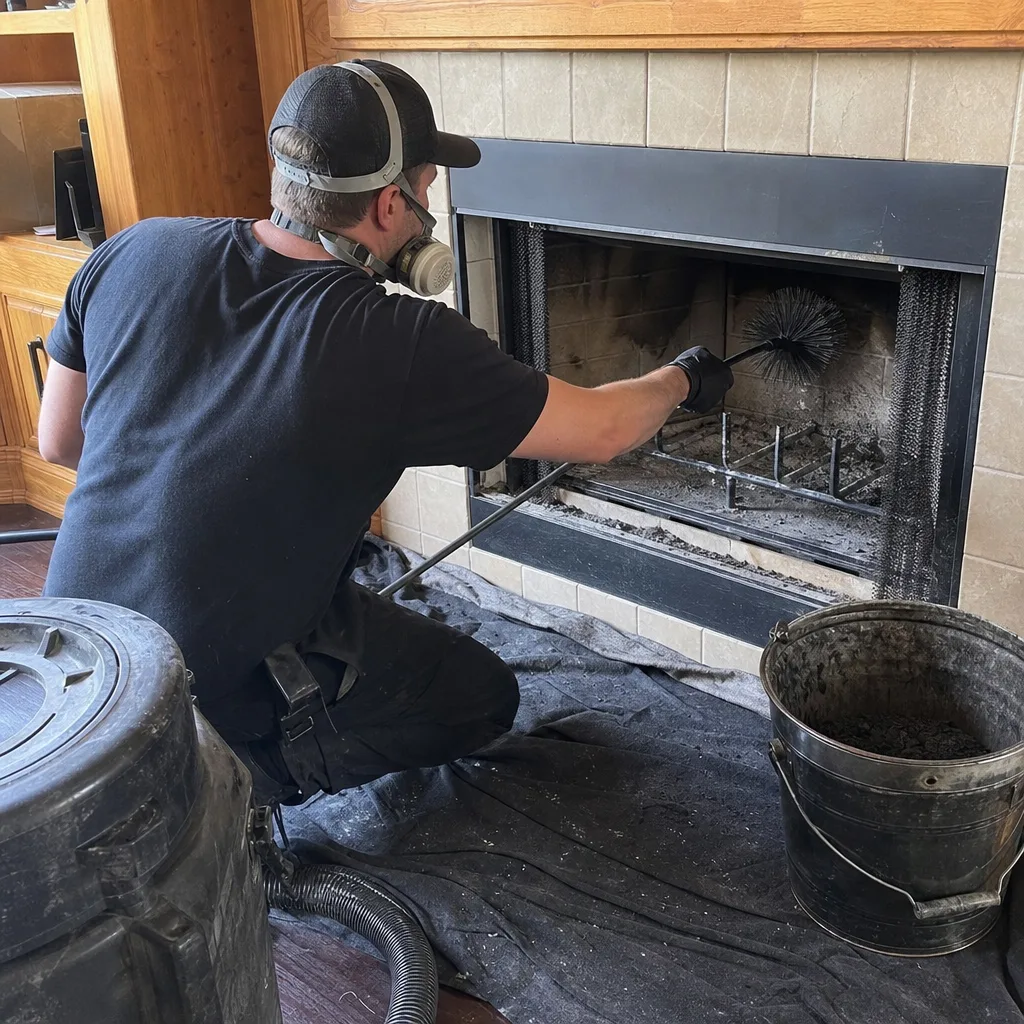
This is the point most DIY guides omit entirely, and it’s the one that costs homeowners most when things go wrong.
A professional Chimney Cleaning & Sweep in Puyallup under the Haven Standard delivers four documents: a written scope of work, a written price agreed before work begins, a photo record of flue condition, and a written warranty. Clause 4 of the Haven Standard requires that photo record on every job, archived and available to the customer. We’ve maintained this practice since 2009, before insurers or regulators asked for it.
What does DIY produce? Memory. And memory fails when a fire investigator asks what you did and when.
Here’s the scenario: you clean your chimney in October. In February, a chimney fire occurs. Your insurance adjuster requests documentation of maintenance. You describe your DIY work. The adjuster notes that no third party verified flue condition, no warranty covers the work, and no photo record establishes that the flue was sound when you finished. Coverage decisions hinge on these gaps. We’ve reviewed competitor estimates for Puyallup homeowners where the “inspection” was a flashlight glance and a verbal all-clear, no photos, no written report. That documentation gap is identical to DIY in the eyes of an insurer.
The 365-Day Done Right Promise at Level Two Chimney Co. means if we document a flue as sound and a problem emerges we should have caught, we make it right. DIY offers no equivalent. The Free Second Opinion on any written estimate lets you verify competitor documentation against our standard.
The Puyallup-Specific Complication
Puyallup’s housing market has characteristics that complicate the DIY decision beyond the general case.
Flexible liner retrofits in South Hill and downtown. Many Puyallup homes built before 1970 received flexible stainless steel liner inserts during the 1990s and 2000s as heating systems converted to high-efficiency appliances. These liners, often DuraFlex or similar corrugated products, degrade at flex points where the chimney offsets around structural members. The degradation is invisible from the firebox and undetectable by brushing feel. Only a camera scan reveals the thinning, cracking, or separation at these points.
We’ve inspected South Hill homes where the flexible liner had separated completely at a mid-chimney offset, venting combustion gases into the chimney cavity. The homeowner had cleaned the flue annually for years without knowing. The flue looked clean. It was also venting carbon monoxide into the wall structure.
Moisture cycling from Puyallup’s wet winters. The Pacific Northwest’s freeze-thaw cycle, even mild as it is near sea level, accelerates crown deterioration and flue tile spalling. Spalling is the flaking or chipping of the flue tile surface, often caused by moisture penetration and expansion. A clean flue with spalling tiles is still a compromised flue. The debris from spalling also mimics creosote in appearance from below.
Post-remodel systems without original documentation. Puyallup’s rapid growth between 2015 and 2025 included extensive home purchases by buyers who received no chimney documentation from sellers. Without knowing the liner type, installation date, or appliance history, a homeowner cannot assess whether their system matches the narrow conditions where DIY is appropriate.
Decision Framework: Four Questions to Ask
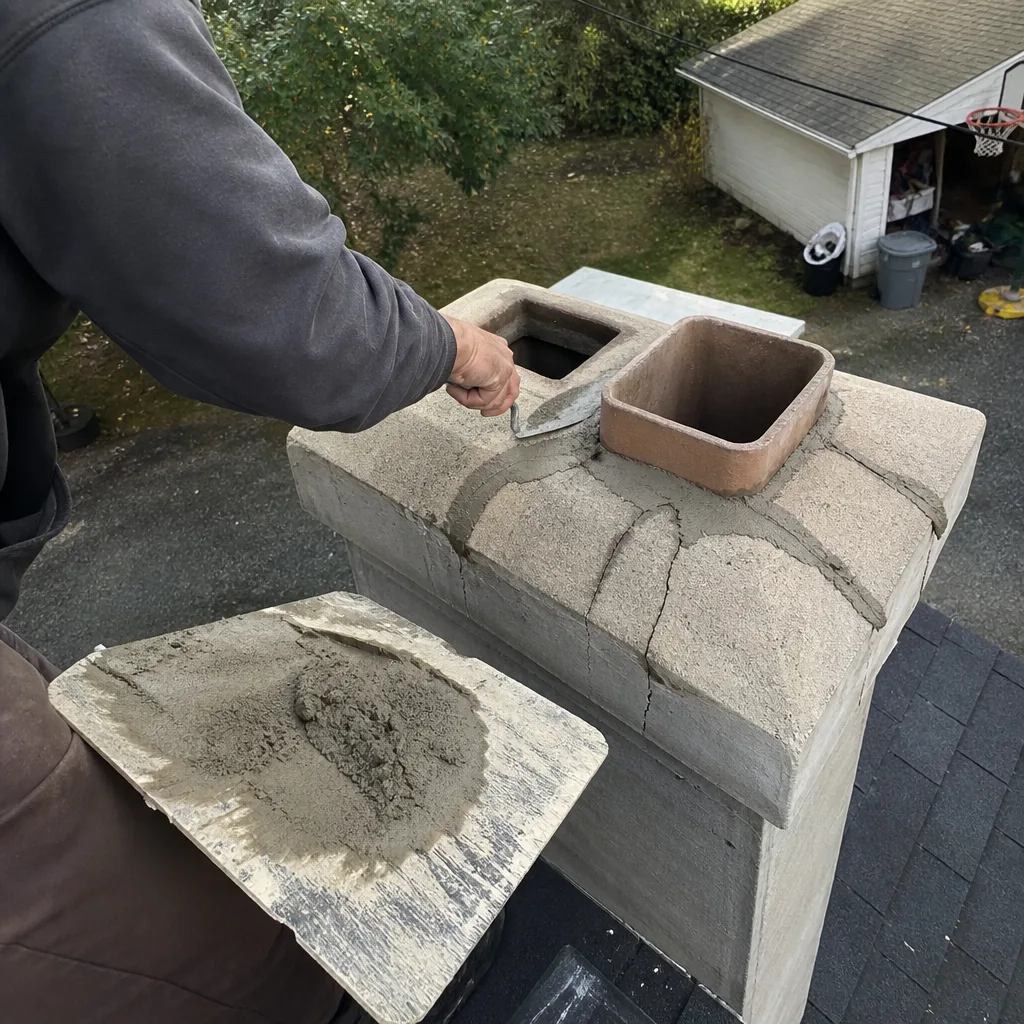
Use these four questions honestly. There are no wrong answers, only wrong assumptions.
Question 1: Do I know my creosote stage with certainty?
If you’ve inspected with a borescope and found only fluffy, easily dislodged soot, proceed to Question 2. If you haven’t looked, or if you see anything shiny, hardened, or glazed, stop. You need professional evaluation.
Question 2: Is my flue straight, accessible, and rigid?
Straight means no offsets or bends. Accessible means a working cleanout or safe roof access with fall protection. Rigid means standard masonry flue tiles or rigid metal liner, not flexible corrugated product. If any answer is no, professional service is required.
Question 3: Has anything changed in my system or use?
New appliance, different fuel, suspected chimney fire, change in burning habits, purchase of home with unknown history. Any “yes” triggers the need for camera inspection regardless of cleaning method.
Question 4: Do I need documentation for insurance, sale, or warranty?
If your home is listed for sale, if your insurance requires maintenance records, if your appliance warranty requires professional service, DIY cannot satisfy these requirements. Puyallup’s competitive real estate market increasingly includes chimney inspection contingencies; a seller with documentation from a recognized standard has advantage over one without.
Routing:
- Four “yes” answers to appropriate questions: DIY cleaning is technically feasible, though we still recommend professional inspection every few years for pattern comparison.
- Any “no” on Questions 1-3: Professional cleaning plus Level 2 inspection required.
- “Yes” on Question 4 alone: Professional service required for documentation.
Cost Comparison: Real Numbers for Puyallup
Honest cost comparison requires including all costs, including the hidden ones.
DIY Costs
| Item | Cost Range |
|---|---|
| Brush and rods (quality set) | $60 – $120 |
| HEPA vacuum rental or purchase | $80 – $250 |
| Respirator and PPE | $30 – $60 |
| Borescope inspection camera | $40 – $100 |
| Drop cloths, tape, cleaning supplies | $25 – $50 |
| First-year total | $235 – $580 |
| Subsequent years (brush replacement, supplies) | $40 – $80 |
Not included: roof safety equipment if cleanout is absent, time value, liability exposure, cost of correcting damage from improper technique.
Professional Cleaning Costs in Puyallup
| Service | Cost Range |
|---|---|
| Standard sweep with Level 1 inspection (visual only) | $150 – $250 |
| Sweep with NFPA 211 Level 2 camera inspection | $250 – $400 |
| Stage 2-3 creosote removal (chemical + rotary) | $400 – $700 |
| Liner integrity verification (camera + documentation) | $300 – $450 |
The price spread reflects chimney height, accessibility, and condition. At Level Two Chimney Co., we deliver a written price before work starts, every job, no exceptions. Haven Standard Clause 1 requires it. We don’t quote ranges that balloon on arrival.
For most Puyallup homeowners, the first-year DIY investment approaches professional service cost without delivering documentation, warranty, or liability protection. The economic case for DIY weakens further if you value your time or if any complication emerges.
Common Mistakes to Avoid
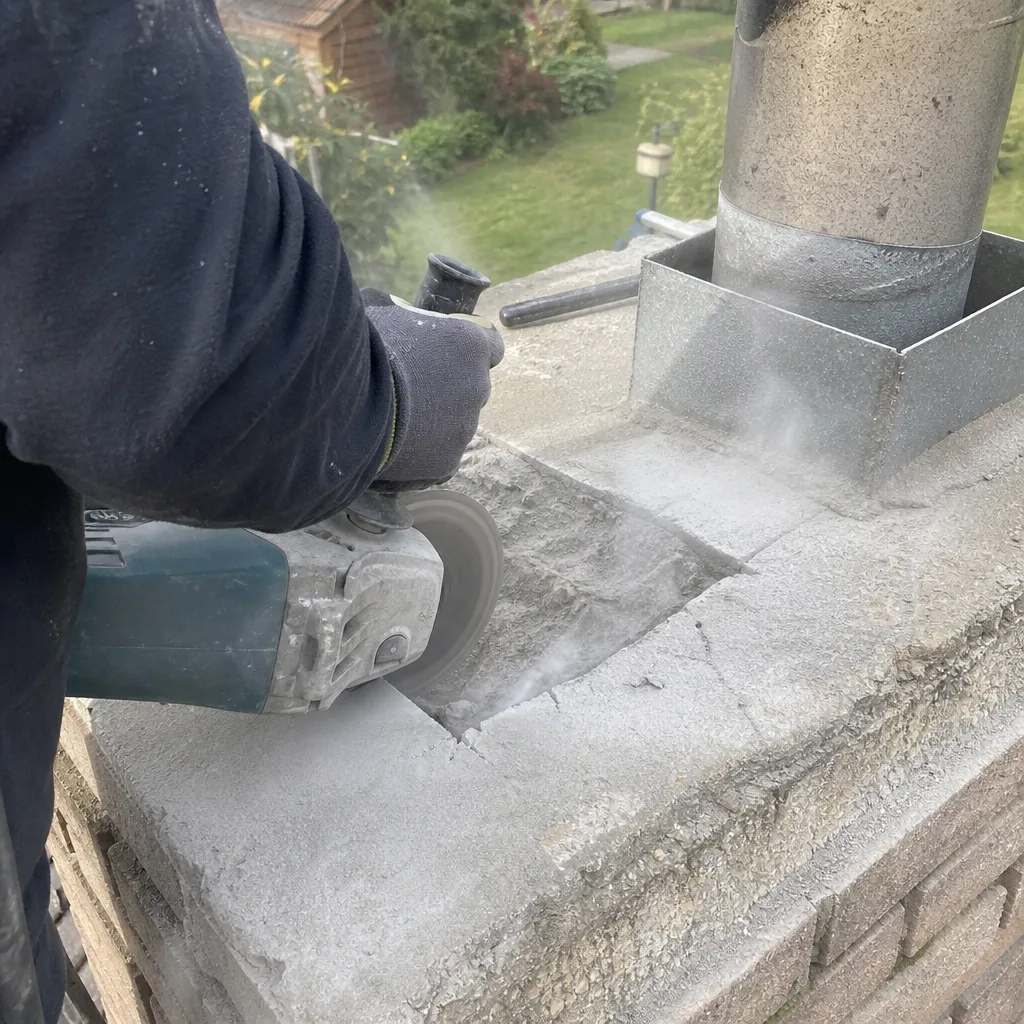
- Brushing a flexible liner with a brush sized for rigid tile. The wrong diameter catches corrugations and can pull the liner from its top termination. We’ve replaced liners in Puyallup’s Sunrise area where this exact damage occurred.
- Assuming a clean-looking firebox means a clean flue. The smoke chamber and upper flue collect the most deposits and are least visible. A flashlight from below reveals only the first few feet.
- Using a shop vacuum without HEPA filtration. Standard vacuums exhaust fine particulate through the motor housing. Creosote particles are sub-micron and penetrate ordinary filters. The smell lingers for months.
- Ignoring the smoke shelf. This flat area behind the damper traps debris and is the most common source of fireplace odors in Puyallup’s spring thaw. It requires hand removal, not brushing.
- Cleaning without inspecting first. You wouldn’t drain a pool without knowing where the valve is. Brushing before inspection risks damaging an already compromised liner or missing a blockage that explains poor draft.
- Assuming annual cleaning means annual safety. Cleaning frequency depends on use volume, fuel quality, and appliance efficiency. A Puyallup homeowner burning two cords of seasoned fir may need less frequent service than one burning construction debris. The inspection determines the interval, not the calendar.
When to Call a Professional
Call when any condition in this guide pushes you toward professional service. Call when you need documentation. Call when you don’t know what you’re looking at and need someone to name it plainly.
Specific scenarios: any flexible liner system, any post-fire event, any appliance change, any home purchase without chimney history, any visible crack or spalling from below, any persistent draft or odor problem after cleaning, any insurance or sale requirement for records.
Level Two Chimney Puyallup offers free estimates in Puyallup. We’ll deliver a written scope, a written price, and a written warranty before any work begins. Call (253) 323-5667 to schedule. Our technicians are background-checked, uniformed, and named on your appointment. You’ll receive a text when they’re en route. Live phone support runs 24 hours a day, 7 days a week.
Frequently Asked Questions
A standard chimney sweep with NFPA 211 Level 2 camera inspection in Puyallup typically runs $250 to $400, depending on chimney height, accessibility, and creosote condition. Stage 2 or 3 creosote removal adds $150 to $300 for chemical treatment and rotary mechanical cleaning. We deliver a written price before work starts on every job, with no exceptions. Call (253) 323-5667 for an exact quote, estimates are free.
You shouldn’t accept any liner recommendation without camera evidence you can see for yourself. At Level Two Chimney Co., Clause 4 of the Haven Standard requires a photo record on every job. We show you the crack, the separation, or the corrosion pattern, then explain what it means for your specific appliance. We also offer a Free Second Opinion on any competitor’s written estimate. If the work can safely wait, we’ll say so plainly and document why.
The NFPA 211 standard calls for annual inspection, with cleaning frequency determined by what the inspection finds. In practice, a Puyallup homeowner burning 1-2 cords of seasoned hardwood annually in a modern, efficient appliance may need sweeping every 1-2 years. Those burning softer woods, unseasoned fuel, or running appliances at low output for long periods may need annual or more frequent service. The inspection, not the calendar, should drive the schedule.
Skipped cleaning allows creosote accumulation, which restricts flue diameter, reduces draft, and provides fuel for chimney fires. Stage 3 creosote ignites at approximately 451°F, well within reach of normal operating temperatures. The risk isn’t hypothetical, we’ve documented chimney fire damage in Puyallup homes where cleaning was deferred. Carbon monoxide exposure from blocked or damaged flues is the less visible but more common hazard. Call (253) 323-5667 for an inspection if you’re unsure of your system’s condition.
Gas fireplaces require different maintenance than wood-burning systems. The flue may not accumulate creosote, but it can suffer from moisture corrosion, debris blockage from deteriorated chimney caps, or liner damage from condensing exhaust. Many Puyallup homes with gas inserts in original wood-burning fireplaces have mismatched liner sizes that only camera inspection can verify. DIY cleaning of a gas system is generally inappropriate because the relevant hazards aren’t cleaning-related.
Level 1 is a visual inspection of readily accessible portions of the chimney exterior and interior, appropriate for ongoing use with no changes. Level 2 includes everything in Level 1 plus camera scan of the full flue length, accessible portions of the attic and crawl space, and evaluation of clearances to combustibles. NFPA 211 requires Level 2 for property transfers, appliance changes, or after any damaging event. Level Two Chimney Co. makes Level 2 the default on every visit, not an upgrade, because the camera reveals what visual inspection cannot.
The Bottom Line
DIY chimney cleaning occupies a narrow, honest space: Stage 1 creosote, straight rigid flues, accessible cleanouts, no system changes, no documentation needs. Outside that space, professional service isn’t a luxury, it’s the only path that closes the safety and liability loop. The brushing is within reach of most homeowners. The inspection that validates the brushing is not. In Puyallup’s market of flexible liner retrofits, moisture-stressed masonry, and documentation-conscious real estate transactions, the gap between “looks clean” and “verified safe” is where professional work earns its cost. We’ve completed more than 38,000 chimney inspections and cleanings since 2009, every one with a written price before work started and a documented record when done. That documentation is what protects you when it matters.
Written by Corrine Halstead, Owner at Level Two Chimney Puyallup, serving Puyallup since 2009.