
Last updated September 22, 2026
Level 1 sweep and inspection to the NFPA 211 annual standard - flue, crown, cap, and flashing checked and photographed
Chimney sweep logs do not sweep chimneys. They loosen some creosote - which then falls where a brush and vacuum still have to collect it.
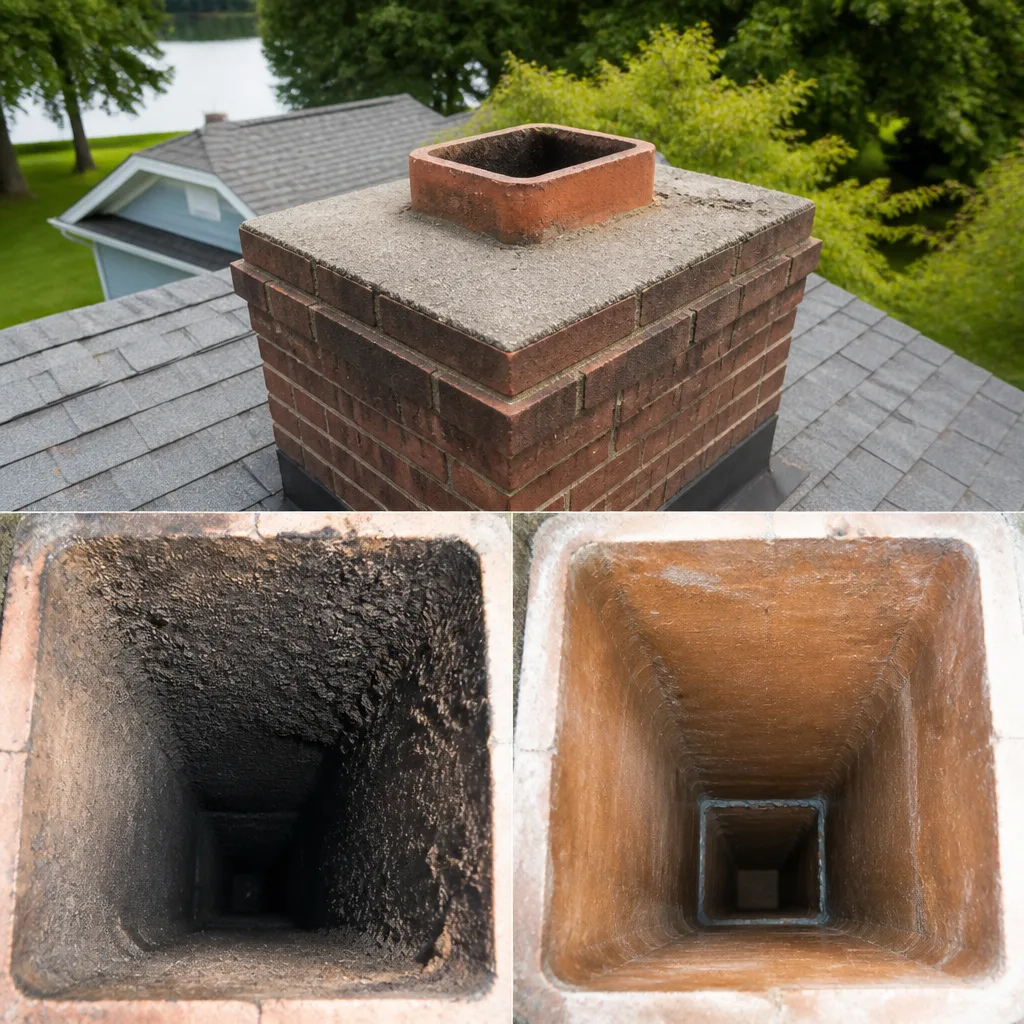
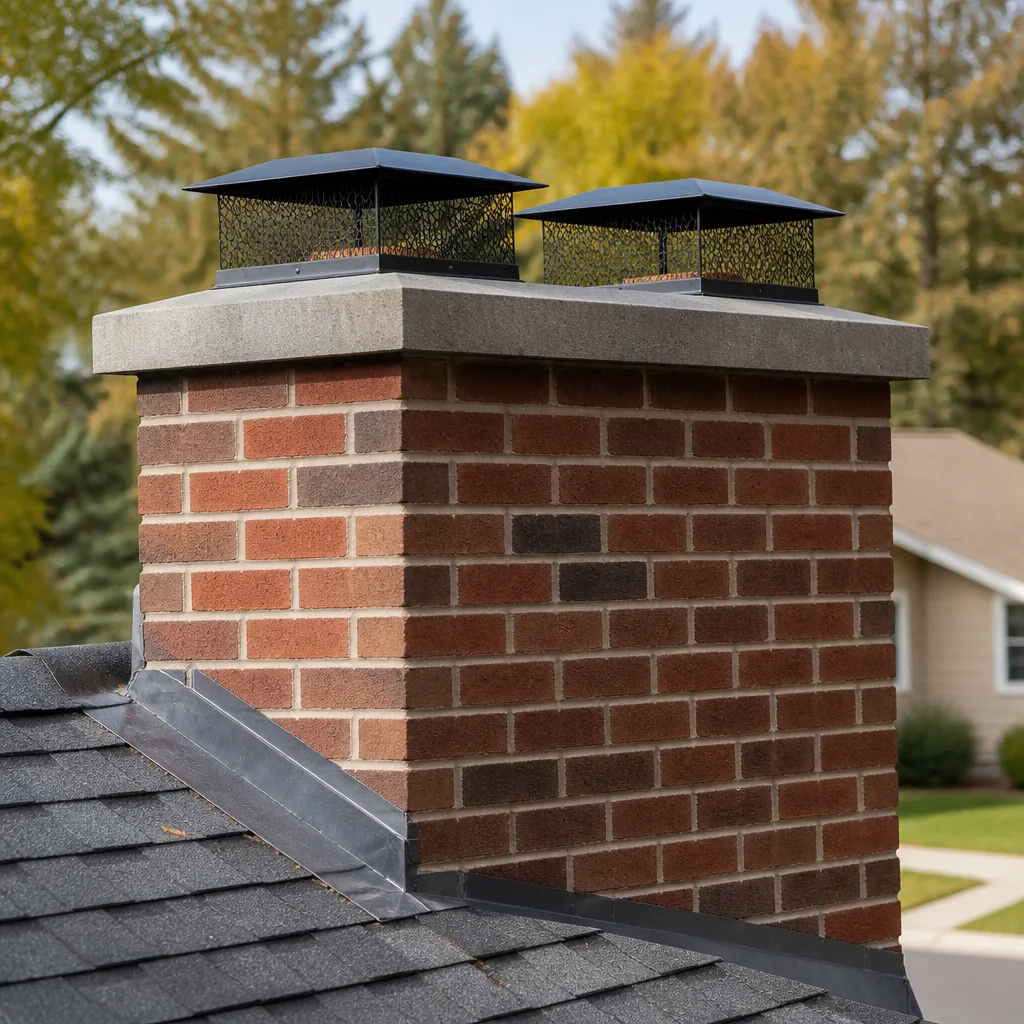
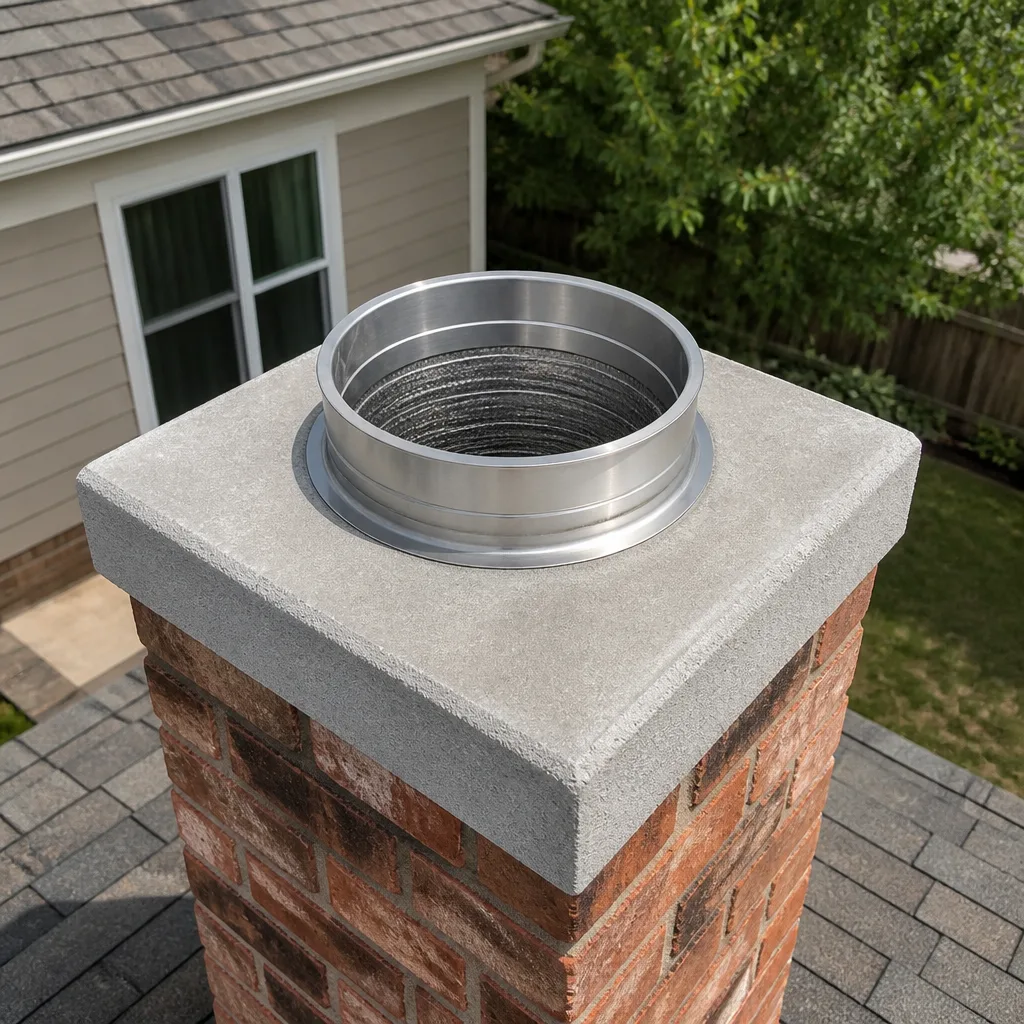
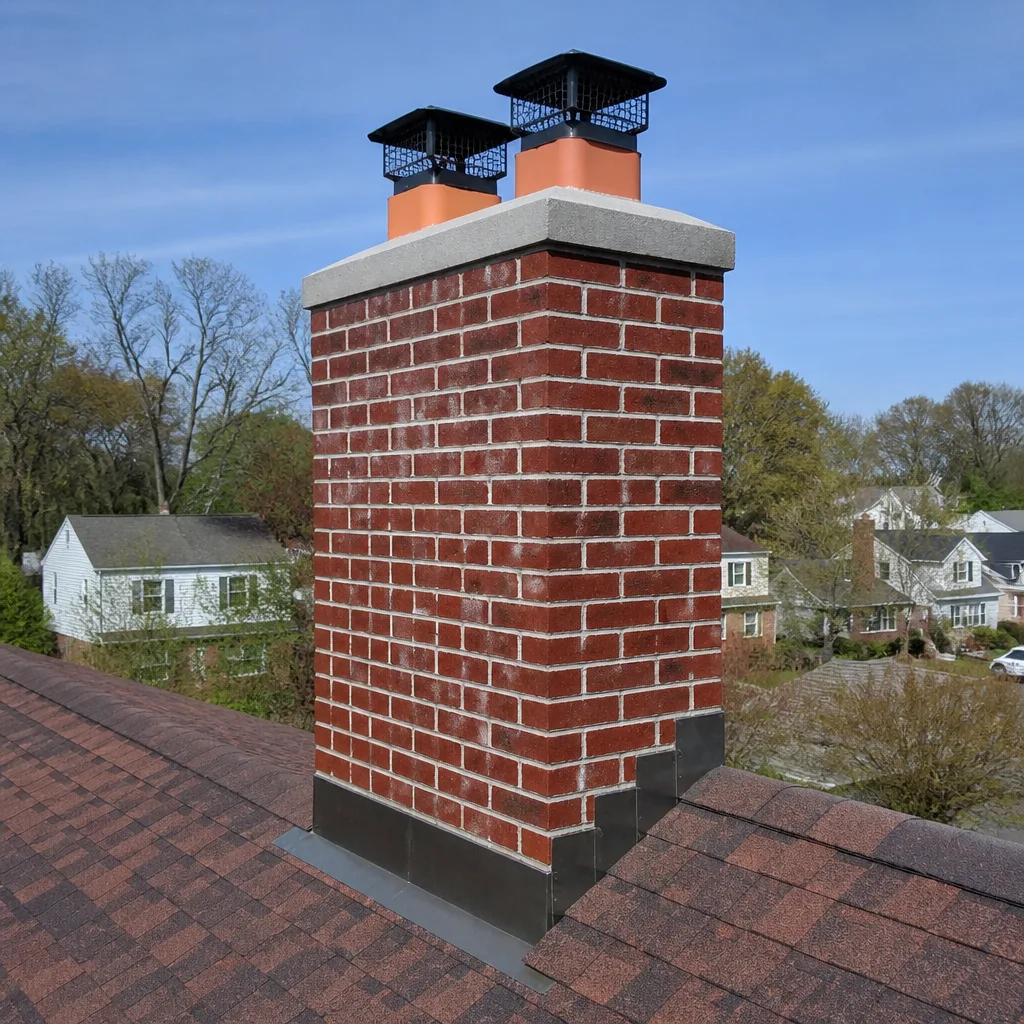
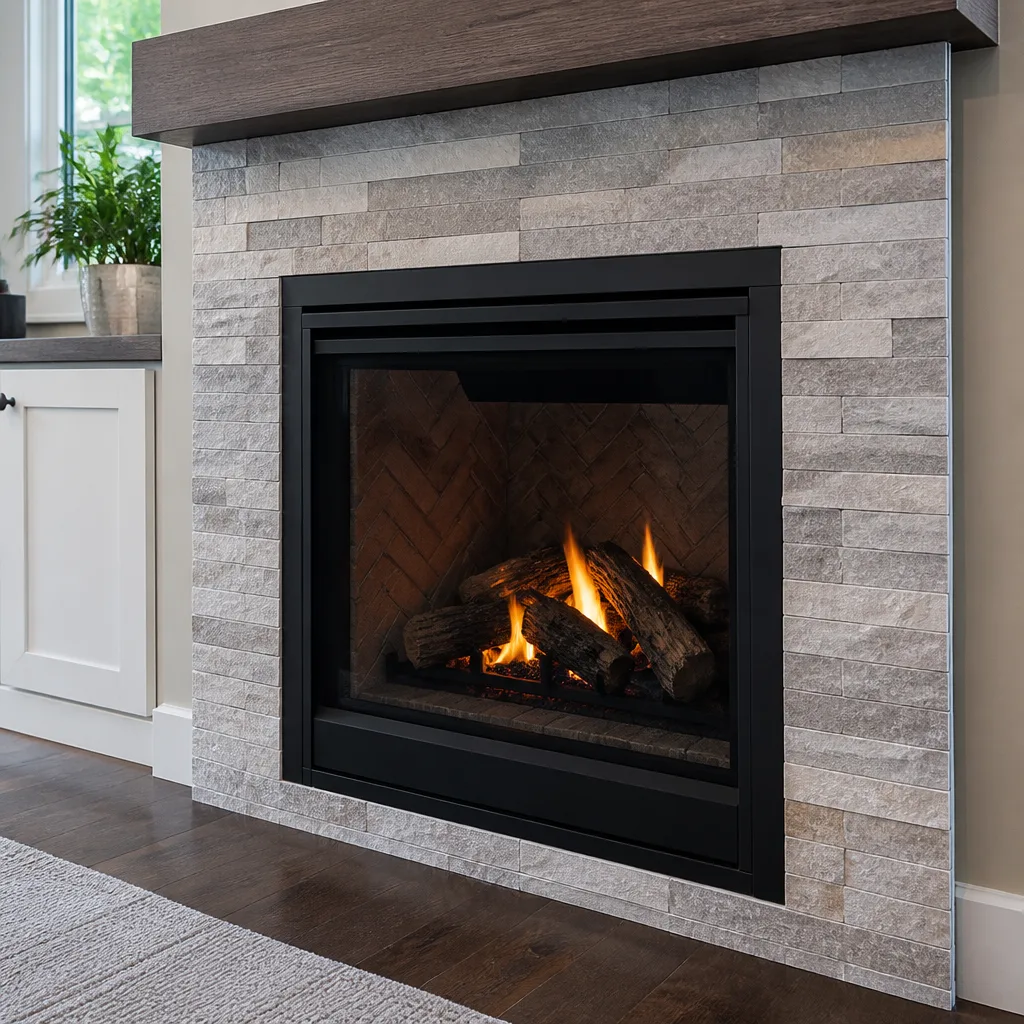
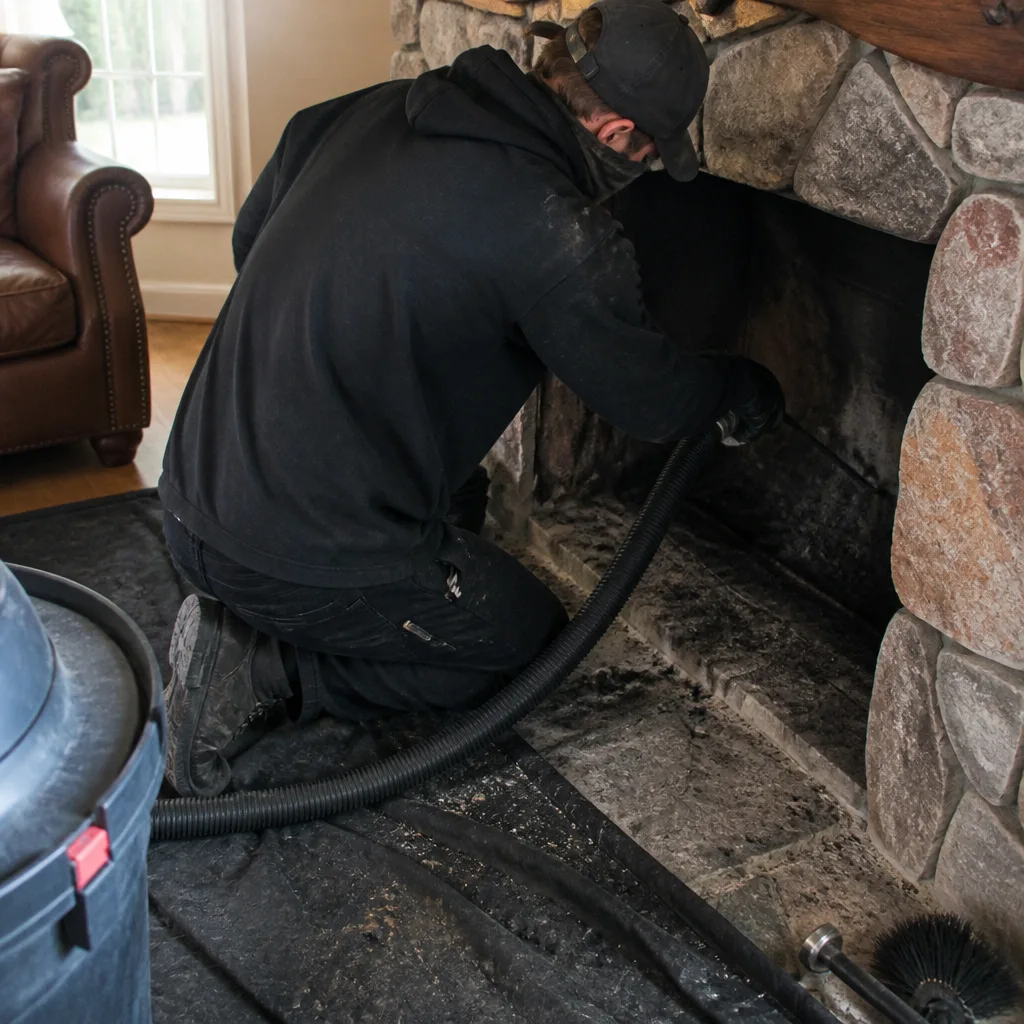 Before
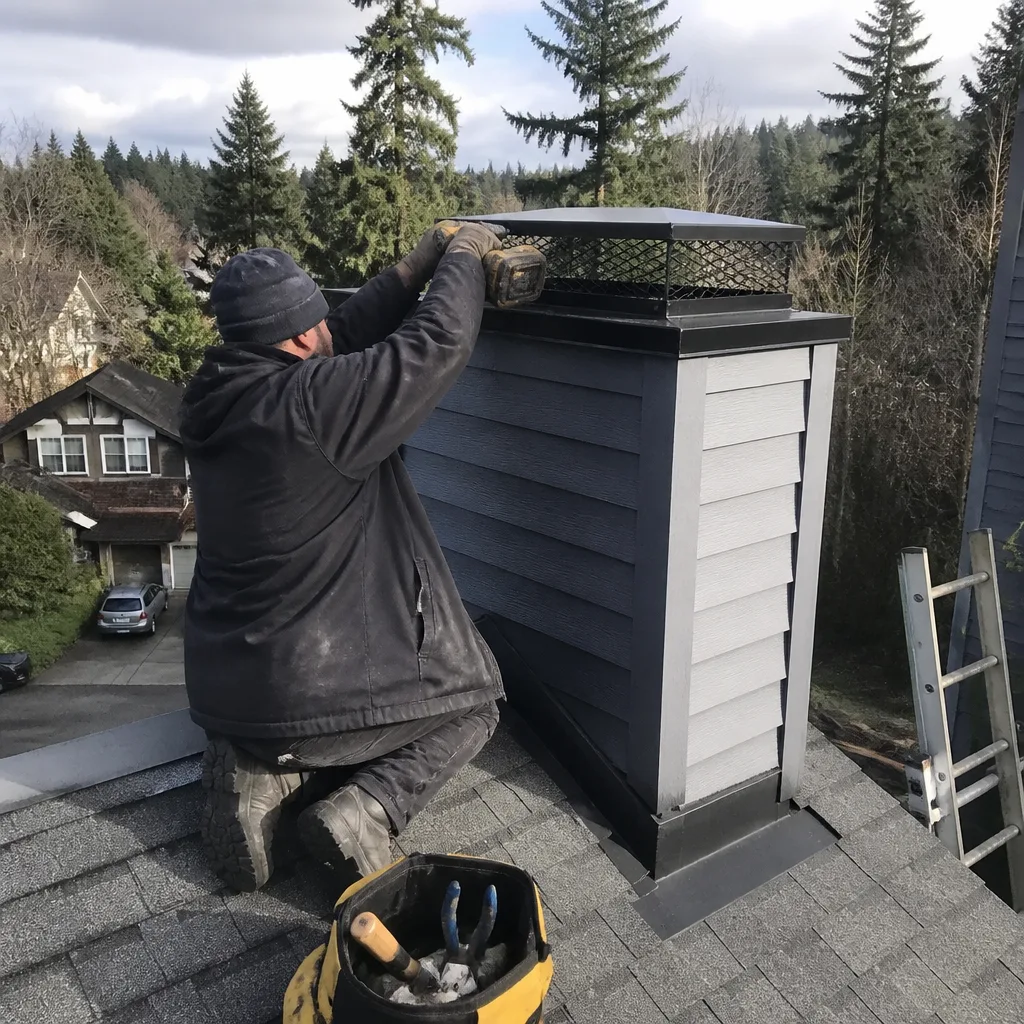 After
After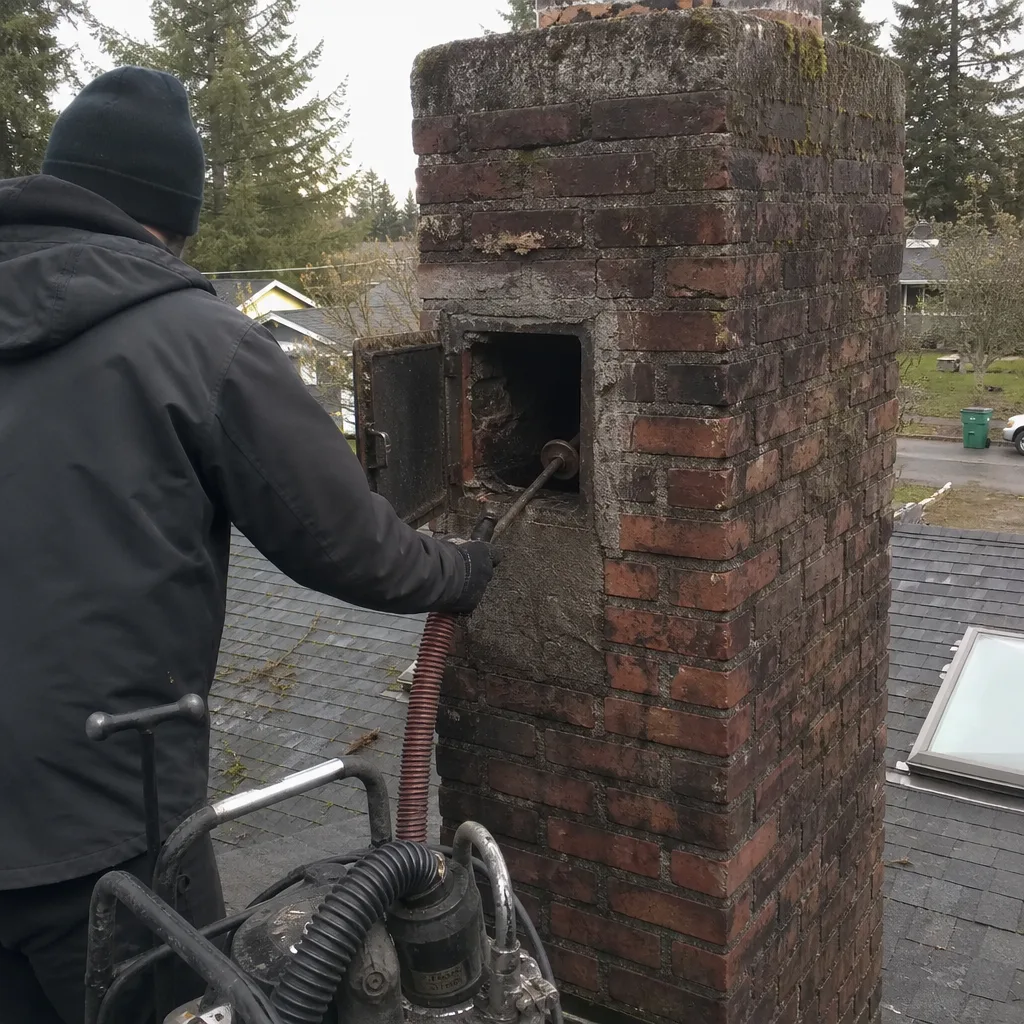 Before
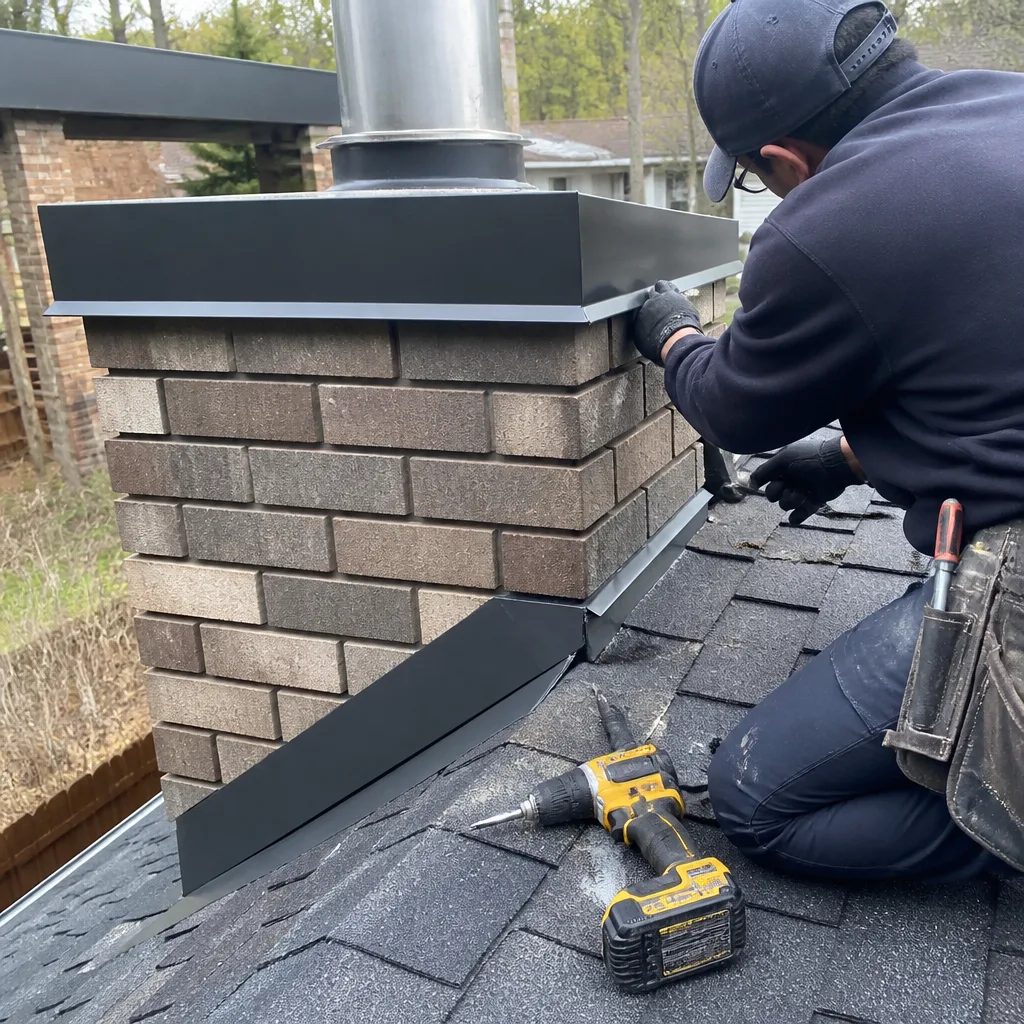 After
After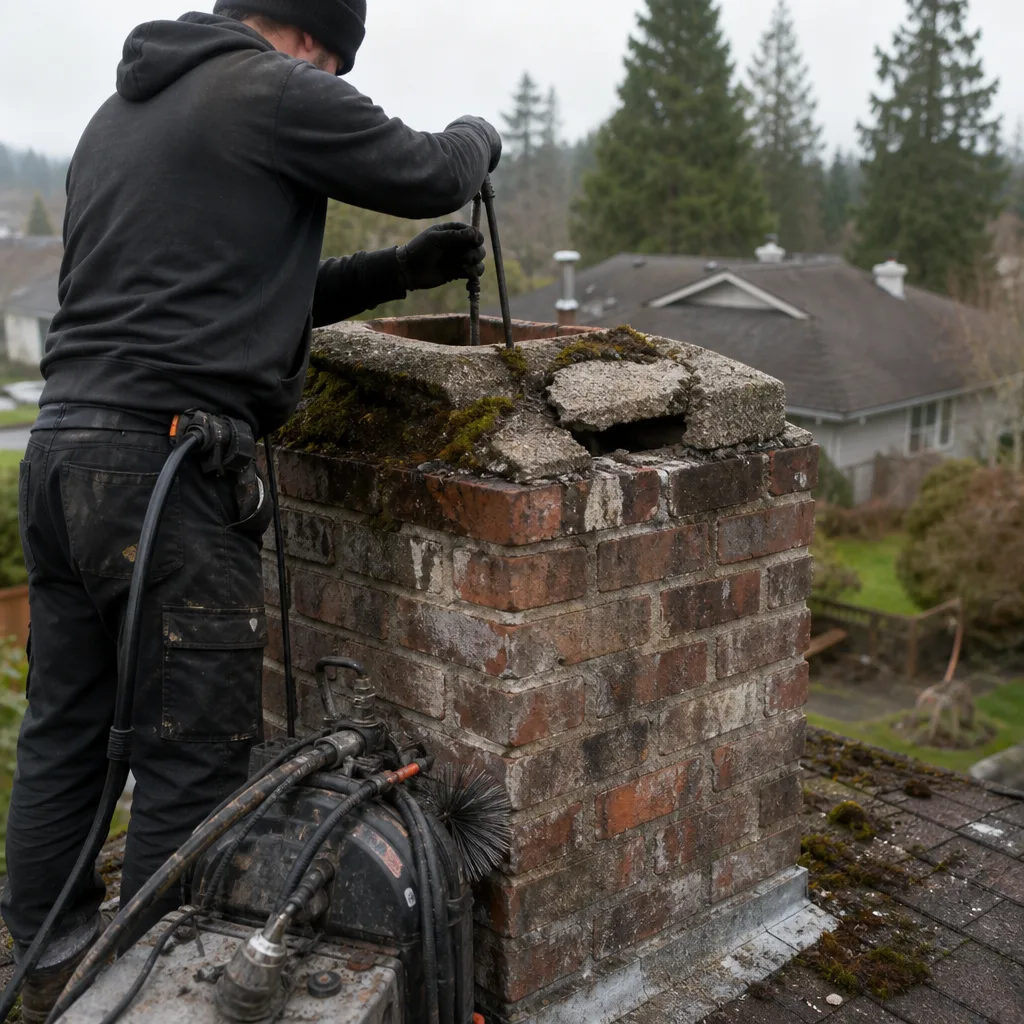 Before
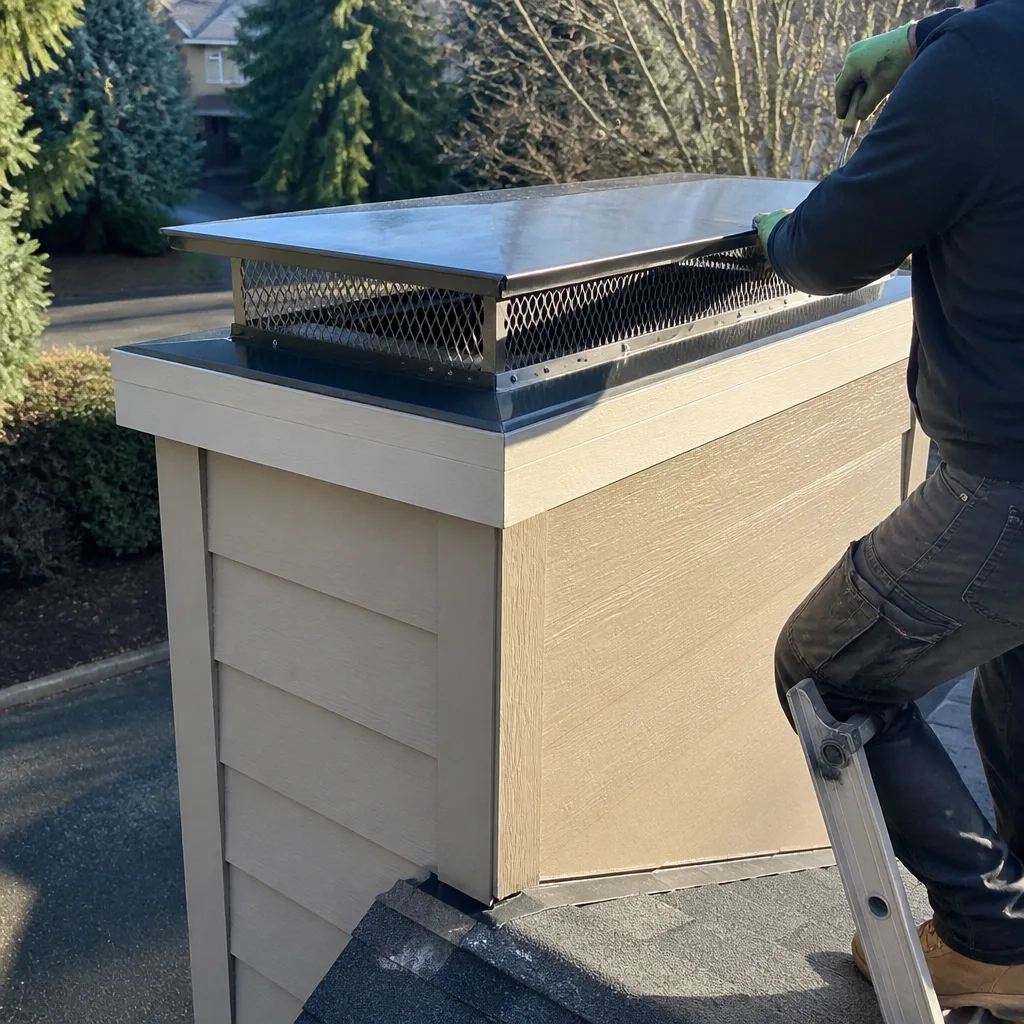 After
AfterSeasonal Chimney Cleaning Care for Puyallup: Year-Round Homeowner’s Guide
Most national chimney guides tell you to schedule your sweep in November. In Puyallup, that’s already too late. By the time the first autumn rain hits and temperatures drop, most homeowners have already lit their first fire, burning through whatever moisture, debris, or creosote buildup accumulated during our nine-month wet season. We’ve inspected more than 38,000 chimneys since 2009, and the pattern repeats every October: the emergency calls come from families who smelled smoke in the living room or noticed their damper stuck shut after months of disuse. This guide maps Puyallup’s actual climate to a maintenance calendar that protects your home, your heating budget, and your air quality through every season, with Chimney Cleaning & Sweep Maintenance Checklist for Puyallup Homeowners as a companion resource.
Quick Answer
The optimal chimney cleaning window in Puyallup runs from late August through early October, after summer moisture has dried from masonry but before the first heating fires begin. A complete seasonal cycle includes four touchpoints: pre-burn inspection and sweep in early fall, mid-winter burn-volume check, spring freeze-thaw damage assessment, and summer damper and crown verification. For details on permits and legal requirements, see our guide to Chimney Cleaning Permits, Codes & Inspections in WA: What You Need to Know. Homes burning more than three cords of seasoned wood annually need annual sweeping; lighter-use fireplaces can follow a two-year cycle with documented inspection each year.
Table of Contents
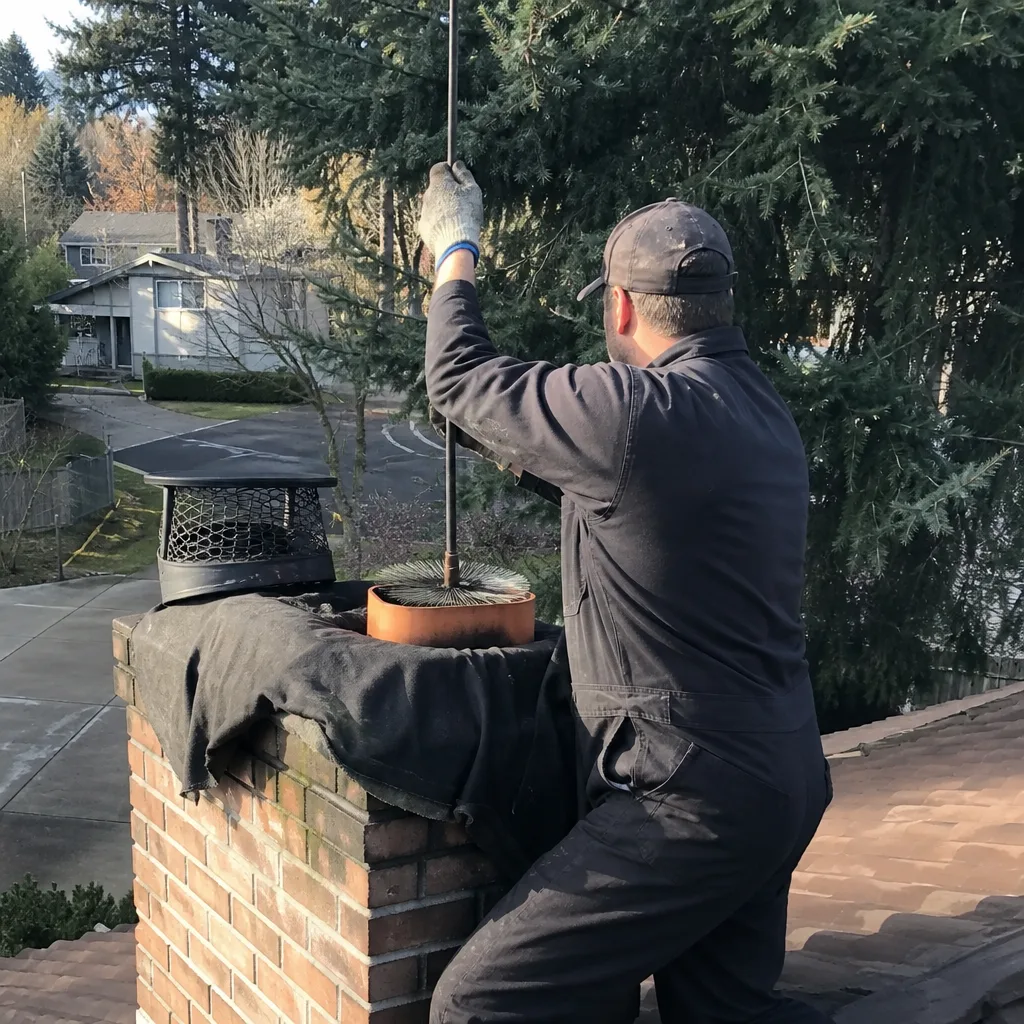
- Why Puyallup’s Fall Cleaning Window Starts in August, Not November
- How Puyallup’s Wet Winters Accelerate Dangerous Creosote Buildup
- Spring Chimney Tasks: Freeze-Thaw Damage and Organic Debris
- Summer Maintenance: Dampers, Crowns, and Cooling-Season Efficiency
- Building Your Two-Year or Annual Cleaning Schedule
- What a Camera-Scan Inspection Actually Shows You
- Common Mistakes to Avoid
- When to Call a Professional
- Frequently Asked Questions
 Before
 After
AfterWhy Puyallup’s Fall Cleaning Window Starts in August, Not November
National chimney associations publish a tidy recommendation: sweep before burn season, typically interpreted as October or November. That timeline assumes a continental climate where summer dries things out and fall arrives as a discrete event. Puyallup doesn’t work that way.
Our dry season runs roughly July through mid-September. By late August, masonry that absorbed moisture from November through June has had its best opportunity to release that vapor. The flue liner, smoke chamber walls, and firebox brick have cycled through enough warm days that accumulated humidity isn’t masking other conditions. This matters because moisture hides creosote adhesion patterns, obscures hairline cracks in terra cotta liners, and can make a dirty flue appear merely “damp” to a visual inspection.
Here’s what we see in Puyallup homes inspected in late August versus those first checked in November:
- Masonry moisture readings: Late August inspections show baseline moisture content of 8-12% in exposed brick; November readings after early rains often read 18-25%, enough to affect combustion gas condensation patterns.
- Creosote staging: Summer-dried creosote flakes away more completely during rotary sweeping. Moisture-hydrated creosote in November gums up brushes and requires more aggressive mechanical removal.
- Scheduling reality: Puyallup’s sweep companies book solid by mid-October. A late-August appointment means choice of timing, technician assignment, and no rush through the inspection.
The South Hill and Edgewood neighborhoods illustrate this well. Homes at higher elevation catch earlier fall rains and see more rapid temperature drops. We’ve found that customers in these areas who book for late August often discover minor crown cracking or cap displacement from winter wind that they’d have missed entirely if they’d waited for a “convenient” November slot.
Your pre-burn appointment should include three documented elements: a rotary sweep of the flue, a camera-scan inspection from firebox to crown (NFPA 211 Level 2), and a written scope with price for any recommended repairs before you light the first fire. Clause 4 of the Haven Standard requires that photo record on every job, and we deliver it as standard practice, not an upgrade.
Chimney Cleaning & Sweep in Puyallup covers our full sweep and inspection process if you want the technical details on what happens during that appointment.
How Puyallup’s Wet Winters Accelerate Dangerous Creosote Buildup
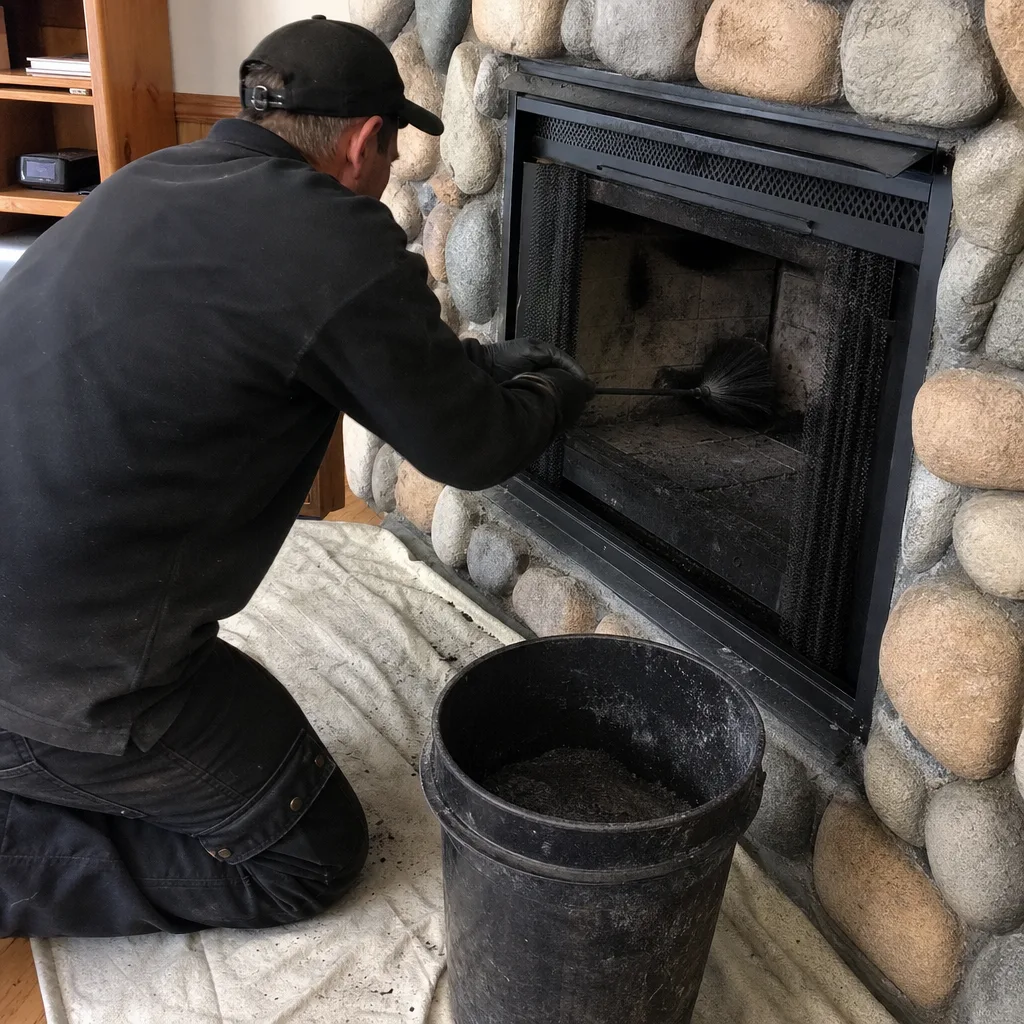
Creosote forms in three stages. Stage 1 is flaky soot, easily brushed. Stage 2 is tar-like and requires mechanical removal. Stage 3, glazed creosote, is a hardened, glossy deposit that insulates the flue, reduces draft, and ignites at lower temperatures than raw wood. In Puyallup’s climate, Stage 3 develops faster than national averages predict.
The mechanism is straightforward but poorly understood by homeowners. Our winter burn pattern involves starting cold, damp fires: the house is chilly, the firewood may not be fully seasoned after our wet autumn, and the flue itself is cold from exterior temperatures in the 40s. Incomplete combustion from these cool starts produces more volatile organic compounds. When those compounds hit the cooler upper flue walls, they condense. Puyallup’s ambient humidity, often 80-90% November through March, keeps those deposits from drying and flaking. Instead, they layer, cure, and glaze.
We’ve removed glazed creosote from Puyallup chimneys that burned fewer than two cords annually. The national assumption that light use equals light buildup doesn’t account for our moisture profile.
The inspection challenge is equally specific to our region. Glazed creosote adheres heaviest to the back wall of the smoke chamber, the area directly above the firebox where gases make their first turn toward the flue. A flashlight inspection from below, the standard “Level 1” check, sees the front face of that chamber at best. The back wall, where Stage 3 accumulates first, is invisible without a camera on a flexible rod.
In our 38,000+ inspections, we’ve documented this pattern repeatedly. A homeowner in the Summit-Waller area called us in January after a neighbor’s chimney fire. Our camera scan found 3/8-inch glazed creosote on the smoke chamber back wall that a previous company’s flashlight inspection had missed entirely six weeks prior. The flue itself was moderately dirty, nothing alarming. The hidden chamber was the hazard.
We use rotary cleaning chains and whips for Stage 3 removal, not standard poly brushes. The equipment matters, but the inspection method matters more. If your sweep isn’t running a camera through the full flue and into the smoke chamber, you’re not getting the information Puyallup’s climate demands.
Spring Chimney Tasks: Freeze-Thaw Damage and Organic Debris
January and February in Puyallup bring the freeze-thaw cycles that punish masonry. Rainwater seeps into crown cracks, mortar joints, and brick faces during our 40-degree winter rains. When temperatures drop below freezing overnight, that water expands by about 9% volume. The pressure spalls brick faces, widens mortar gaps, and propagates crown cracks that started hairline-thin.
By March, the damage is visible if you know where to look. Here’s a spring inspection checklist specific to our region:
- Check the crown from ground level with binoculars. Look for new cracking, especially at the crown’s edge where it meets the flue tile. Puyallup’s clay soils shift with winter saturation; crown separation from the flue is common by spring.
- Examine mortar joints on the exposed chimney stack. Spalling, the flaking of brick faces, shows as lighter-colored patches where the hard outer layer has popped off. Freeze-thaw is the primary cause in our climate.
- Clear the cap screen of organic debris. November through March storms deposit fir needles, maple samaras, and moss colonies on Puyallup caps. A clogged screen forces smoke backward into the home and creates a downdraft hazard.
- Verify the damper closes fully. After months of operation, creosote dust and moisture can gum the hinge mechanism. A damper that won’t seal costs you air conditioning efficiency by June.
- Inspect the firebox for white efflorescence. This powdery salt deposit indicates water migration through the back wall, common after wet winters in Puyallup homes with inadequate chimney flashing.
Spring is also when we recommend addressing any repair needs identified in your fall inspection but deferred. Crown sealing with flexible compounds like those from Gelco or Copperfield needs dry conditions and moderate temperatures to cure properly. April and May in Puyallup offer that window before the summer dry season begins.
Organic debris accumulation varies by neighborhood. Homes near the Puyallup River corridor or in the valley floor with mature Douglas fir canopy see heavier needle drop. South Hill properties at elevation catch more wind-driven debris. We source cap and screening materials through Olympia Chimney and Famco specifically for our regional debris profiles, not generic national stock.
Summer Maintenance: Dampers, Crowns, and Cooling-Season Efficiency
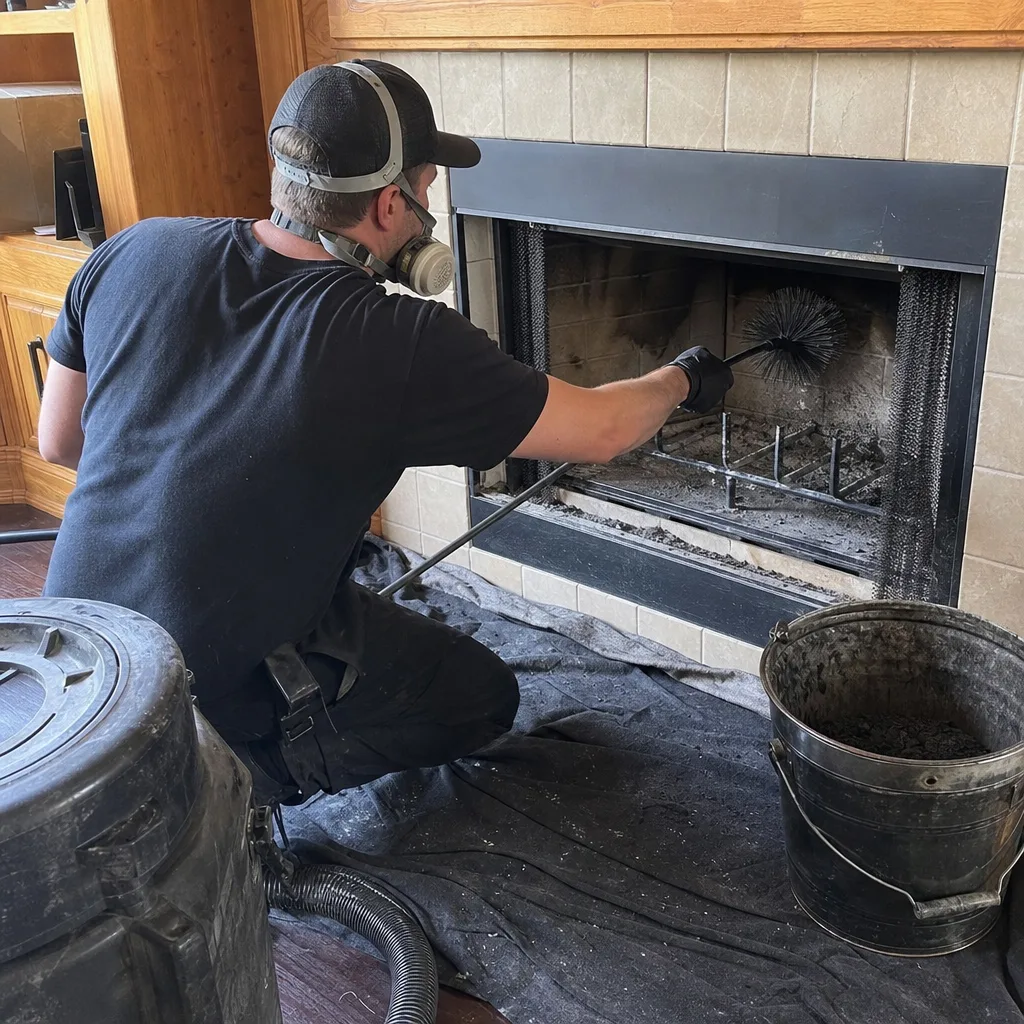
Summer chimney maintenance seems counterintuitive to many Puyallup homeowners. The fireplace hasn’t run in months. But June through August is when two critical systems need verification, and when soil conditions make certain repairs possible.
Damper seal verification. Your throat damper or top-sealing damper is the primary air barrier between your conditioned living space and the exterior stack. In Puyallup’s cooling season, an unsealed damper allows heated attic air to descend into the home or cooled air to escape upward. We’ve measured temperature differentials of 15-20 degrees at the firebox opening in July homes with failed dampers. The energy cost is modest but persistent, and the comfort impact is immediate.
Testing is simple: close the damper, hold a lit incense stick near the firebox opening, and watch for draft movement. If smoke wavers toward the flue, your seal is compromised. The fix may be as minor as hinge adjustment or as significant as a top-sealing damper replacement. We document the condition with photos and provide a written price before any work, per Haven Standard Clause 1.
Crown inspection after soil movement. Puyallup’s clay soils expand when saturated and contract during summer drying. This seasonal heaving stresses chimney foundations independently of house foundations. By late July, after the initial summer drying, crown-to-flue separation or new crown cracking often becomes visible. Early detection means sealing before autumn rains re-saturate the masonry and the cycle repeats.
Summer is also the optimal window for liner evaluation and replacement if needed. The flue is dry, access is unhurried, and materials from DuraFlex and HeatShield cure reliably in our summer temperature range. A liner installed in July is tested and documented before burn season, with no pressure to “get it done quick” because cold weather is arriving.
We also use summer appointments to update homeowner documentation. Clause 4 of the Haven Standard requires a photo record on every visit; summer is when we consolidate annual records for customers who want insurance documentation or pre-sale inspection packets. If you’re planning to list your Puyallup home, a clean chimney file with dated photos and written scope history is a genuine selling point in our disclosure-heavy market.
Building Your Two-Year or Annual Cleaning Schedule
The NFPA 211 standard recommends annual inspection for all chimneys and annual cleaning for those in regular use. “Regular use” is where Puyallup homeowners need specific guidance, not generic calendar rules.
We base frequency on actual burn volume, measured in cords of seasoned hardwood. Here’s the schedule we’ve developed from 38,000+ Puyallup inspections:
| Annual Burn Volume | Cleaning Frequency | Inspection Frequency |
|---|---|---|
| 3+ cords | Annual sweep | Annual camera scan |
| 1.5-3 cords | Every 2 years | Annual camera scan |
| Under 1.5 cords | Every 2-3 years | Annual camera scan |
| Gas insert, decorative use | As needed | Every 2 years |
A cord is a stacked volume of 128 cubic feet. Most Puyallup homeowners who burn for supplemental heat use 2-4 cords annually. Those with wood as primary heat source in older homes without ducting often exceed 5 cords and need annual sweeping without exception.
The inspection frequency stays annual regardless of cleaning schedule because our climate introduces non-combustion variables: moisture damage, cap displacement, animal intrusion, and soil movement. A clean flue with a cracked crown or failed damper is still a problem.
Your documented photo record becomes the basis for schedule decisions. When we can compare this year’s flue condition to last year’s, we can tell you with precision whether you’re trending toward more frequent buildup or holding steady. Without that record, every appointment starts from zero, and every recommendation is a guess.
For homes on the two-year cleaning cycle, we recommend the sweep fall in odd or even years consistently, timed to that late-August through early-October window. Mark your calendar now for 2025 or 2026, and book 30 days ahead. The Puyallup appointment slots fill predictably by mid-September.
Fireplace Services in Puyallup includes our full maintenance and repair offerings if your inspection reveals needs beyond sweeping.
What a Camera-Scan Inspection Actually Shows You
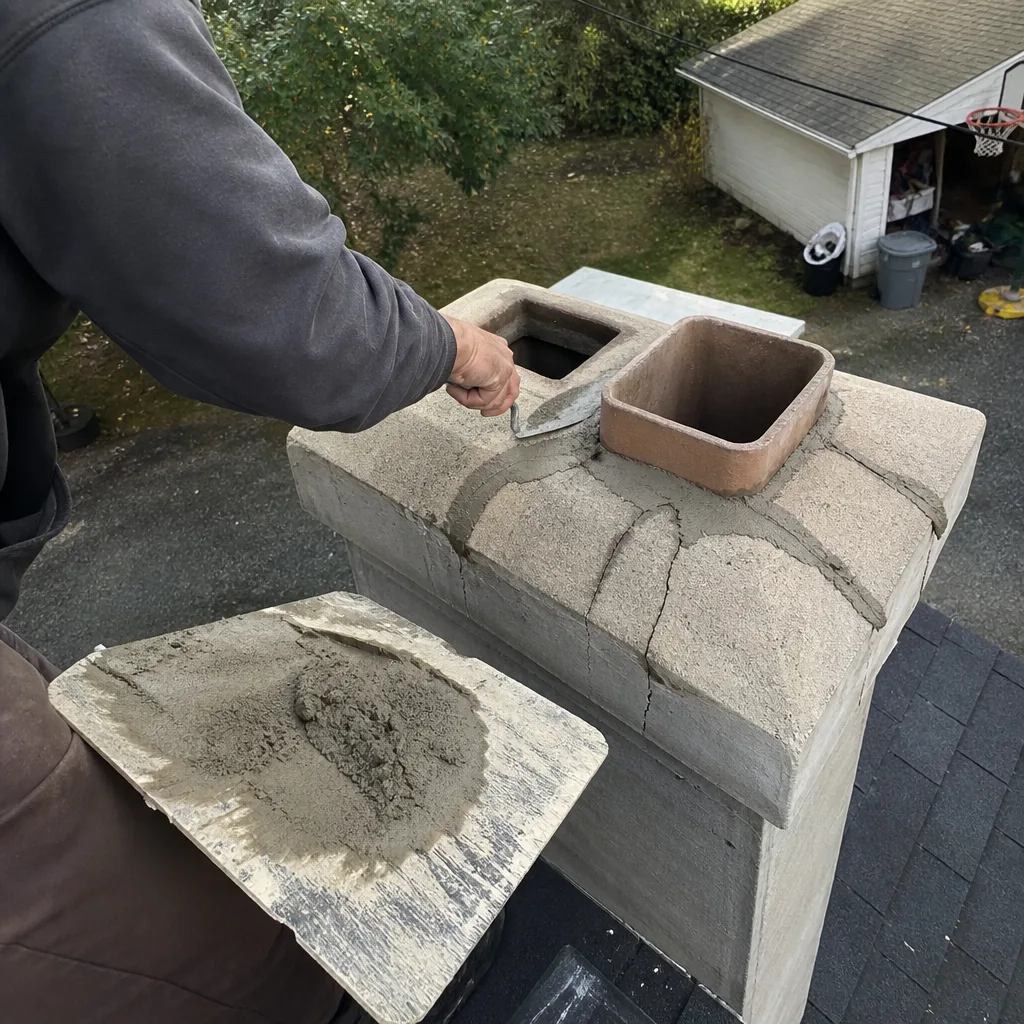
We’ve referenced camera-scan inspection throughout this guide. Here’s what that process delivers in plain terms, and why it matters for Puyallup’s specific conditions.
A Level 2 inspection under NFPA 211 requires visual examination of accessible portions of the chimney exterior, interior, and flue, using video scanning or other means of inspection where necessary. “Where necessary” in Puyallup means every inspection, every time, because our moisture-driven damage patterns aren’t visible from below.
The camera, mounted on a flexible rod, travels from the firebox up through the smoke chamber, past the damper, through the full flue length, and often into the chimney crown interior. The technician watches a live monitor and captures still images of any anomaly. You receive those images, annotated, with your written report.
Here’s what we document and what it means for your maintenance planning:
- Flue liner condition: Terra cotta tiles show vertical cracking (thermal shock), horizontal cracking (structural settlement), spalling (freeze-thaw), or shifting (soil movement). Each pattern indicates different repair urgency. We see more horizontal cracking in Puyallup’s valley floor homes with expansive soils than in bedrock areas like North Hill.
- Creosote class and thickness: Stage 1, 2, or 3, measured at multiple flue points. We note location-specific buildup patterns that indicate burning habits or draft problems.
- Smoke chamber condition: The area above the damper and below the flue entrance. Puyallup’s moisture-driven Stage 3 accumulation hides here. We also check for proper parging (smooth mortar coating) that directs smoke into the flue.
- Crown interior and flue tile interface: Water intrusion at this joint destroys liners from the top down. Summer camera scans show this clearly when winter moisture has dried.
- Obstructions and animal evidence: Bird nests, squirrel caches, and bee colonies are common in Puyallup’s tree-canopied neighborhoods. The camera finds them before smoke finds you.
The documented record, required under Haven Standard Clause 4, becomes your baseline for comparison. When we return in one or two years, we reference the same flue points, same camera angles, and show you change over time. This isn’t reassurance; it’s evidence. You see what we see, and you decide based on documentation, not pressure.
Chimney Repair in Puyallup details our repair process when inspection reveals needs beyond cleaning.
Common Mistakes to Avoid
- Waiting for November because a national guide said so. In Puyallup, November means you’re already burning, and sweep schedules are booked two weeks out. The optimal window closes by mid-October.
- Accepting a flashlight inspection as sufficient. A bright light from below cannot see the smoke chamber back wall or upper flue damage. In our moisture-heavy climate, hidden creosote and water damage are the primary hazards.
- Burning unseasoned wood from autumn deliveries. Wood cut in spring and delivered in September hasn’t dried through our wet season. Moisture content above 25% produces excessive creosote and cool flue conditions that accelerate glazing.
- Ignoring the cap after windstorms. Puyallup’s winter wind events, especially in exposed areas like South Hill, dislodge caps or flatten screens. A missing cap invites rain, debris, and animal intrusion for months before you notice.
- Assuming gas fireplaces need no inspection. Gas inserts produce corrosive condensation, and their liners deteriorate from moisture exposure just as wood flues do. The two-year inspection cycle applies.
- Deferring crown repairs until “next year.” Crown cracks widen through freeze-thaw cycles. A $400 seal in spring becomes a $2,400 crown rebuild in two years. We document the progression with photos so you can see the timeline.
- Not requesting your photo record. Some companies charge extra for documentation or don’t provide it at all. Under the Haven Standard, it’s included on every job, dated, and archived for your future reference.
When to Call a Professional
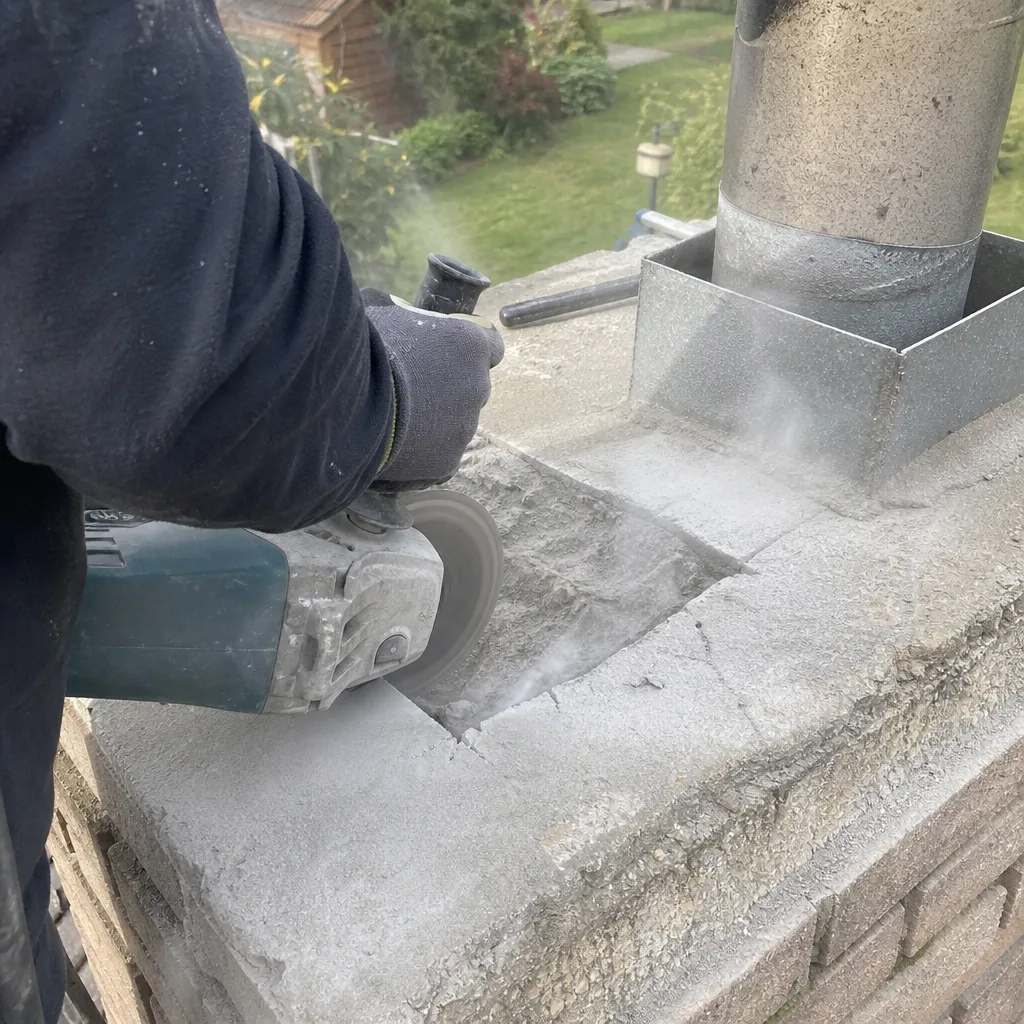
Call for inspection, not just when something’s wrong, but when the calendar says it’s time. The specific scenarios that warrant immediate professional attention in Puyallup include: smoke backup into the living space during operation; visible creosote flakes falling into the firebox; a damper that sticks, won’t open fully, or won’t seal closed; white staining or efflorescence on exterior brick; water in the firebox after rain; animal sounds or odors from the chimney; or any chimney fire event, even if it self-extinguished.
After any seismic event, including minor regional tremors, a structural inspection is prudent. Puyallup’s unreinforced masonry chimneys are vulnerable to cumulative settlement and seismic stress.
Level Two Chimney Puyallup offers free estimates in Puyallup and surrounding communities. Every estimate includes a written scope, written price, and written warranty before any work begins, per Haven Standard Clause 1. We also provide free second opinions on any competitor’s written estimate, with no obligation. Explore more guides & resources on chimney care and home maintenance. Call (253) 323-5667 to schedule, or reach our live phone support any time, day or night.
Level Two Chimney Puyallup home has our full service details and company background.
Frequently Asked Questions
A complete chimney sweep with NFPA 211 Level 2 camera-scan inspection in Puyallup typically ranges from $280 to $450, depending on flue accessibility, creosote stage, and whether the fireplace is a standard masonry unit or a manufactured insert. For a detailed breakdown of pricing factors, see our Chimney Cleaning Cost Breakdown: The Puyallup Homeowner’s Reference for 2026. We deliver a written price before any work starts, and that price includes the documented photo record required under Haven Standard Clause 4. Call (253) 323-5667 for an exact quote - estimates are free.
Homes burning more than three cords of seasoned wood annually need annual sweeping; those burning 1.5 to 3 cords can follow a two-year cycle with annual inspection; and light-use fireplaces under 1.5 cords may extend to two or three years between sweeps with yearly camera-scan inspection. Puyallup’s wet climate means inspection frequency should not drop below annual regardless of burn volume, since moisture damage, cap displacement, and animal intrusion occur independent of fireplace use.
A liner replacement should never be recommended without camera evidence you can see for yourself. We show you the cracked tile, the shifted section, or the deteriorated mortar joint on screen during the inspection, and those images go into your written report. If another company recommended a liner but didn’t provide dated photos from a camera scan, get a second opinion. We offer free second opinions on any written estimate, with no obligation, because an unnecessary liner replacement is a significant expense that should be documented, not asserted.
Skipped cleaning allows creosote to accumulate, and in Puyallup’s humid climate, that creosote progresses to glazed Stage 3 faster than in drier regions. The risks are chimney fire, from ignited creosote deposits; carbon monoxide intrusion, from blocked or damaged flues forcing exhaust into living space; and accelerated masonry deterioration, from acidic condensation on dirty flue walls. These aren’t theoretical - we’ve documented each outcome in Puyallup homes that deferred maintenance. The cost of prevention is a fraction of the cost of remediation.
We don’t recommend DIY chimney cleaning for Puyallup homeowners. The work involves working at height on steep roofs, which carries fall risk, and proper creosote removal requires rotary equipment and camera verification that most homeowners don’t own. More critically, a homeowner cannot self-inspect the smoke chamber back wall or upper flue without specialized camera equipment. You can check your damper operation, cap condition from ground level, and firebox for debris, but the sweep and inspection should be performed by a trained professional with documented methods.
Puyallup’s nine-month wet season, compressed dry-fire season, and freeze-thaw winter cycles create a maintenance profile distinct from drier continental or consistently cold climates. Summer moisture release from masonry, autumn humidity accelerating creosote glazing, winter freeze-thaw spalling, and spring organic debris accumulation each demand specific timing and inspection focus. A national guide that doesn’t account for Pacific Northwest moisture patterns will mislead Puyallup homeowners about optimal scheduling and actual risk.
The Bottom Line
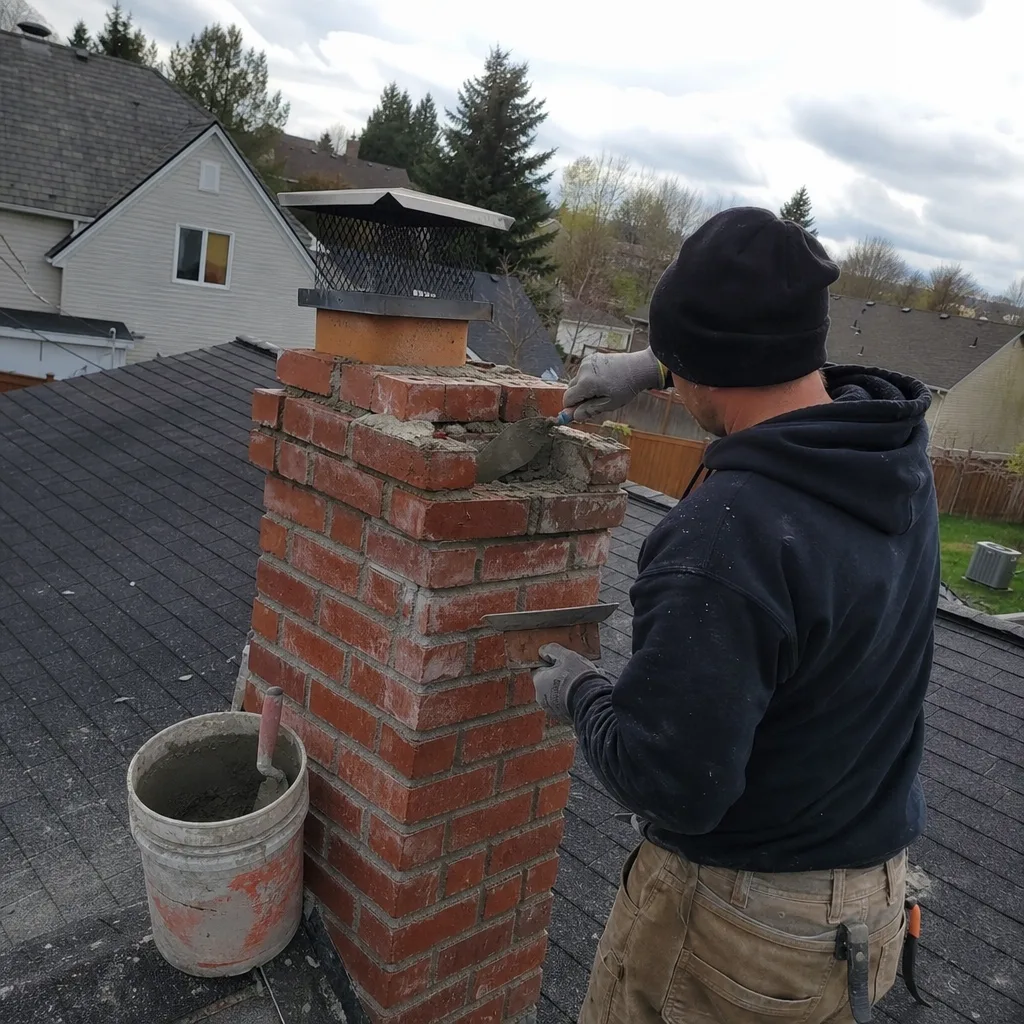
Puyallup’s climate demands a chimney maintenance calendar that starts earlier, inspects more thoroughly, and documents everything. The late-August through early-October cleaning window protects you before burn season begins. Annual camera-scan inspection catches moisture-driven damage that visual checks miss. A burn-volume-based cleaning schedule, not an arbitrary calendar date, determines sweep frequency. And every appointment should leave you with written scope, written price, written warranty, and a dated photo record you can reference next year. That’s the standard we’ve operated under since 2009, and it’s the standard your home deserves.
Ready to schedule your inspection or sweep? Call Level Two Chimney Puyallup at (253) 323-5667 for a free estimate. Our live phone support answers 24 hours a day, and we’ll deliver a written price before any work starts, backed by our 365-Day Done Right Promise.
Written by Corrine Halstead, Owner at Level Two Chimney Puyallup, serving Puyallup since 2009.