
Level 1 sweep and inspection to the NFPA 211 annual standard - flue, crown, cap, and flashing checked and photographed
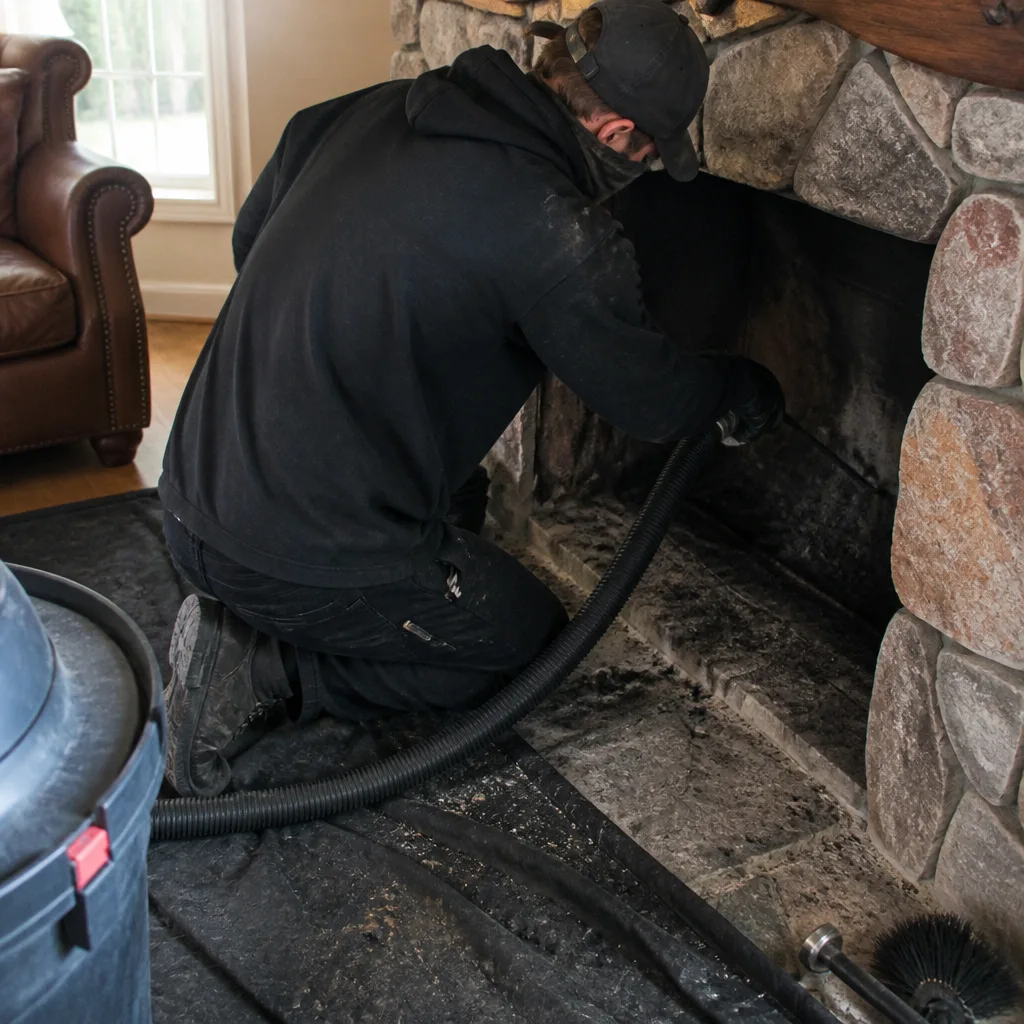
Chimney sweep logs do not sweep chimneys. They loosen some creosote - which then falls where a brush and vacuum still have to collect it.
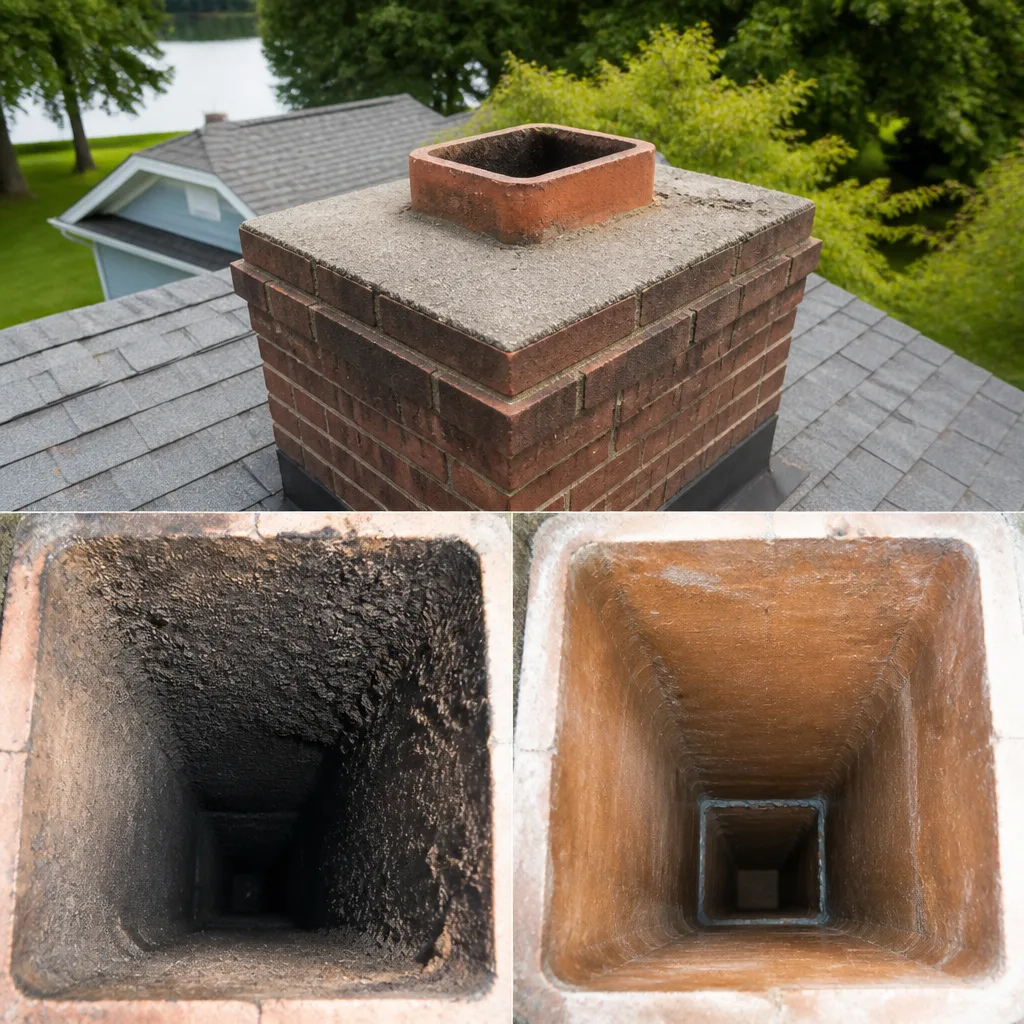
 Before
 After
After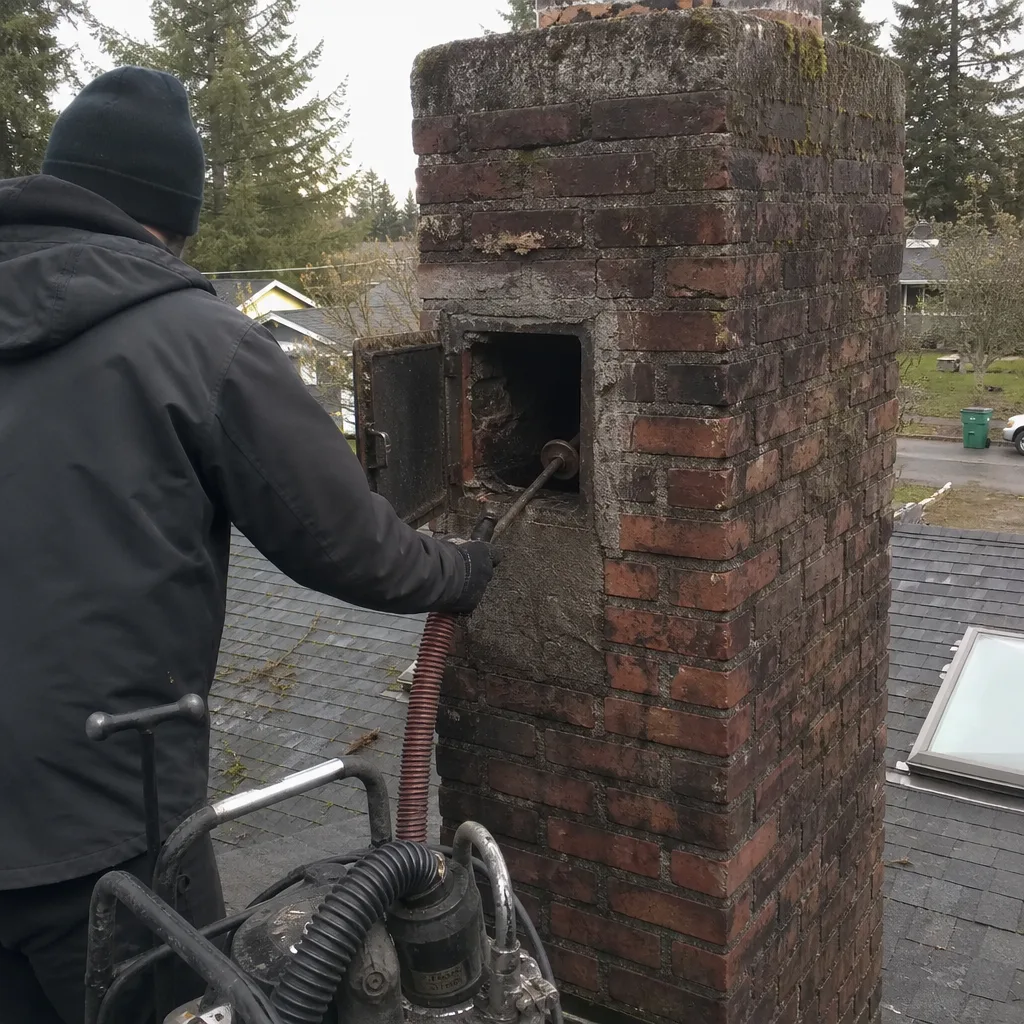 Before
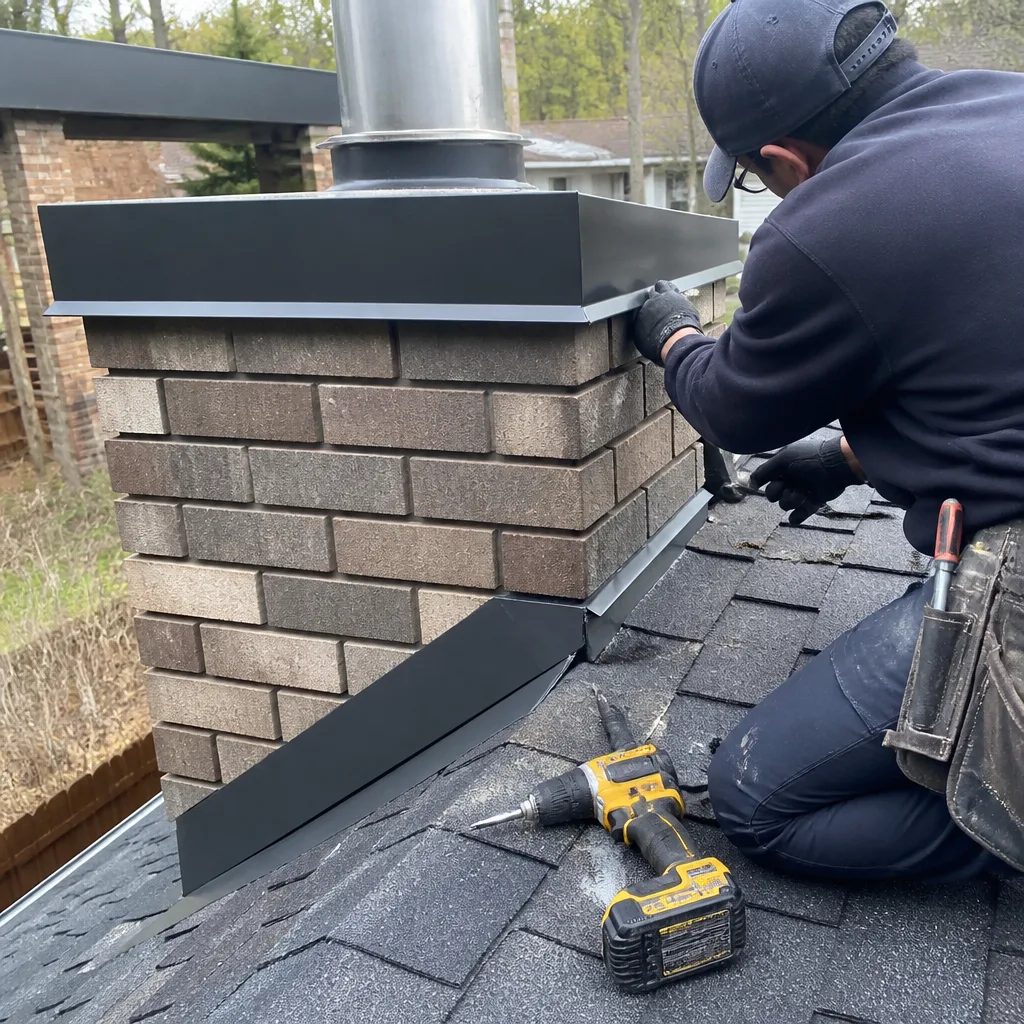 After
After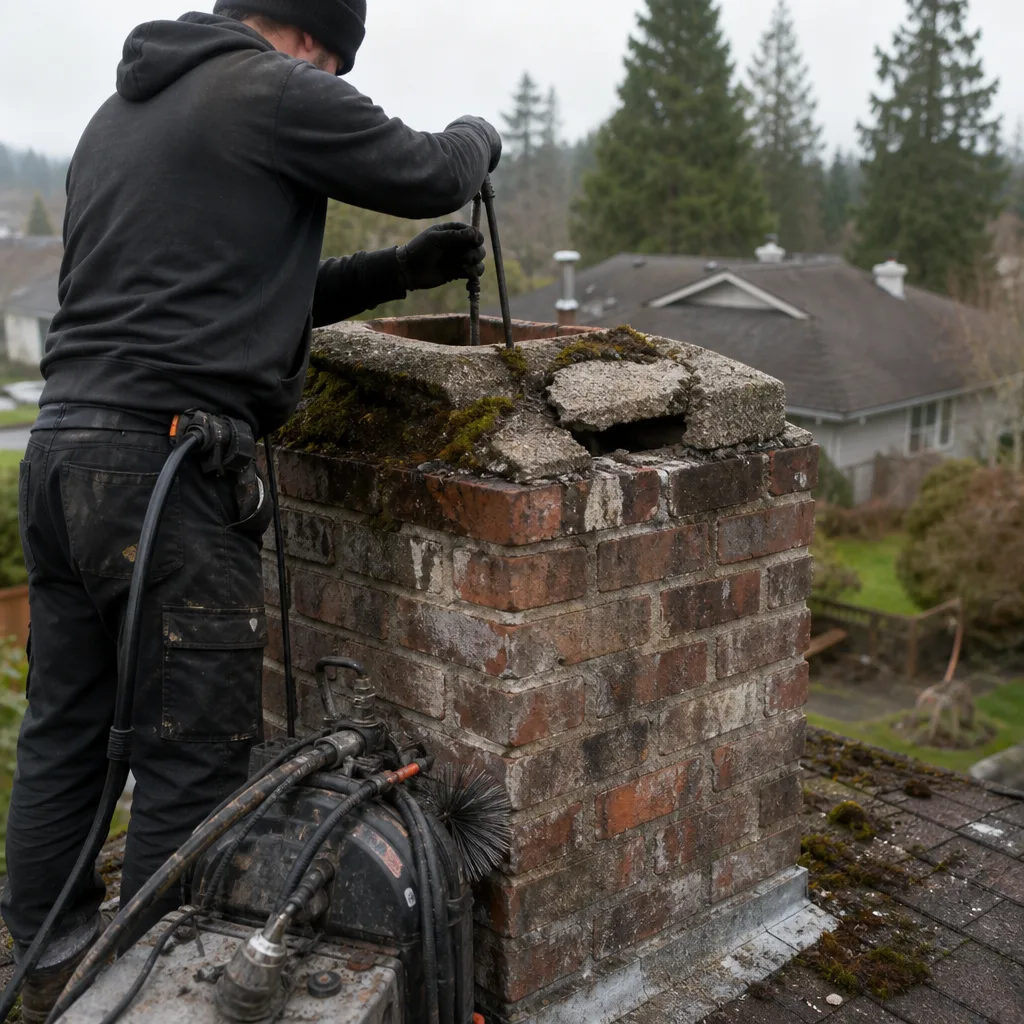 Before
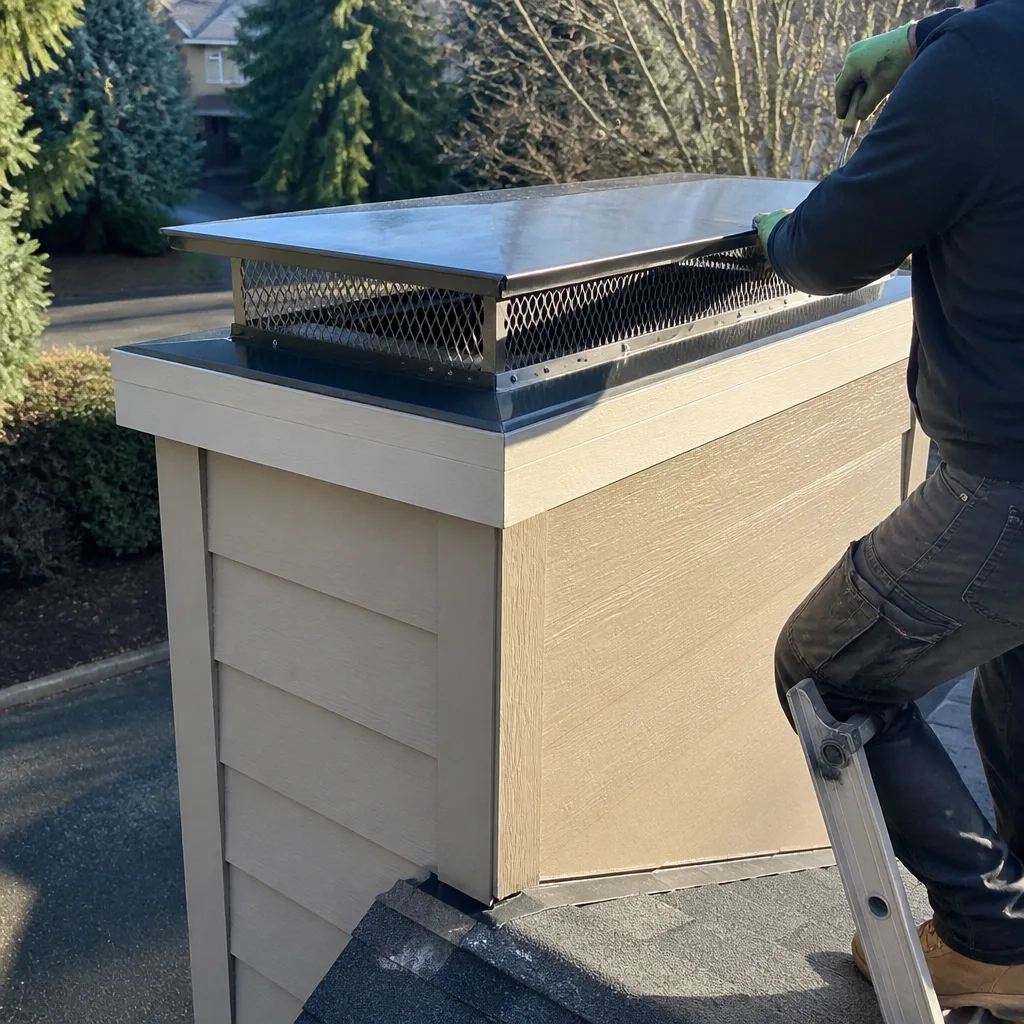 After
AfterCopperfield Crown Repair: The Puyallup Owner’s Guide
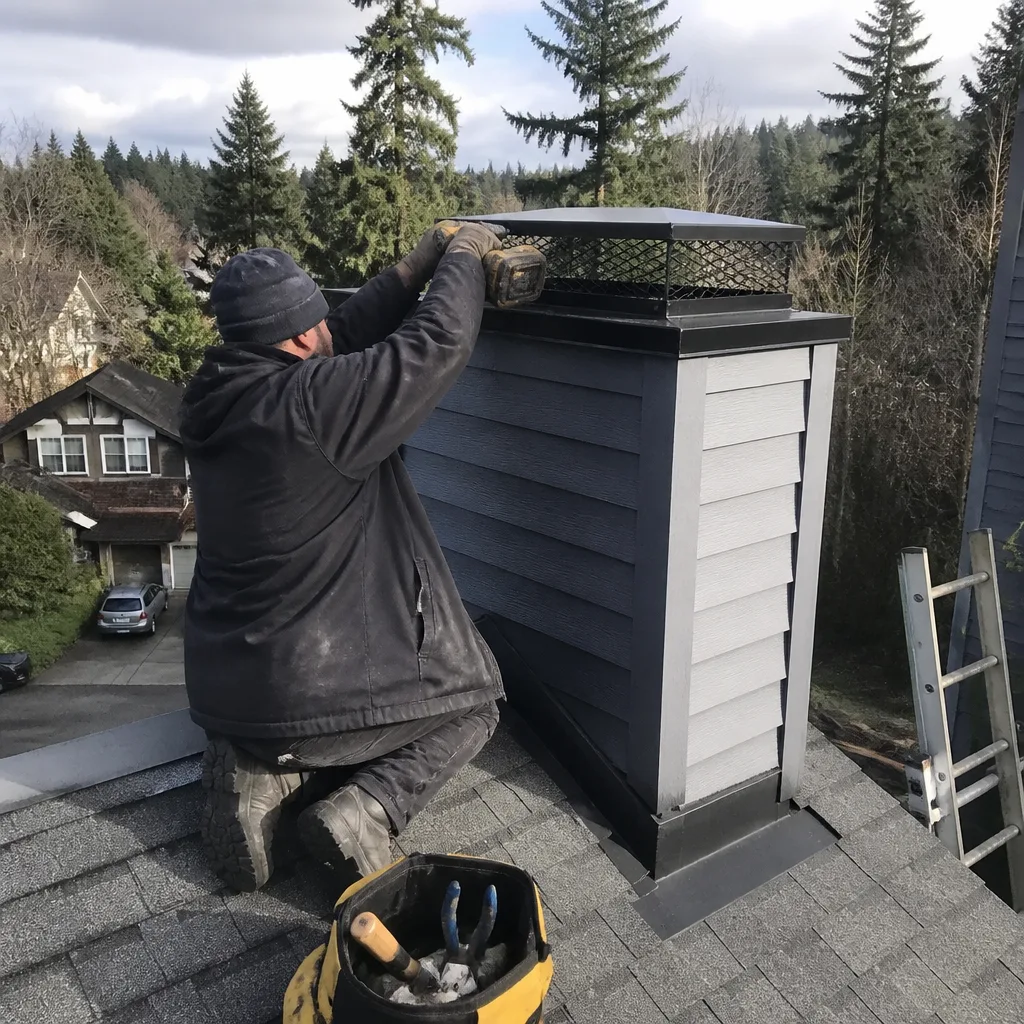
Copperfield chimney crown repair in Puyallup typically runs $340-$620 installed, depending on crown size and whether the flue tile edges need rebuilding before the new crown goes on. We stock Copperfield-compatible crown repair compounds and forms on every truck, and most jobs are completed in a single visit once the inspection is done. Most Puyallup homeowners discover the problem during a routine sweep or when they notice water stains on the firebox wall after our wet winters.
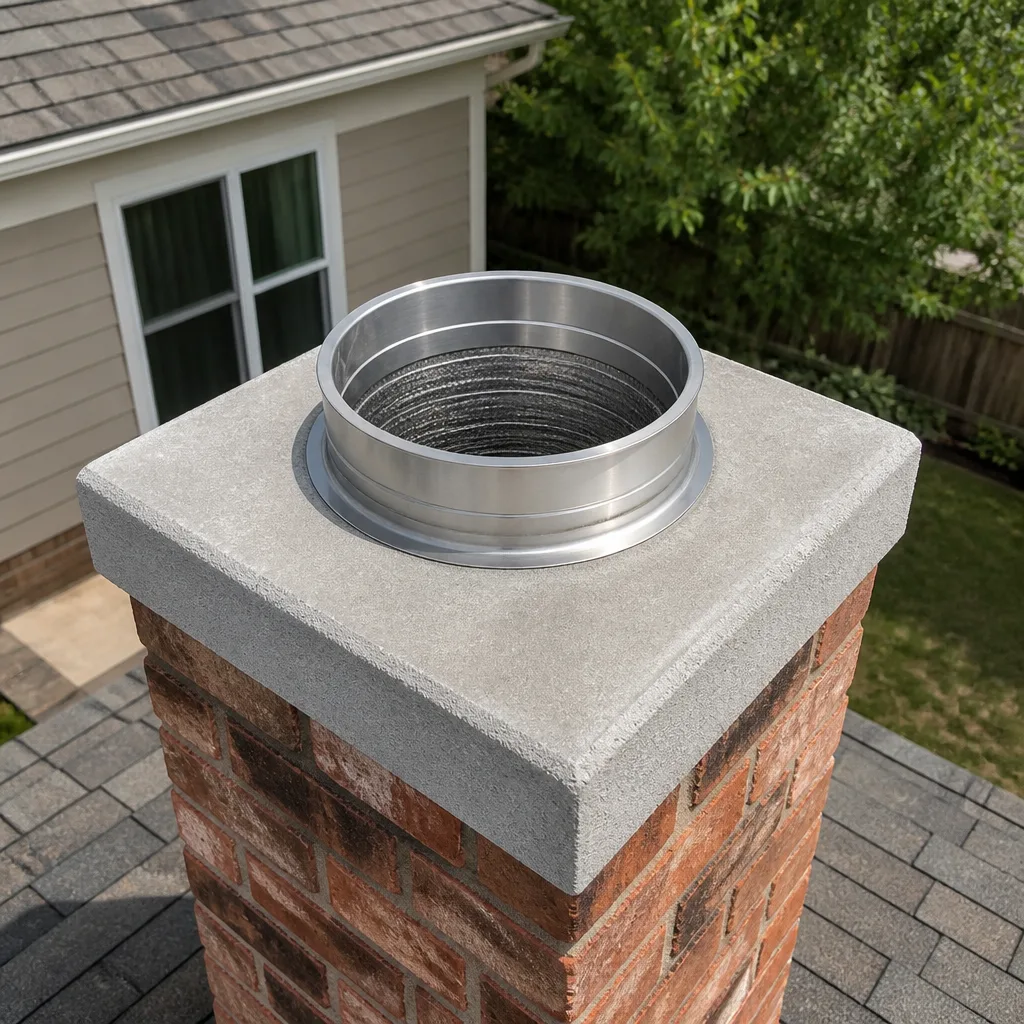
Corrine Halstead and our team have replaced crowns on Copperfield systems across the South Hill corridor and downtown Puyallup. The pattern we see: crowns poured without proper overhang or expansion joints crack within 8-12 years in Western Washington’s freeze-thaw cycle. Once water gets through, it attacks the mortar wash and the top course of brick. Camera goes in first. Price gets written down second. Work starts third.
Which Copperfield Models This Applies To
Copperfield crowns are not model-specific in the way a cap or insert is. The crown is the poured concrete or pre-formed slab that caps the chimney chase, and Copperfield’s systems use standard flue tile dimensions that the crown must accommodate. What matters is the flue tile count and spacing: single-flue, double-flue, or the less common triple-flue setups found in some Puyallup homes built during the 1980s wood-stove boom.
To identify what you need, measure the outside dimensions of your existing crown or the chimney chase top, and note the flue tile outer diameter. Standard single-flue tiles run 8×8 inches or 8×12 inches; double-flue configurations vary. Copperfield’s OEM crown forms are sized to these standards, but we also pour custom crowns using Gelco forms and HeatShield-compatible bonding agents when the chase dimensions fall outside stock sizes. The aftermarket route saves roughly $80-$140 on materials without sacrificing durability, provided the bonding agent is rated for freeze-thaw exposure. We source both options through Haven’s buying network and will show you the price difference in writing before you decide.
Signs Your Copperfield Crown Repair Is Failing
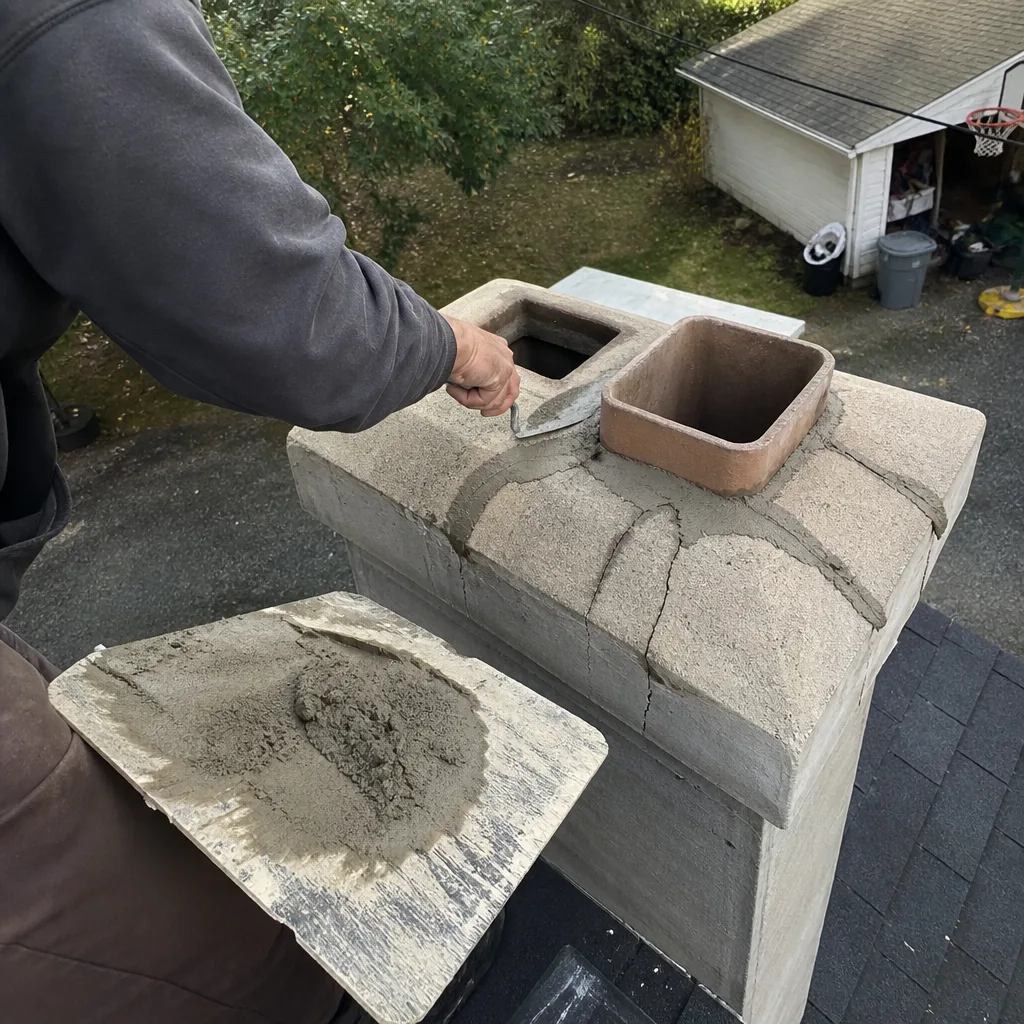
- Hairline cracks running from the flue tile to the crown edge. These form when the crown was poured without a drip edge or expansion gap around the flue. Water enters the crack, freezes overnight during Puyallup’s January cold snaps, and widens it. We see this most often on homes in the North Hill area where crowns were slapped on fast during the 1990s building rush.
- Chunks of concrete missing from the crown surface. This is spalling, caused by water saturation followed by freezing. The concrete delaminates in layers. Once the rebar or mesh inside is exposed, rust accelerates the destruction. A camera inspection will show whether water has already reached the smoke chamber below.
- Water stains or efflorescence on the firebox walls. White, powdery deposits mean water is moving through the masonry, dissolving salts, and depositing them inside. The crown is the most likely entry point, though flashing failure is a close second. We check both during our Level 2 inspection.
- Deteriorated mortar wash or missing pieces at the flue tile joint. The mortar wash is the thin seal between flue tile and crown. It fails first because it is the thinnest, most exposed layer. Copperfield systems rely on this seal to keep exhaust gases contained; once it crumbles, carbon monoxide can leak into the chase cavity.
- Sagging or separated crown edges pulling away from the brick course. This indicates the crown was poured too thin at the edges, without proper reinforcement, or the brick below has shifted. In Puyallup’s clay-heavy soils, minor chimney settlement is common; a rigid, poorly anchored crown cracks rather than flexing.
 Before
 After
AfterReplacement Cost & What’s Included
| Scope | Price Range |
|---|---|
| Crown repair with Copperfield-compatible compound (single flue, minor cracking) | $340-$450 |
| Full crown replacement, poured on-site with custom forms | $480-$620 |
| Flue tile top course rebuild (add if spalled or cracked) | $120-$180 |
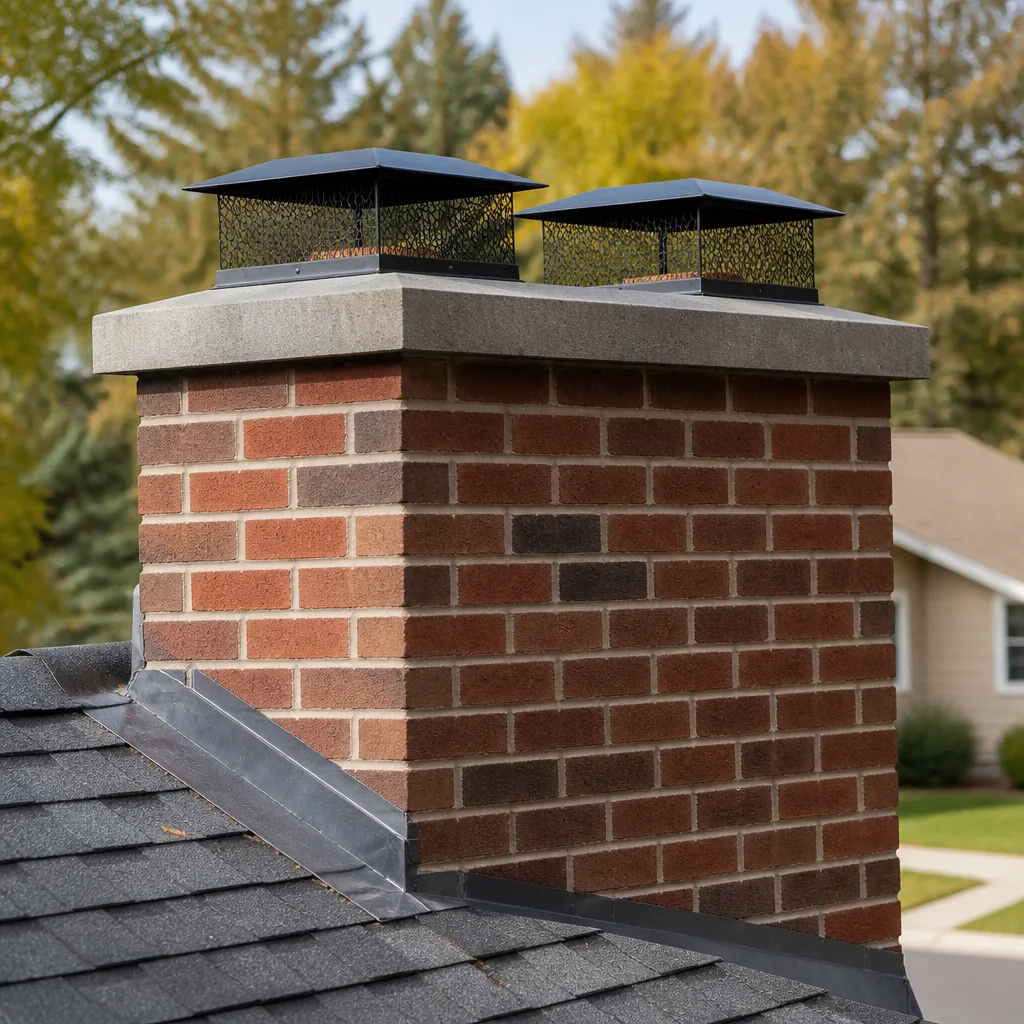
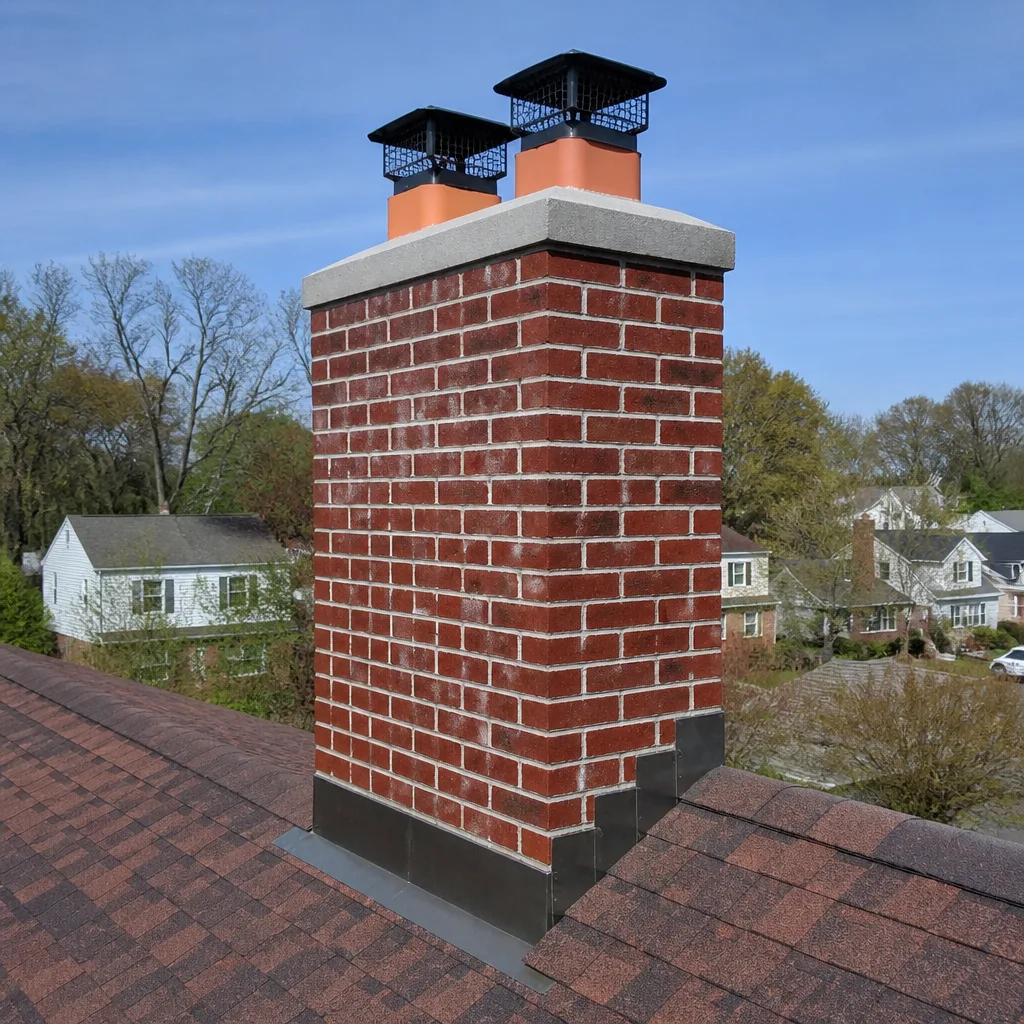
| Stainless steel chimney cap installation (recommended with new crown) | $180-$260 |
What drives the range: crown size, number of flue tiles, accessibility (steep roof pitch or tight clearance), and whether the existing crown can be resurfaced or must be removed entirely. Every quote includes the NFPA 211 Level 2 camera inspection, a written scope, and a documented photo record under Haven Standard Clause 4. The 365-Day Done Right Promise covers all crown work. Materials come from our Haven buying network, Copperfield and Gelco primarily, with no markup games.
DIY or Call Us?
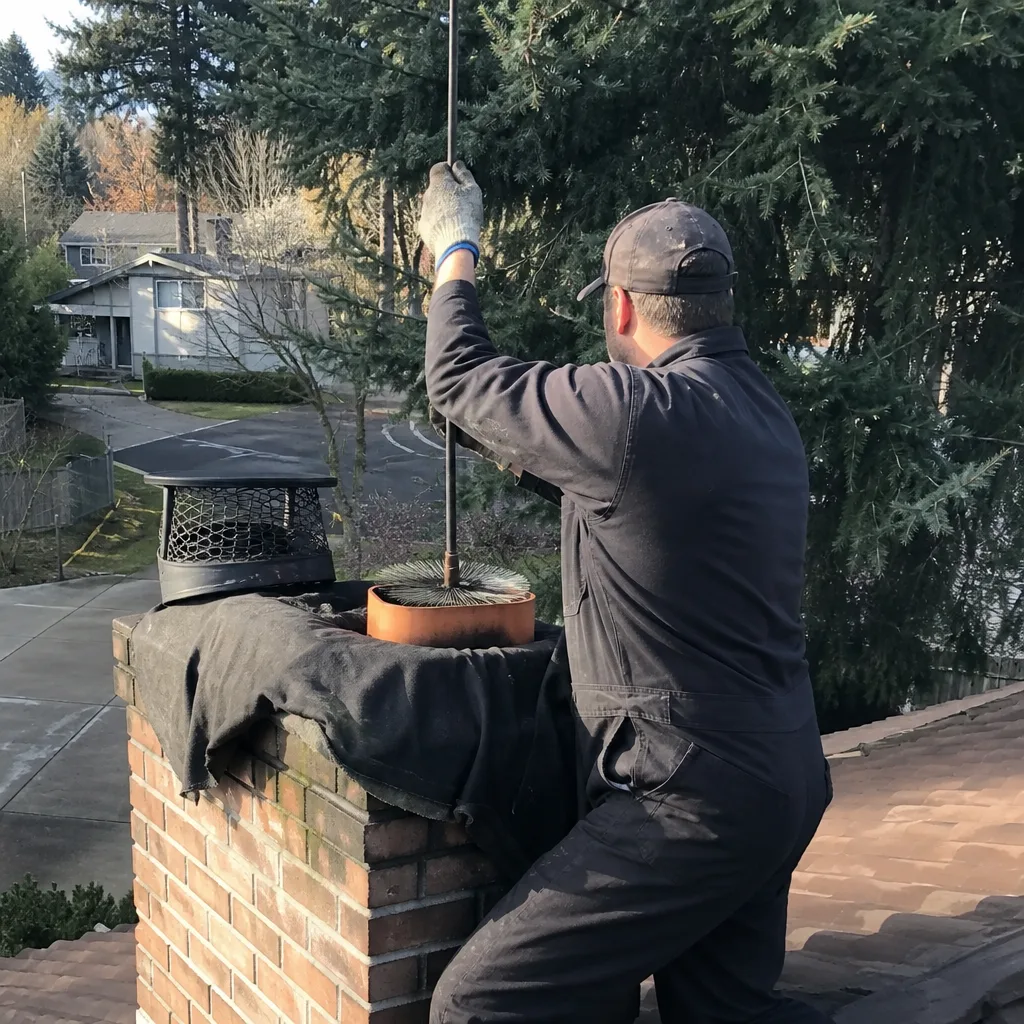
There is one thing a homeowner can safely check: stand at the chimney base with binoculars and look for visible cracks, missing chunks, or pooling water on the crown surface after rain. Document what you see. That is the limit of safe owner involvement.
Pouring or resurfacing a chimney crown requires working at height on a sloped or flat roof edge, handling bonding agents and concrete in specific ambient temperature windows, and forming proper drip edges and flue tile clearances. The fall risk is real, and a crown that sheds water wrong will destroy the chimney below it within two winters. We do not recommend DIY crown work. If you suspect failure, call (253) 323-5667. We will run the camera, write the price, and show you photos of what we found before any work begins.
FAQs
A properly poured crown with adequate overhang and expansion joints lasts 20-30 years in Western Washington’s climate. The ones we replace early almost always lacked drip edges or were poured too thin at the edges. Call (253) 323-5667 for an exact assessment of your crown’s condition.
Yes, if the cracks are surface-level, the crown thickness is still adequate, and the steel reinforcement is not exposed or rusting. We use HeatShield-compatible flexible crown repair compounds for these cases. If the crown is less than 1.5 inches thick at any point or the reinforcement is compromised, replacement is the honest recommendation. We will show you the camera footage and explain which category you are in before quoting either option.
Most crown repairs or replacements are completed in 3-5 hours of on-site work, plus cure time for the material. We do not rush cure times; a crown loaded too early cracks within the first season. We schedule the work and return if needed, at no extra charge, to verify the cure before the chimney goes back into regular use.
We stock Copperfield-compatible crown repair compounds, bonding agents, and custom forms on every service vehicle. For full crown replacements, we pour on-site to your chimney’s exact dimensions; no pre-formed stock crown fits every chase correctly. This is why we measure and quote after inspection, not before.
Written by Corrine Halstead, Owner, Level Two Chimney Puyallup at Level Two Chimney Puyallup, serving Puyallup and nearby areas.